-
 Request a Custom Quote
Don’t see what you need? We can source it. 

Ultra-Clear® Attapulgite Clarification Media for Fuels & Oils
From $17500Unit price /Unavailable-
Microsorb® Attapulgite Adsorbent & Filtration Media
From $20000Unit price /Unavailable 
Select 450 Selective Silicate Adsorbent for Oils & Biodiesel
1000.0 lb
$3,82900Unit price /Unavailable-
-
Pure-Flo® Supreme 55 Bleaching Earth for Edible Oil Refining
1000.0 lb
$1,71900Unit price /Unavailable -
Select 350 Selective Silicate Adsorbent for Oils & Biodiesel
1000.0 lb
$3,74900Unit price /Unavailable 
Pure-Flo® B80 Natural Bleaching Adsorbent High-Performance Clay for Edible Oil Refining
From $8800Unit price /Unavailable



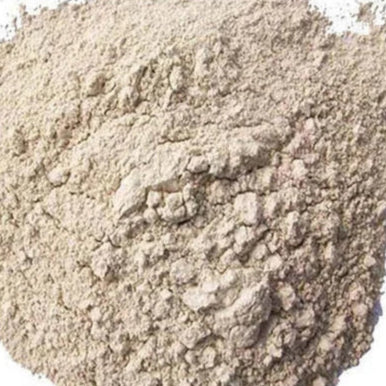

Bleaching Clay Selection & Application Guide
Bleaching clays, bleaching earths and selective mineral adsorbents are used in edible oils, renewable feedstocks, specialty fats, mineral oils and other industrial liquid-purification processes. Selection should be based on the feedstock, target contaminants, required finished-product quality, filtration behavior, product retention and total treatment economics rather than clay name or activity alone.
Quick Answer: What Is Bleaching Clay?
Bleaching clay is a mineral adsorbent used in liquid purification to reduce selected pigments, polar impurities, soaps, oxidation products, trace contaminants and other unwanted compounds. Depending on the grade and application, the material may be naturally active, acid activated or selectively processed to provide different adsorption and filtration characteristics.
For the broader process context, see Adsorbents for Oil Purification & Refining .
Start With the Purification Objective
Not every oil-treatment adsorbent performs the same function. A useful starting point is to determine whether the process primarily needs broad bleaching activity, selective contaminant reduction, or another purification mechanism.
Color & Broad Purification
Natural and activated bleaching clays are commonly evaluated where color reduction, polar-impurity adsorption and general oil purification are primary objectives.
Relevant products include Pure-Flo® B80, Pure-Flo® Supreme B81 and Pure-Flo® Supreme 55.
Soaps, Metals & Phosphorus-Related Impurities
Specialty mineral and silicate adsorbents can be selected for more targeted pretreatment where contaminants such as soaps, trace metals and phospholipid-related impurities are important to downstream processing.
Compare Pure-Flo® Select 350 and Pure-Flo® Select 450.
See our Biodiesel Feedstock Pretreatment guide for a process-specific example.
Food-Oil Bleaching & Clarification
Edible-oil processing requires balancing contaminant reduction with filtration rate, adsorbent dosage, product retention and applicable food-processing requirements.
Petroleum, Specialty Oils & Process Liquids
Other oil-treatment processes may use attapulgite, activated carbon, silica or other adsorbents when bleaching earth is not the best fit for the target contaminant.
Compare the broader treatment options in Oil Purification & Refining .
Featured Bleaching Earth & Selective Adsorbents
Sorbents Direct carries several Oil-Dri purification products that occupy different positions within the bleaching and selective-adsorbent spectrum. These products should not be assumed to be interchangeable.
Pure-Flo® B80
Naturally active bentonite bleaching earth for compatible edible-oil, fat and industrial liquid-purification applications.
View Pure-Flo® B80 →Pure-Flo® Supreme B81
Specialty bleaching-earth grade for compatible refining and purification applications where adsorption behavior, acidity, filtration and finished-product quality must be considered together.
View Pure-Flo® Supreme B81 →Pure-Flo® Supreme 55
Bleaching-earth option for compatible oil and liquid-purification processes where grade-specific adsorption and filtration performance should be evaluated against the feedstock.
View Pure-Flo® Supreme 55 →Pure-Flo® Select 350
Selective adsorbent for compatible edible-oil and renewable-feedstock pretreatment where soaps, trace metals, phospholipid-related impurities or other process-sensitive contaminants are important.
View Pure-Flo® Select 350 →Pure-Flo® Select 450
Selective purification adsorbent with particularly relevant positioning for biodiesel and renewable-feedstock pretreatment applications.
View Pure-Flo® Select 450 →Bleaching earth and selective adsorbents are related—but not the same.
B80, Supreme B81 and Supreme 55 primarily sit within the bleaching-earth and broad oil-purification branch, while Select 350 and Select 450 belong more naturally in the selective-pretreatment branch.
The right product depends on the actual feedstock, contaminants, filtration equipment, finished-product requirement and downstream process.
Bleaching Clay vs. Bleaching Earth
In industrial refining, the terms bleaching clay and bleaching earth are often used interchangeably. Both generally describe mineral-based adsorbents used during purification, bleaching and clarification.
Individual products can differ substantially in mineral composition, activation method, acidity, particle-size distribution, filtration behavior, adsorption performance, moisture, bulk density and product retention. Material selection should therefore be based on the actual grade rather than the category name alone.
Natural vs. Activated Bleaching Earth
| Material Type | General Characteristics | Typical Selection Considerations |
|---|---|---|
| Natural Bleaching Earth | Naturally occurring mineral adsorbent processed primarily through drying, sizing and related physical preparation. |
May be useful where moderate treatment activity, filtration behavior,
process compatibility and economics provide the preferred balance.
Example: Pure-Flo® B80. |
| Activated / Specialty Bleaching Earth | Clay processed to provide different surface chemistry, acidity, pore structure and adsorption characteristics. |
Commonly evaluated where stronger or different treatment behavior is
required.
Examples: Supreme B81 and Supreme 55. |
| Selective Clay / Silicate Adsorbents | Selectively processed mineral media intended for specific purification or feedstock-pretreatment objectives. |
Selected around feedstock chemistry, target contaminants and
downstream process sensitivity.
Examples: Select 350 and Select 450. |
More activation does not automatically mean better process performance.
A more active clay may improve removal of certain contaminants but can also affect filtration behavior, product retention, acidity or treatment economics. The appropriate grade is the one that delivers the required finished-product quality at an acceptable total process cost.
Common Bleaching Clay Applications
Edible Oils & Fats
Suitable bleaching-earth and selective-adsorbent grades are used to reduce pigments, residual soaps, oxidation products, trace metals, phosphorus-related impurities and other compatible contaminants before downstream finishing.
Relevant starting products include B80, Supreme B81, Supreme 55, Select 350 and Select 450, depending on the treatment objective.
Renewable Fuels & Feedstocks
Selective mineral adsorbents may be used to pretreat fats, oils, greases and other feedstocks where soaps, metals, phosphorus-related compounds or other process-sensitive contaminants need to be reduced before downstream processing.
Pure-Flo® Select 350 and Pure-Flo® Select 450 are the most relevant products in this branch.
Mineral & Specialty Oils
Bleaching earth, attapulgite and other adsorbents can support purification and polishing of compatible mineral oils, waxes and industrial oil streams where color or contaminant reduction is required.
Chemical & Specialty Processing
Mineral adsorbents can also be evaluated in compatible specialty chemical and process-liquid systems where clarification, impurity adsorption or color reduction is part of the treatment objective.
What Can Bleaching Earth Reduce?
Performance depends on the exact adsorbent and process chemistry. Depending on grade and feedstock, bleaching clays and related selective adsorbents may be evaluated for reduction of:
- Pigments and color bodies affecting finished-product appearance
- Residual soaps and phosphorus-related impurities where the selected adsorbent has suitable affinity
- Trace metals and selected ionic contaminants in compatible treatment systems
- Oxidation products and degradation compounds
- Selected polar impurities that interact with active mineral surfaces
- Entrained or suspended material where the treatment process also includes downstream filtration
No bleaching earth or selective adsorbent should be assumed to remove all of these contaminants equally. Grade selection should begin with the actual feed analysis and process target.
Bleaching Earth vs. Selective Adsorbents
| Selection Question | Traditional Bleaching Earth | Selective Mineral / Silicate Adsorbent |
|---|---|---|
| Primary treatment emphasis | Broad bleaching, color reduction and compatible polar-impurity adsorption | More targeted contaminant reduction or feedstock pretreatment |
| Representative products | B80, Supreme B81, Supreme 55 | Select 350, Select 450 |
| Typical targets | Pigments, oxidation products and selected polar contaminants | May emphasize soaps, trace metals, phosphorus-related impurities or another specific contaminant group depending on the grade |
| Primary selection basis | Finished color, contaminant reduction, dosage and filtration | Feed contaminant profile and downstream process sensitivity |
| Are they interchangeable? | No. Compare the exact product specification and validate performance in the actual feedstock and process. | |
How to Choose a Bleaching Clay or Purification Adsorbent
1. Start With the Feedstock
Identify the liquid being processed and its current condition. Vegetable oils, animal fats, renewable-fuel feedstocks, mineral oils, waxes and specialty process streams can place very different demands on an adsorbent.
2. Define the Treatment Objective
Determine what improvement is actually required: color reduction, soap reduction, trace-metal control, phosphorus-related impurity reduction, adsorption of polar compounds, oxidation-product reduction, clarification or another process target.
3. Match the Adsorbent Chemistry
Natural clay, activated or specialty bleaching earth and selective adsorbents provide different surface chemistries. Higher apparent activity is not automatically better if the material is poorly matched to the contaminant profile.
4. Evaluate Particle Size & Filtration Behavior
Particle-size distribution influences filtration rate, cake permeability, fines carryover, pressure behavior and handling. Strong adsorption performance can be offset by poor filtration or difficult solids removal.
5. Consider Product Retention & Yield
In oil and fat processing, valuable product retained in the spent filter cake can materially affect operating economics. Adsorbent dosage, particle structure, filtration conditions, viscosity and temperature all influence retention.
6. Evaluate Downstream Process Sensitivity
Renewable-fuel, biodiesel and other refining processes may have specific contaminant limits for metals, soaps, phosphorus-related compounds or other impurities. Pretreatment media should be selected around those downstream requirements.
7. Validate the Grade in the Actual Process
Representative bench or production trials are often the most reliable way to compare candidate adsorbents. Evaluate treatment performance together with dosage, filtration time, cake behavior, retained product and total process cost.
Bleaching Clay Selection at a Glance
| If Your Priority Is... | Evaluate... | Possible Starting Products |
|---|---|---|
| Broad bleaching / color reduction | Adsorbent affinity, treatment activity, dosage, filtration and finished color target | B80, Supreme B81, Supreme 55 |
| Polar-impurity reduction | Surface chemistry, activation level, feed composition and competing contaminants | Grade dependent; compare B80, B81 and Supreme 55 against the actual process |
| Soap / metal / phosphorus-related reduction | Selective adsorbent chemistry and downstream process sensitivity | Select 350, Select 450 |
| Biodiesel / renewable-feedstock pretreatment | Feed contaminant profile, soaps, metals, phosphorus-related impurities and downstream requirements | Select 350, Select 450 |
| Fast filtration | Particle-size distribution, cake permeability, filter type, viscosity and pressure | Compare actual grade filtration behavior rather than assuming one product family is always faster |
| Lower product retention | Grade structure, dosage, cake behavior, viscosity and temperature | Bench or production comparison recommended |
| Replacing an existing grade | Current product specification, dosage, filtration and demonstrated finished-product performance | Match from the actual current product rather than category name alone |
Process Economics Matter as Much as Adsorption
The lowest adsorbent price per pound or the strongest apparent bleaching activity does not necessarily produce the lowest treatment cost.
| Economic Variable | Why It Matters |
|---|---|
| Adsorbent dosage | Determines media consumption and directly affects spent-cake volume |
| Filtration rate | Influences throughput, cycle time and equipment productivity |
| Product retention | Oil or product trapped in spent adsorbent can materially affect yield |
| Finished quality | The adsorbent must meet the actual process specification, not simply maximize contaminant removal |
| Spent-media handling | Cake volume, disposal, labor and handling influence total treatment economics |
Questions to Answer Before Selecting a Grade
- What liquid or feedstock are you treating?
- Which specific contaminants need to be reduced?
- What finished-product specification must be reached?
- What bleaching clay or adsorbent are you currently using?
- What dosage is currently required?
- What are the process temperature and contact time?
- What filtration equipment is being used?
- Are filtration rate or product retention current pain points?
- Are soaps, metals or phosphorus-related contaminants important?
- What documentation or analytical requirements apply?
- What quantity and packaging format do you require?
Frequently Asked Questions
What is bleaching earth used for?
Bleaching earth is used during compatible liquid purification and refining to reduce selected pigments, polar impurities, oxidation products, trace contaminants and other unwanted compounds.
Is bleaching earth the same as bleaching clay?
The terms are commonly used interchangeably in industrial processing. Individual grades, however, can differ considerably in mineralogy, activation method, surface chemistry, particle size, filtration performance and adsorption behavior.
What is activated bleaching earth?
Activated bleaching earth is mineral clay that has been processed to modify its surface characteristics and adsorption behavior. The exact manufacturing method and resulting properties vary by product.
Is activated bleaching earth always better than natural clay?
No. Stronger adsorption activity may be useful for certain feeds and contaminants, while a natural or less aggressively processed grade may provide better filtration, product retention or economics in another process.
What is the difference between B80, B81 and Supreme 55?
All three belong within the bleaching-earth and oil-purification family, but they should not be assumed to be interchangeable. Compare the exact manufacturer specification, mineral processing, activity, acidity, particle-size distribution, filtration behavior and demonstrated performance in the actual feedstock.
What is the difference between bleaching earth and a selective adsorbent?
Traditional bleaching earth is generally selected for broader purification, color reduction and adsorption of compatible polar impurities. Products such as Select 350 and Select 450 are more naturally positioned as selective adsorbents for targeted feedstock pretreatment.
Can bleaching clay be used for edible-oil refining?
Suitable bleaching-earth grades are widely used in edible-oil processing. The exact grade should be selected according to feedstock, purification objective, filtration system and applicable food-processing requirements. See our Edible Oil Refining guide for additional process guidance.
What adsorbents are used for biodiesel feedstock pretreatment?
Selective adsorbents such as Pure-Flo® Select 350 and Pure-Flo® Select 450 may be evaluated where soaps, trace metals, phospholipid-related impurities or other downstream-sensitive contaminants need to be reduced. See Adsorbents for Biodiesel Feedstock Pretreatment .
How do I compare two bleaching clay grades?
Compare more than color-removal performance. Useful evaluation points include contaminant reduction, dosage, filtration rate, filter-cake behavior, product retention, finished quality, documentation and total treatment cost.
What information is useful when requesting a recommendation?
Provide the feedstock, target contaminants, current adsorbent if applicable, process temperature, contact time, filtration method, current dosage, finished-product requirement, quantity and relevant documentation needs.
Related Oil-Purification Resources
Oil Purification & Refining
Compare clay, attapulgite, activated carbon, silica and other adsorbents across industrial oil-treatment processes.
Edible Oil Refining
Review bleaching-earth selection specifically for edible oils and fats, including filtration and product-retention considerations.
Biodiesel Feedstock Pretreatment
Compare selective adsorbents such as Select 350 and Select 450 where soaps, metals and phosphorus-related impurities are important to downstream processing.
Clay & Mineral Adsorbents
Explore the broader industrial-clay category, including attapulgite, bentonite and other specialty mineral adsorbents.
Related Sorbent & Filtration Materials
Depending on the treatment objective, bleaching clay may be used alongside or compared with other purification and filtration media:
- Clay & Mineral Adsorbents
- Filtration & Flow-Aid Media
- Activated Carbon
- Silica & Silica-Based Media
- Bulk Industrial Adsorbents & Filtration Media
Need Help Comparing Bleaching Earth or Selective Adsorbent Grades?
Send us the current material, manufacturer and grade if known, feedstock, target contaminants, process conditions, filtration setup, required quantity and destination. We can help narrow practical starting options across B80, Supreme B81, Supreme 55, Select 350, Select 450 and related purification media.
Product suitability should be confirmed against the actual feedstock, process and required finished-product specifications. General application guidance does not replace grade-specific manufacturer data or representative process validation.


