
-
 Request a Custom Quote
Don’t see what you need? We can source it. 
CHROMATOCEL® S-200 Silica Gel for Chromatography & Purification
1102.0 lb
$6,25000Unit price /Unavailable-
-
-
SILIPORITE® NK 30 AP 3A Molecular Sieve Powder
From $3,70000Unit price /Unavailable -
DYNOCEL® 900 Activated Alumina for Process Purification
From $5,84900Unit price /Unavailable 
CHROMATOCEL® S-060 Silica Gel for Chromatography & Purification
From $62500Unit price /Unavailable
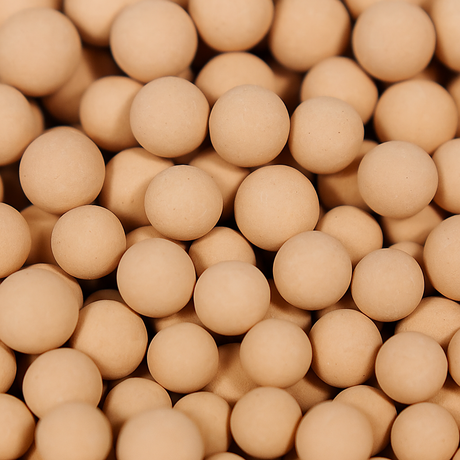
4A 8×12 Molecular Sieve Desiccant for Gas & Liquid Drying
From $45100Unit price /Unavailable-
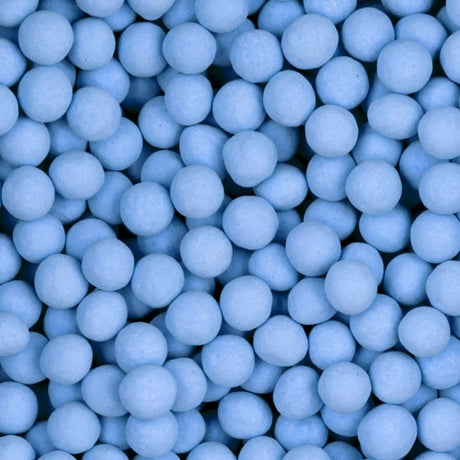
4A 4×8 Blue Indicating Molecular Sieve Desiccant
From $1,88700Unit price /Unavailable -
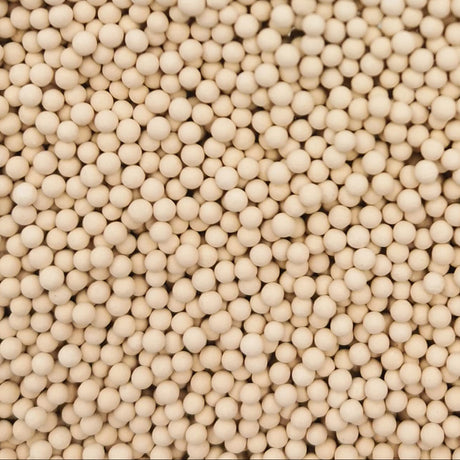
3A 8x12 Molecular Sieve Desiccant High-Performance Zeolite for Industrial Drying
From $46200Unit price /Unavailable 
13X 4×8 Molecular Sieve for CO₂ & Gas Purification
From $48200Unit price /Unavailable
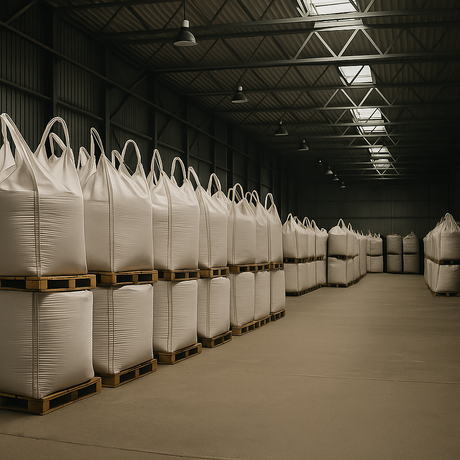


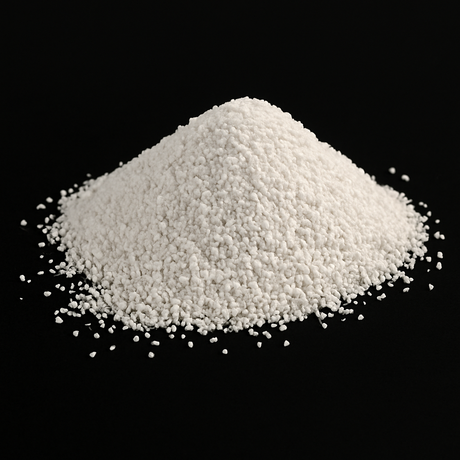

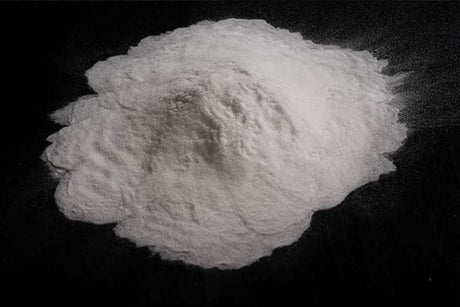

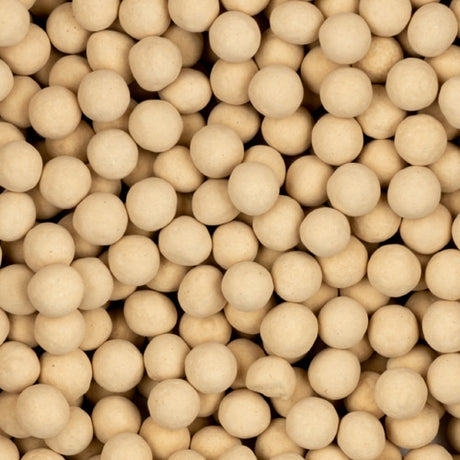




Industrial Adsorbents for Drying & Dehydration
Industrial drying and dehydration use porous adsorbents to remove water from gases, compressed air, solvents, fuels, and other process streams. Molecular sieves, activated alumina, silica gel, and related desiccants offer different moisture capacities, selectivities, regeneration characteristics, and operating ranges.
Selecting the right drying media depends on the starting moisture level, required outlet specification, temperature, pressure, flow rate, composition of the stream, and whether the adsorbent will be regenerated or replaced after use.
Drying & Dehydration Adsorbent Comparison
| Material | Primary Strength | Common Applications | Key Selection Factors |
|---|---|---|---|
| 3A Molecular Sieve | Selective adsorption of water while excluding many larger molecules | Ethanol dehydration, solvent drying, process liquids and gas streams | Water selectivity, particle form, operating temperature and regeneration |
| 4A Molecular Sieve | General-purpose molecular adsorption with strong affinity for water | Air and gas drying, sealed systems and process dehydration | Stream composition, competing molecules, pore accessibility and regeneration |
| 5A Molecular Sieve | Water adsorption plus selective adsorption of certain larger molecules | Gas purification, separation and specialized drying systems | Target molecules, pore size, pressure, temperature and process objective |
| 13X Molecular Sieve | Larger pore structure for broader adsorption and gas purification | Gas drying, purification, CO₂ removal and separation processes | Contaminant profile, adsorption selectivity, cycle design and regeneration |
| Activated Alumina | Durable, regenerable water adsorption in packed beds | Compressed air, process gas and industrial dryer systems | Inlet moisture, outlet dew point, particle size, pressure drop and regeneration |
| Silica Gel | General moisture adsorption across a broad humidity range | Air drying, equipment protection and suitable process applications | Relative humidity, temperature, particle size and required final moisture |
Common Industrial Drying Applications
Compressed Air Drying
Activated alumina and molecular sieves are commonly used in adsorption dryers to remove water vapor from compressed air before it reaches pneumatic equipment, instrumentation, processing systems, or other moisture-sensitive operations.
Industrial Gas Drying
Adsorbent beds can reduce moisture in natural gas, hydrogen, nitrogen, oxygen, and other process gases. Required outlet moisture or dew point helps determine the appropriate adsorbent and bed design.
Solvent Dehydration
Molecular sieves are used to remove residual water from compatible solvents where distillation alone may be inefficient or unable to achieve the required final moisture specification.
Ethanol Dehydration
3A molecular sieve is widely used for ethanol dehydration because its pore structure preferentially adsorbs water while excluding ethanol molecules, making it useful for producing low-water ethanol after distillation.
Fuel & Hydrocarbon Drying
Compatible molecular sieve and adsorbent systems can remove residual water from hydrocarbon and fuel streams where moisture may interfere with downstream processing, storage, or product specifications.
Process Stream Purification
Drying is often one step within a broader purification train. Adsorbents may be selected to remove water before catalysts, membranes, separation equipment, or other moisture-sensitive downstream operations.
Molecular Sieve vs. Activated Alumina for Drying
Molecular sieves and activated alumina can both remove water, but their adsorption behavior is different. Activated alumina is a durable general-purpose desiccant commonly used in compressed-air and gas dryers. Molecular sieves have uniform crystalline pores and strong water affinity, making them especially useful when selective adsorption or very low residual moisture is required.
The better choice depends on the required outlet condition, stream composition, temperature, pressure, regeneration system, and economics of the drying cycle.
How Adsorption Drying Works
Adsorption dryers pass a moisture-containing stream across a porous solid with an affinity for water. Water molecules migrate into the adsorbent pore structure and are retained on internal surfaces while the dried stream continues through the bed.
As adsorption sites become occupied, the bed eventually approaches breakthrough and must be regenerated or replaced. Industrial systems commonly use multiple vessels so one bed can remain in drying service while another is regenerated.
Because these materials primarily adsorb water onto their internal surfaces rather than simply absorb it into their bulk volume, adsorption behavior and pore structure are central to media selection.
Learn more in our Adsorption vs. Absorption guide.
How to Select a Drying Adsorbent
1. Identify the Stream Being Dried
Start with the composition of the gas, liquid, solvent, or fuel. Molecular size and polarity matter because some adsorbents can retain compounds other than water.
2. Define Inlet Moisture
Determine the amount of water entering the system. Depending on the application, this may be expressed as relative humidity, ppm water, water concentration, or inlet dew point.
3. Establish the Required Outlet Moisture
The required final specification is one of the most important selection criteria. General moisture reduction and deep dehydration to a very low dew point may require different adsorbents or system designs.
4. Evaluate Temperature & Pressure
Adsorption capacity and equilibrium change with operating conditions. Higher temperatures generally reduce water adsorption capacity, while pressure can strongly influence gas-phase drying behavior.
5. Select Particle Size & Form
Beads, pellets, granules, and powders serve different equipment configurations. Particle size affects pressure drop, mass-transfer rate, mechanical durability, dust generation, and usable bed capacity.
6. Determine Regeneration Requirements
Regenerable drying systems must account for desorption temperature, purge gas, pressure cycling, heating and cooling time, and allowable cycle duration. The regeneration method can significantly influence which adsorbent is practical.
Choosing the Right Molecular Sieve Pore Size
Molecular sieves are not interchangeable simply because they all adsorb water. Their effective pore openings determine which molecules can enter the crystalline adsorption structure.
Selective Water Removal
Commonly used where water should be adsorbed while larger molecules are excluded, including ethanol and compatible solvent dehydration.
General Drying
A common general-purpose molecular sieve for water adsorption in suitable gases and process streams.
Drying & Separation
Provides a larger effective pore opening than 4A and can be used where adsorption of additional molecular species is desirable.
Gas Purification
Larger-pore molecular sieve used for broader adsorption, drying, and selected gas-purification applications.
For a deeper comparison, see our 3A vs. 4A vs. 5A Molecular Sieve guide.
Regeneration & Adsorbent Service Life
Many industrial drying adsorbents can be regenerated by reducing pressure, increasing temperature, passing a dry purge stream through the bed, or using a combination of these methods.
Service life is not determined by water capacity alone. Contaminants, liquid carryover, dust, hydrocarbons, thermal cycling, attrition, inadequate regeneration, and repeated exposure to unsuitable compounds can gradually reduce usable adsorption capacity.
Proper pretreatment and regeneration conditions can therefore be as important as selecting the initial adsorbent.
Drying & Dehydration vs. General Moisture Control
Process drying and dehydration generally involve removing water from a continuously flowing gas, solvent, fuel, or other process stream to meet a defined moisture specification.
General moisture control more often involves managing humidity in packaging, storage, enclosed equipment, or other environments over time.
If your application is primarily packaging, shipping, storage, or environmental humidity protection, see our Moisture Control & Industrial Desiccants collection.
Frequently Asked Questions
What is the best desiccant for industrial gas drying?
The appropriate material depends on inlet moisture, required outlet dew point, gas composition, temperature, pressure, and regeneration method. Activated alumina and molecular sieves are both commonly used in industrial gas-drying systems.
What molecular sieve is used for ethanol dehydration?
3A molecular sieve is commonly used for ethanol dehydration because its pore structure allows water molecules to enter while excluding the larger ethanol molecules.
Can molecular sieves dry solvents?
Yes. Molecular sieves are widely used to remove residual water from compatible solvents. The appropriate sieve type depends on the solvent molecule, water concentration, required final moisture level, and process conditions.
Can activated alumina be regenerated?
Yes. Activated alumina used in industrial drying systems can typically be regenerated under suitable thermal or pressure-swing conditions. Exact regeneration requirements depend on the grade and system design.
What is dew point in compressed-air drying?
Dew point is the temperature at which water vapor in a gas begins to condense under specified conditions. A lower dew point indicates a drier gas stream and is commonly used to define compressed-air and process-gas drying requirements.
What determines adsorbent bed size?
Bed sizing depends on factors including flow rate, inlet water loading, required outlet moisture, adsorption capacity under actual operating conditions, allowable cycle time, superficial velocity, pressure drop, vessel geometry, and regeneration strategy.
Bulk Drying Adsorbents & Technical Support
Sorbents Direct supplies molecular sieves, activated alumina, silica-based adsorbents, and related materials for industrial drying, dehydration, purification, and separation applications.
For process-specific recommendations, provide the stream being dried, inlet moisture, required outlet specification, temperature, pressure, flow rate, existing media or equipment, regeneration method, and required quantity when available.
Need Help Selecting Drying Media?
Send us your process conditions and drying target. We can help narrow the appropriate adsorbent family, molecular sieve pore size, particle form, and available bulk grades.


