
-
 Request a Custom Quote
Don’t see what you need? We can source it. -

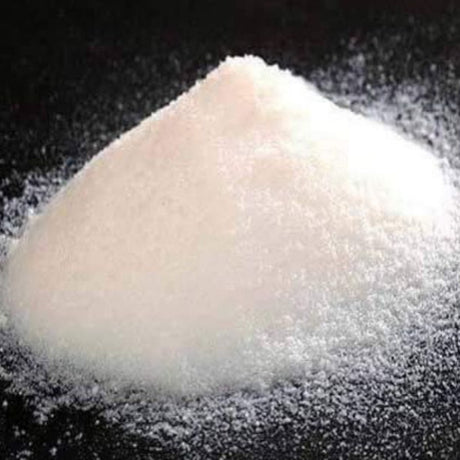
Tixosil® 68B FCC Precipitated Silica for Food & Powder Flow
27.55 lb
$15625Unit price /Unavailable -
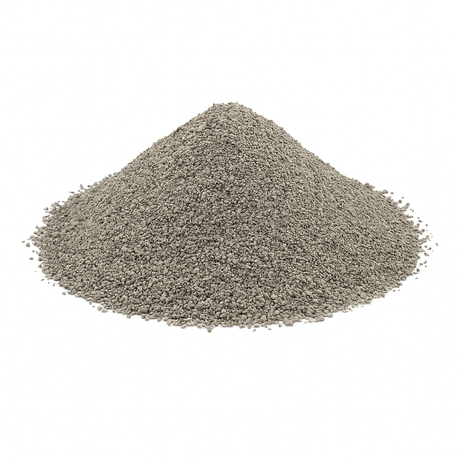
Microsorb® Attapulgite Adsorbent & Filtration Media
From $20000Unit price /Unavailable 

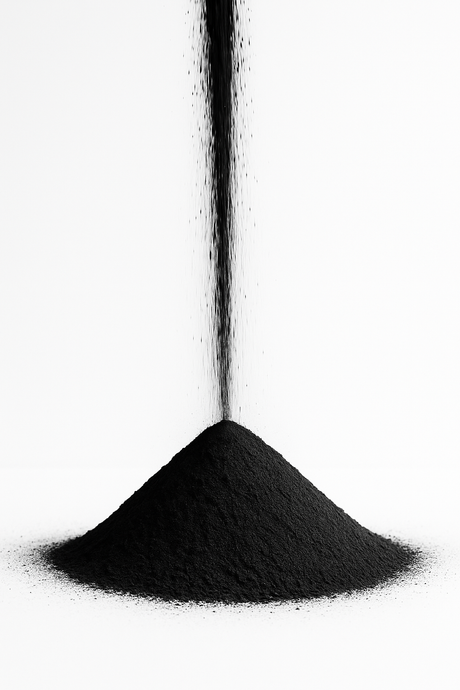
Food-Grade Coconut Shell Powdered Activated Carbon (PAC) - 80x325 Mesh, Acid-Washed
From $28098Unit price /Unavailable




Sorbents & Functional Minerals for Cosmetics & Personal Care
Porous minerals and specialty sorbents can perform several functions in cosmetic and personal-care formulations, including oil absorption, liquid carrying, powder-flow modification, texture control, and formulation support. Common material families include precipitated silica, selected clays, alumina, and other engineered mineral products.
Performance and suitability are highly grade-specific. Particle size, surface chemistry, absorption capacity, bulk density, purity, regulatory status, and compatibility with the finished formulation should all be evaluated before selecting a material.
Common Cosmetic & Personal Care Applications
Oil & Liquid Absorption
Porous silica and selected mineral materials can absorb oils or other compatible liquids, helping manage surface feel, formulation handling, or conversion of liquid components into dry powders.
Powder Flow & Handling
Fine mineral materials may help reduce cohesion or improve handling in dry powders and blends where the individual grade is compatible with the formulation.
Carrier Functionality
Porous materials can support dispersion of fragrances, oils, actives, or other components by providing surface area and internal pore volume for loading.
Texture & Sensory Modification
Particle morphology, size, porosity, and surface characteristics can influence slip, powder feel, spreadability, and other physical properties of compatible formulations.
Moisture Management
Certain porous mineral materials may help manage localized moisture or humidity effects in dry formulations, although this should not be confused with preservation or microbiological control.
Process & Formulation Support
Functional minerals may also support blending, filling, dispersion, or other manufacturing operations depending on particle characteristics and finished-product requirements.
Cosmetic Sorbent Selection at a Glance
| If You Need To... | Start By Evaluating... | Important Variables |
|---|---|---|
| Increase oil or liquid uptake | Appropriate precipitated silica or porous mineral carrier | Absorption capacity, pore volume, loading level, texture and compatibility |
| Improve powder handling | Fine silica or other suitable mineral additive | Particle size, dosage, bulk density, flow behavior and dusting |
| Carry a fragrance, oil or active | Porous silica or application-specific carrier | Loading capacity, surface chemistry, release behavior and formulation stability |
| Modify texture or sensory feel | Grade-specific silica or specialty mineral | Particle morphology, size distribution, absorption and finished-product feel |
| Meet cosmetic or personal-care requirements | Individually qualified product grade | Specification, purity, regulatory status, documentation and intended use |
Precipitated Silica in Cosmetic & Personal Care Formulation
Precipitated silica is available in a wide range of particle structures, surface areas, pore volumes, absorption capacities, and bulk densities. These differences allow individual grades to perform very different roles in formulations.
Depending on the grade, precipitated silica may be evaluated for oil absorption, liquid carrying, powder handling, anti-caking, texture modification, or other physical formulation functions.
Selecting silica by chemical name alone is not sufficient. Two precipitated silica products can behave differently because of differences in pore structure, particle morphology, surface chemistry, moisture, and manufacturing specification.
Browse our Silica & Silica Gel collection for additional silica materials.
Cosmetic-Grade, Food-Grade & Industrial-Grade Are Not Interchangeable
A material being suitable for food, pharmaceutical, or industrial processing does not automatically establish suitability for a cosmetic or personal-care formulation.
Purity limits, manufacturing controls, regulatory status, microbiological requirements, documentation, and intended-use restrictions can differ by market and product grade.
Qualification should therefore be based on the current specification and manufacturer documentation for the exact product rather than the general chemical family.
Oil Absorption vs. Moisture Control
| Function | What It Means | Relevant Material Properties |
|---|---|---|
| Oil Absorption | Taking up oils or other compatible liquid components into a porous material | Pore volume, absorption value, surface chemistry and particle structure |
| Moisture Adsorption | Attracting and retaining water from a formulation or surrounding environment | Surface chemistry, pore structure, relative humidity and equilibrium capacity |
| Carrier Loading | Holding another liquid or component while maintaining usable powder characteristics | Loading capacity, bulk density, flow, porosity and compatibility |
| Texture Modification | Changing the physical feel, spread, or handling of a formulation | Particle size, morphology, porosity and concentration |
Carrier Materials for Personal-Care Formulations
Porous carrier materials can be used to load liquid components onto a dry substrate, support dispersion through a blend, or change the handling characteristics of a formulation.
Practical carrier performance depends on more than surface area. Liquid absorption, pore volume, particle size, bulk density, flowability, chemical compatibility, and the required loading level should all be considered.
Visit our Carrier & Substrate Materials collection for additional guidance on carrier selection.
How to Select a Cosmetic or Personal-Care Sorbent
1. Define the Functional Objective
Determine whether the material is intended to absorb oil, carry a liquid, improve powder handling, modify texture, manage moisture, or provide another physical function.
2. Identify the Formulation Type
Dry powders, pressed products, emulsions, creams, gels, liquids, and other product forms place different demands on particle size, porosity, dispersibility, and compatibility.
3. Compare Particle Characteristics
Particle size and morphology can influence texture, dusting, blend uniformity, dispersibility, appearance, flow, and processing behavior.
4. Evaluate Absorption & Loading
When the material is functioning as an absorbent or carrier, determine the practical loading required while maintaining acceptable flow, texture, stability, and processing characteristics.
5. Check Formulation Compatibility
Evaluate interactions with oils, water, surfactants, solvents, fragrances, actives, pigments, preservatives, and other formulation components under actual use conditions.
6. Verify Grade & Documentation
Confirm that the exact product grade meets the purity, regulatory, documentation, and intended-use requirements for the finished product and target market.
7. Validate in the Finished Formula
Laboratory testing should confirm loading, dispersion, texture, stability, appearance, processing behavior, and other relevant finished-product performance before scale-up.
Frequently Asked Questions About Cosmetic Sorbents
What sorbents are used in cosmetics?
Depending on the formulation, materials such as precipitated silica, selected clays, alumina, and other porous minerals may be evaluated for absorption, carrier, flow, or texture-related functions.
Why is silica used in personal-care formulations?
Appropriate silica grades may provide oil absorption, liquid carrying, powder-flow modification, texture adjustment, or other physical functions depending on their particle and pore characteristics.
Is precipitated silica the same as silica gel?
No. Although both are forms of silicon dioxide, their manufacturing methods, pore structures, particle characteristics, and intended applications can differ substantially.
Can clay be used in cosmetic formulations?
Certain clay grades are used in cosmetic and personal-care products, but suitability depends on mineral type, purity, particle characteristics, processing, regulatory status, and the specifications of the individual grade.
Does an absorbent prevent microbial growth?
Not necessarily. Moisture absorption and microbiological preservation are different functions. A sorbent should not be treated as a replacement for an appropriately designed preservation system unless specifically validated for that purpose.
Is food-grade material automatically cosmetic grade?
No. Food suitability does not automatically establish suitability for cosmetic use. The exact grade and its applicable specifications and documentation should be evaluated for the intended market.
Is higher surface area always better?
No. Surface area is only one property. Pore structure, absorption capacity, particle size, morphology, bulk density, chemistry, compatibility, and required formulation behavior can be equally important.
Bulk Minerals & Sorbents for Cosmetic Manufacturing
Sorbents Direct supplies silica and specialty mineral materials in commercial and bulk quantities for formulation development, manufacturing, carrier, absorption, and related process applications.
When requesting a product recommendation, provide the intended function, formulation type, current material if applicable, desired particle or absorption characteristics, required quantity, and any purity or regulatory specifications.
Need Help Selecting a Formulation Sorbent?
Tell us the function you're trying to achieve, your formulation type, current material if applicable, required quantity, and any grade or documentation requirements. We'll help narrow relevant material families and available grades.


