-
 Request a Custom Quote
Don’t see what you need? We can source it. -

Coal-Based Granular Activated Carbon (GAC) – 8x30 & 12x40 Mesh
From $17098Unit price /Unavailable 
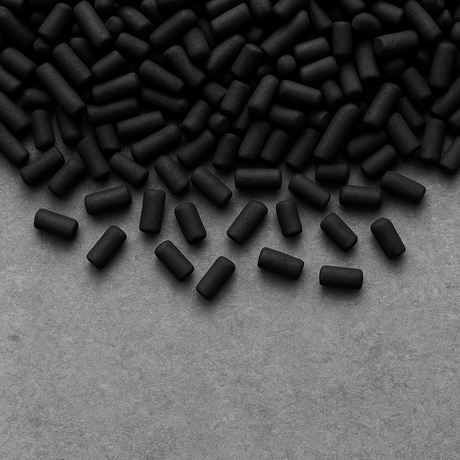
4 mm Pelletized Activated Carbon - VOC & Industrial Air Treatment
From $21598Unit price /Unavailable

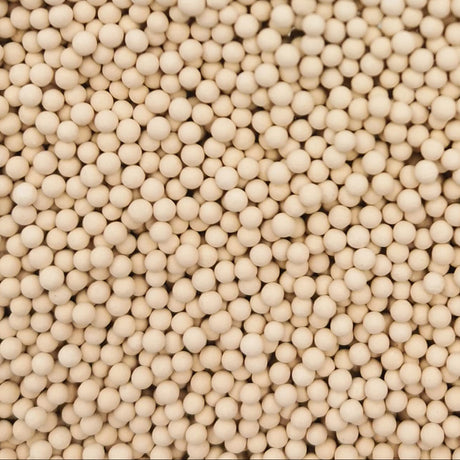
13X 4×8 Molecular Sieve for CO₂ & Gas Purification
From $48200Unit price /Unavailable-
CHROMATOCEL® S-200 Silica Gel for Chromatography & Purification
1102.0 lb
$6,25000Unit price /Unavailable 
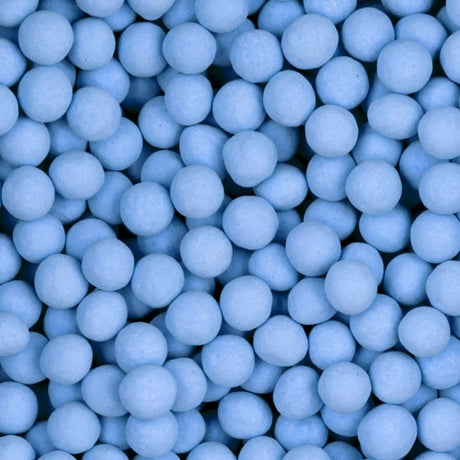
4A 4×8 Blue Indicating Molecular Sieve Desiccant
From $1,88700Unit price /Unavailable-
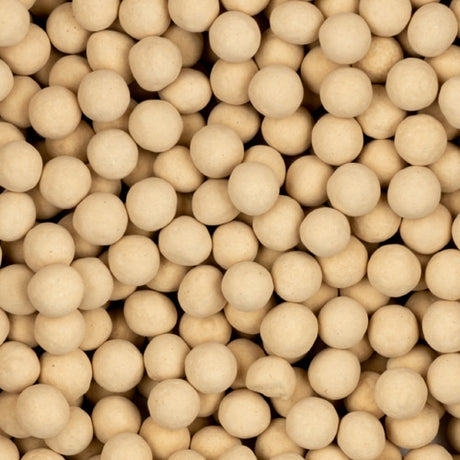
4A 8×12 Molecular Sieve Desiccant for Gas & Liquid Drying
From $45100Unit price /Unavailable -
3A 8x12 Molecular Sieve Desiccant High-Performance Zeolite for Industrial Drying
From $46200Unit price /Unavailable 
CHROMATOCEL® S-060 Silica Gel for Chromatography & Purification
From $62500Unit price /Unavailable-
Dicalite 4200 DE Filter Aid for General Liquid Clarification
From $99500Unit price /Unavailable -
Coconut Shell Granular Activated Carbon (GAC) - 8x30 & 12x40 Mesh
From $21298Unit price /Unavailable -

Food-Grade Coconut Shell Powdered Activated Carbon (PAC) - 80x325 Mesh, Acid-Washed
From $28098Unit price /Unavailable
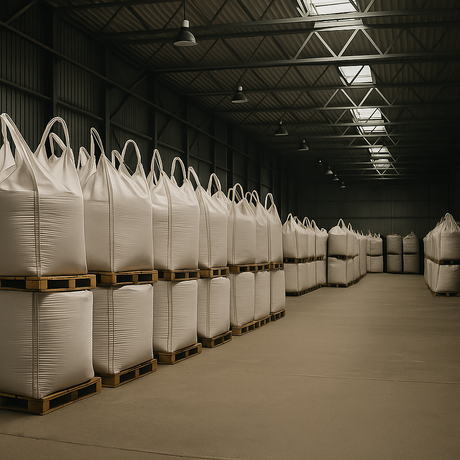





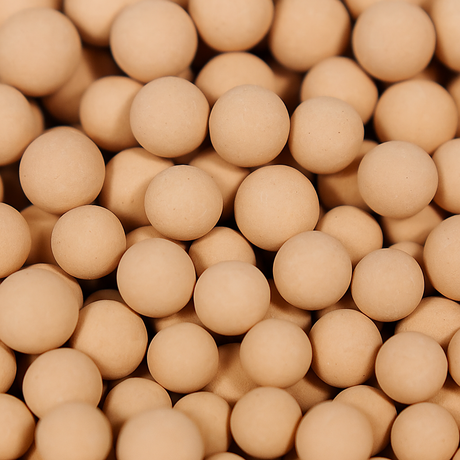

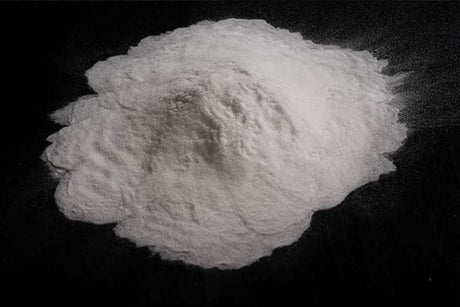


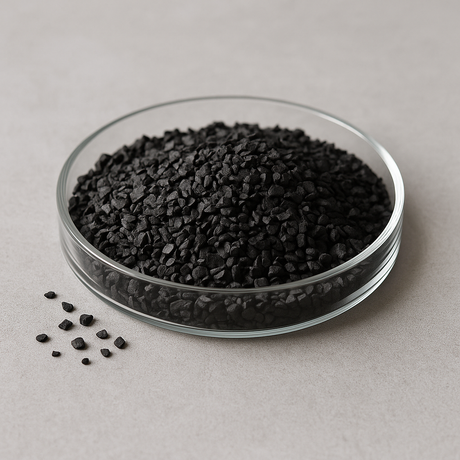
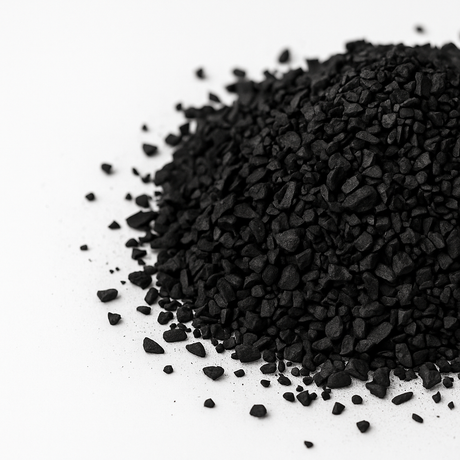

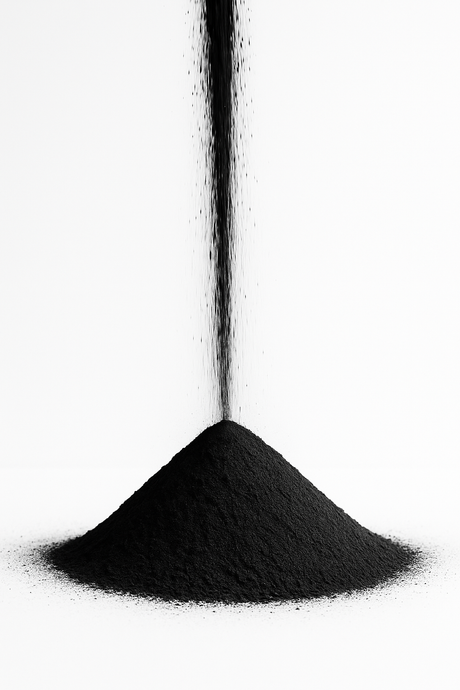
Automotive Filtration & Adsorption Media
Activated carbon and filtration media support automotive manufacturing, maintenance, air treatment, fluid processing, and component-production systems. Depending on the application, these materials can adsorb volatile organics and odors, polish process liquids, remove suspended solids, or support cleaner manufacturing and service environments.
Common Automotive Applications
- Air & odor treatment: Activated carbon can adsorb selected VOCs, hydrocarbons, and odor-causing compounds from compatible air and vapor streams.
- Cabin & ventilation filtration: Carbon media may be used in odor- and contaminant-control systems where granular or pelletized formats are appropriate.
- Process-liquid polishing: Activated carbon can support removal of selected dissolved organics, color bodies, and odors from compatible fluids.
- Liquid clarification: Diatomaceous earth can improve solids removal and filtration performance in compatible oils, chemicals, and process liquids.
Media Options
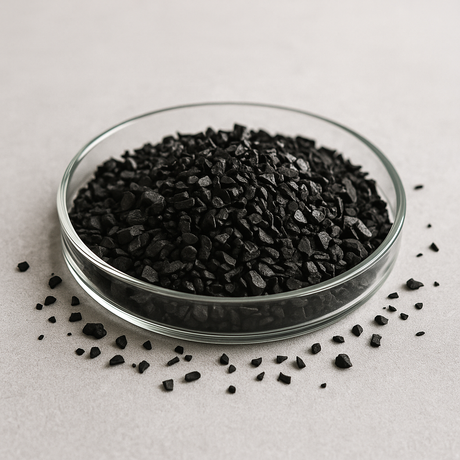
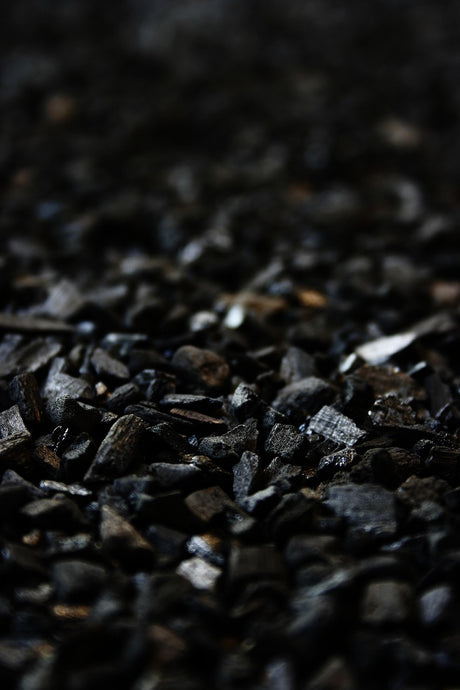
- Granular activated carbon: Fixed-bed adsorption media for selected gas- and liquid-phase purification applications.
- Pelletized activated carbon: Low-pressure-drop format suited to compatible air, vapor, VOC, and odor-control systems.
- Powdered activated carbon: Fine carbon for batch treatment and polishing of compatible liquids before downstream filtration.
- Diatomaceous earth: Filter-aid media for suspended-solids removal, clarification, and maintenance of permeable filter cakes.
Adsorption and Filtration Solve Different Problems
Activated carbon and diatomaceous earth are both useful process media, but they perform different functions. Activated carbon primarily relies on adsorption to remove compatible dissolved or vapor-phase contaminants, while diatomaceous earth primarily improves mechanical filtration of suspended solids. Some automotive manufacturing processes may use both functions at different treatment stages.
Activated Carbon for Air & Vapor Treatment
- VOC adsorption: Carbon can capture selected organic vapors from compatible ventilation and process-air streams.
- Odor control: Useful where volatile compounds contribute to nuisance odors in manufacturing, maintenance, or enclosed environments.
- Format selection: Granular and pelletized carbons provide different pressure-drop, handling, and contact characteristics.
- Performance variables: Contaminant identity, concentration, humidity, temperature, flow rate, and residence time affect adsorption capacity.
Carbon for Liquid Polishing
- Batch treatment: Powdered activated carbon can be mixed into compatible process liquids and removed by filtration after sufficient contact time.
- Fixed-bed polishing: GAC can be used in vessels for continuous treatment of compatible liquid streams.
- Target contaminants: Carbon selection should be based on the specific dissolved organic, color, or odor compound being removed.
- Grade selection: Feedstock, pore distribution, particle size, ash content, and surface chemistry all influence performance.
Diatomaceous Earth for Process Clarification
Diatomaceous earth is commonly used as a precoat or body-feed filter aid where suspended solids reduce throughput or rapidly blind the primary filter medium. Grade selection balances clarity, permeability, solids-holding capacity, and filtration rate according to the fluid and filtration equipment.
How to Select Automotive Process Media
- Identify the problem: Determine whether the target is VOCs, odor, dissolved organics, suspended solids, color, or general process polishing.
- Define the phase: Gas, air, vapor, oil, solvent, and aqueous streams require different adsorption and filtration approaches.
- Review process conditions: Flow rate, temperature, pressure, humidity, contaminant loading, and available equipment affect media selection.
- Set the endpoint: Establish the required outlet concentration, clarity, odor reduction, filtration rate, or downstream process requirement.
Operational Considerations
- Pressure drop: Particle size and media format influence airflow or liquid-flow resistance through fixed beds.
- Contact time: Adsorptive treatment requires sufficient residence time for target compounds to reach the media surface and pore structure.
- Filterability: Powdered carbon and filter aids require appropriate downstream solids-removal equipment.
- Qualification: Confirm the exact product grade against process chemistry, contaminant targets, equipment, and internal quality requirements.
Granular, Pelletized or Powdered Carbon?
Granular activated carbon is commonly selected for fixed-bed gas or liquid treatment. Pelletized carbon provides a uniform geometry and relatively low pressure drop for compatible vapor and air applications. Powdered activated carbon is typically used for batch treatment where fast dispersion and subsequent filtration are practical.
Need Help Selecting Automotive Process Media?
Tell us the air, vapor, oil, solvent, or process stream you're treating, the target contaminant or filtration issue, operating conditions, current media if applicable, and required quantity. We can help narrow suitable activated-carbon and filter-aid options.
Request a Material Recommendation or Bulk Quote


