-
 Request a Custom Quote
Don’t see what you need? We can source it. -

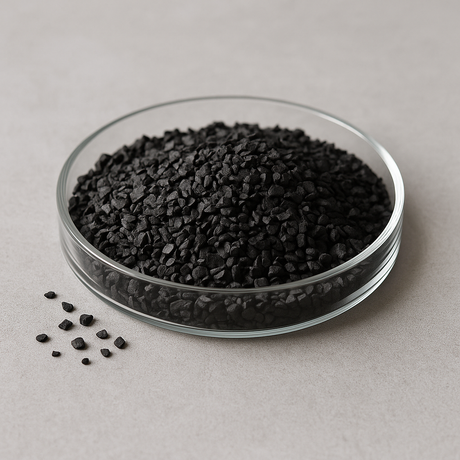
Coal-Based Granular Activated Carbon (GAC) – 8x30 & 12x40 Mesh
From $17098Unit price /Unavailable 
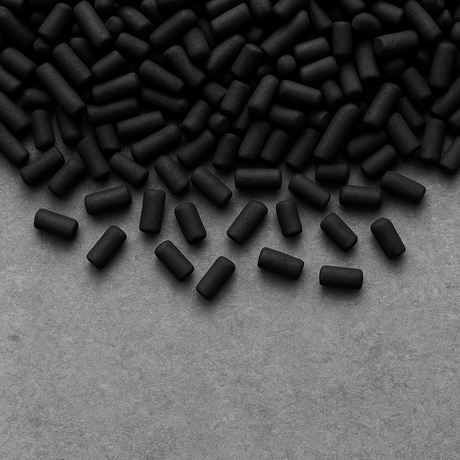
4 mm Pelletized Activated Carbon - VOC & Industrial Air Treatment
From $21598Unit price /Unavailable

DYNOCEL® 600 Activated Alumina for Water & Process Purification
1800.0 lb
$7,20000Unit price /Unavailable
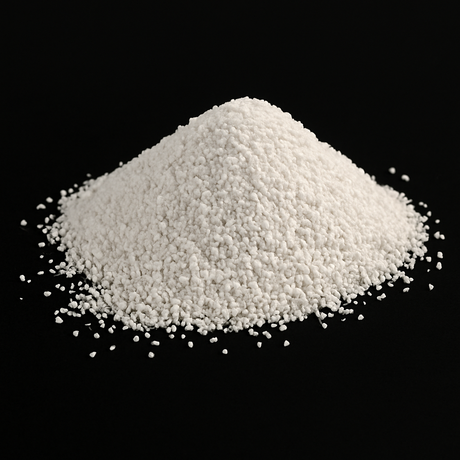
SILIPORITE® NK 30 AP 3A Molecular Sieve Powder
From $3,70000Unit price /Unavailable-
-
-
-
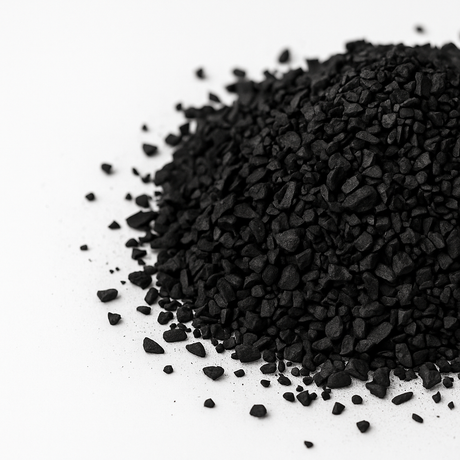
Coconut Shell Granular Activated Carbon (GAC) - 8x30 & 12x40 Mesh
From $21298Unit price /Unavailable 
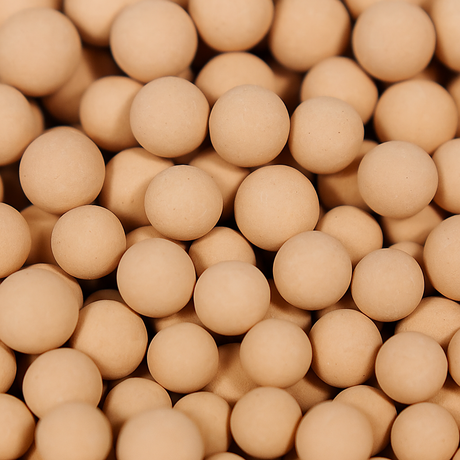
4A 8×12 Molecular Sieve Desiccant for Gas & Liquid Drying
From $45100Unit price /Unavailable-
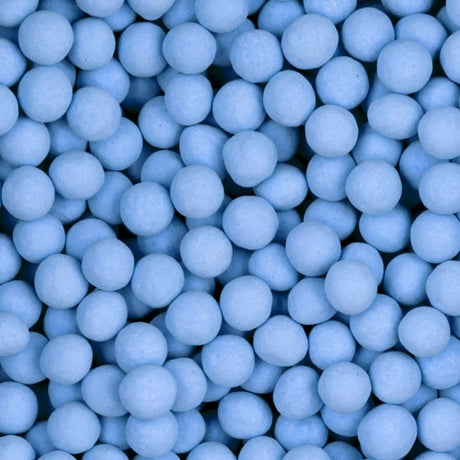
4A 4×8 Blue Indicating Molecular Sieve Desiccant
From $1,88700Unit price /Unavailable -
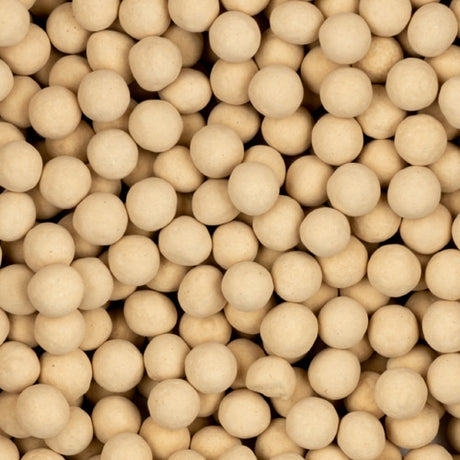
3A 8x12 Molecular Sieve Desiccant High-Performance Zeolite for Industrial Drying
From $46200Unit price /Unavailable -
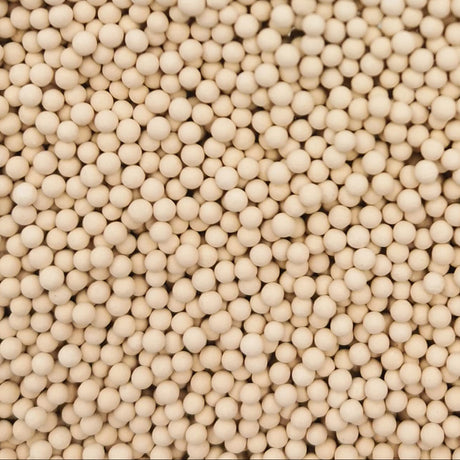
13X 4×8 Molecular Sieve for CO₂ & Gas Purification
From $48200Unit price /Unavailable








Battery & Energy Process Sorbents
Moisture and trace contaminants can create significant processing challenges in battery, energy-storage, fuel, and specialty chemical manufacturing. Molecular sieves, activated alumina, and activated carbon provide targeted adsorption for drying, purification, process protection, and controlled manufacturing environments.
Common Process Applications
- Solvent drying: Molecular sieves can remove water from compatible process solvents and liquids where low residual moisture is required.
- Gas & process-air drying: Molecular sieve and activated alumina media support dehydration of compressed air, inert gases, and other compatible process streams.
- Gas purification: Activated carbon and molecular sieves can adsorb selected trace contaminants from gas streams depending on chemistry and media grade.
- Storage & handling protection: Desiccant media can help maintain controlled moisture conditions for sensitive materials and process environments.
Media Options
- 3A molecular sieve: Selective water adsorption with a nominal 3 angstrom pore opening for compatible solvent and gas-drying applications.
- 4A molecular sieve: General-purpose drying and adsorption where slightly larger molecular access is appropriate.
- Activated alumina: Regenerable adsorption media commonly used for water removal from air, gases, and compatible liquids.
- Activated carbon: Adsorptive media for selected organic vapors, odors, impurities, and process-gas purification applications.
Why Moisture Control Matters
Many battery and energy-related manufacturing processes use moisture-sensitive solvents, gases, intermediates, or reactive components. Unwanted water can interfere with process chemistry, product handling, storage stability, or downstream operations. Drying media should therefore be selected according to the required moisture level, process temperature, fluid composition, adsorption capacity, and regeneration strategy.
Molecular Sieves for Process Drying
- Selective adsorption: Uniform pore structures allow molecular sieves to adsorb water and other compatible molecules according to pore size.
- Low-moisture service: Molecular sieves maintain strong water affinity at low relative humidity and low residual moisture conditions.
- Multiple formats: Beads, granules, and activated powders support fixed-bed drying and selected formulation or process applications.
- Regeneration potential: Many molecular sieve systems can be regenerated using controlled heat, purge gas, or pressure-swing methods.
Activated Alumina for Drying
- High surface area: Porous activated alumina provides strong adsorption capacity for water in compatible process streams.
- Mechanical durability: Granular and bead grades are suited for packed-bed systems requiring reliable handling and low media breakdown.
- Regenerable service: Alumina can be used in cyclic drying systems where adsorption and regeneration alternate.
- Process flexibility: Common applications include compressed air, industrial gases, and compatible liquid-drying systems.
3A vs. 4A vs. 13X Molecular Sieve
Molecular sieve grade selection depends on which molecules must be adsorbed or excluded. Smaller pore openings such as 3A are highly selective for water, while 4A and 13X allow progressively larger molecules to enter the pore structure. Selecting the correct pore size helps balance drying performance, selectivity, and protection of the desired process components.
How to Select Drying Media
- Define the stream: Identify the solvent, gas, air stream, or other process material being treated.
- Set the moisture target: Determine inlet moisture and the required outlet water concentration or dew point.
- Review competing molecules: Other compounds in the stream can influence pore-size selection and adsorption capacity.
- Determine operating conditions: Temperature, pressure, flow rate, contact time, and regeneration method all affect media performance.
System & Handling Considerations
- Particle size: Bead and granule dimensions affect pressure drop, mass transfer, and bed behavior.
- Bed design: Vessel dimensions, flow distribution, superficial velocity, and cycle time influence adsorption performance.
- Media protection: Oil, particulates, reactive compounds, or other contaminants may foul or reduce adsorbent capacity.
- Qualification: Confirm the exact media grade against the chemistry, purity requirements, and process specifications before implementation.
Drying vs. Purification
Drying and purification are related but distinct adsorption functions. Drying focuses specifically on water removal, while purification may target organic vapors, odors, sulfur compounds, process impurities, or other contaminants. Molecular sieve, activated alumina, and activated carbon should be selected according to the actual contaminant target rather than treated as interchangeable media.
Need Help Selecting Media for an Energy Process?
Tell us the material or process stream, target moisture or contaminant level, operating temperature and pressure, flow rate, current media if applicable, and required quantity. We can help narrow molecular sieve, activated alumina, and activated-carbon options for your application.
Request a Material Recommendation or Bulk Quote


