-
 Request a Custom Quote
Don’t see what you need? We can source it. 

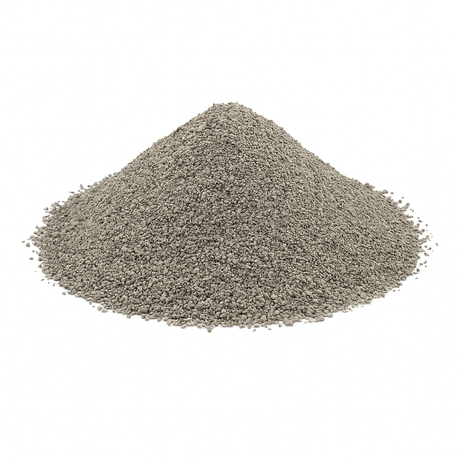
Ultra-Clear® Attapulgite Clarification Media for Fuels & Oils
From $17500Unit price /Unavailable-

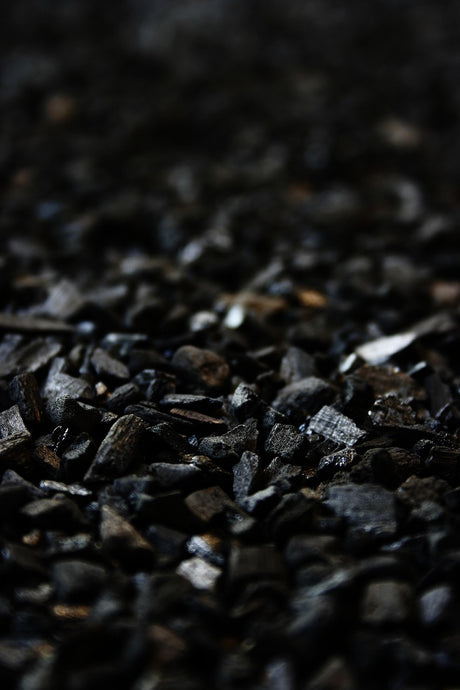
Coal-Based Granular Activated Carbon (GAC) – 8x30 & 12x40 Mesh
From $17098Unit price /Unavailable 
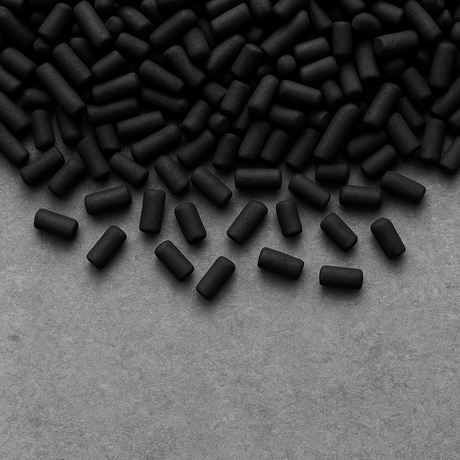
4 mm Pelletized Activated Carbon - VOC & Industrial Air Treatment
From $21598Unit price /Unavailable-
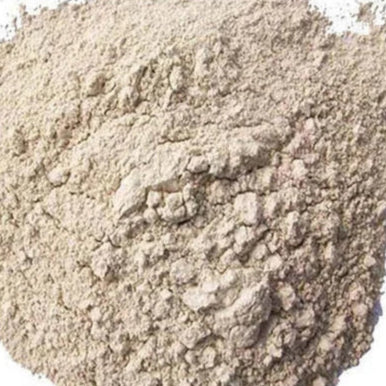
Microsorb® Attapulgite Adsorbent & Filtration Media
From $20000Unit price /Unavailable 
Pure-Flo® B80 Natural Bleaching Adsorbent High-Performance Clay for Edible Oil Refining
From $8800Unit price /Unavailable

DYNOCEL® 600 Activated Alumina for Water & Process Purification
1800.0 lb
$7,20000Unit price /Unavailable-
Attasorb® 16/30 LVM - Granular Attapulgite Sorbent & Filter Media
From $17900Unit price /Unavailable -
Dicalite 4200 DE Filter Aid for General Liquid Clarification
From $99500Unit price /Unavailable -
Dicalite Speedplus A Fine DE Filter Aid for Liquid Clarification
From $99500Unit price /Unavailable -
Select 450 Selective Silicate Adsorbent for Oils & Biodiesel
1000.0 lb
$3,82900Unit price /Unavailable -
-
Pure-Flo® Supreme 55 Bleaching Earth for Edible Oil Refining
1000.0 lb
$1,71900Unit price /Unavailable -
Select 350 Selective Silicate Adsorbent for Oils & Biodiesel
1000.0 lb
$3,74900Unit price /Unavailable -
Coconut Shell Granular Activated Carbon (GAC) - 8x30 & 12x40 Mesh
From $21298Unit price /Unavailable -

Food-Grade Coconut Shell Powdered Activated Carbon (PAC) - 80x325 Mesh, Acid-Washed
From $28098Unit price /Unavailable -

CHROMATOCEL® S-060 Silica Gel for Chromatography & Purification
From $62500Unit price /Unavailable





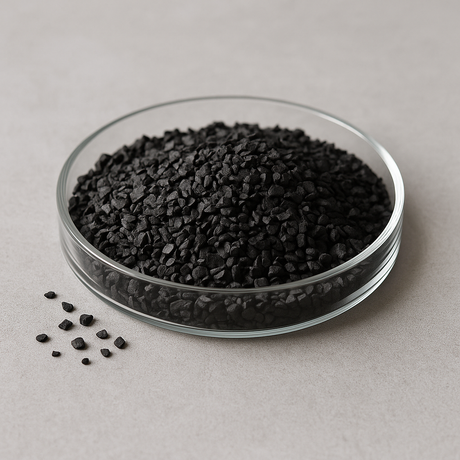
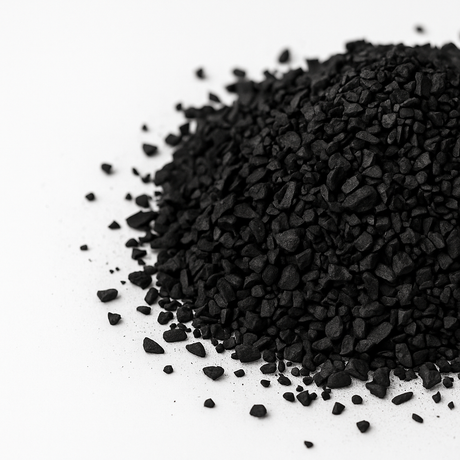

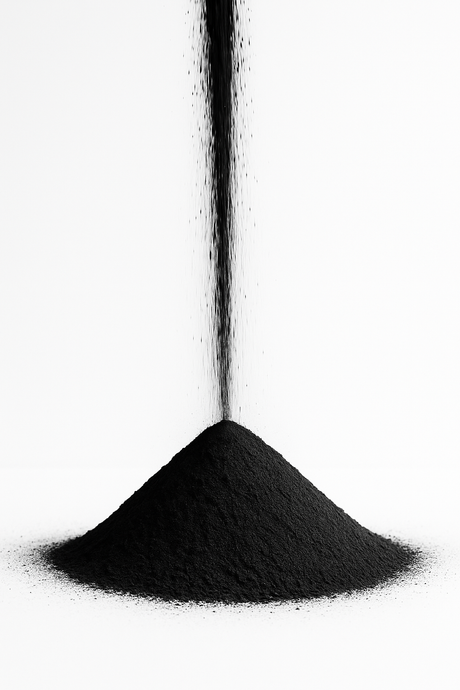
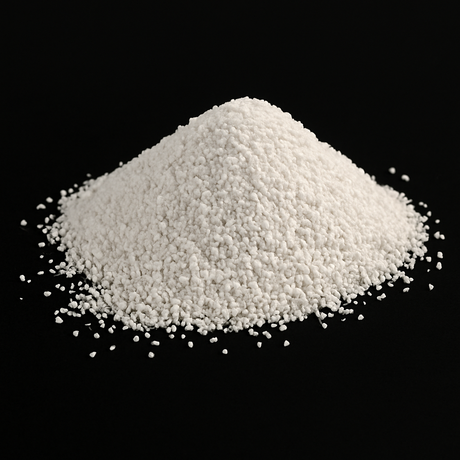

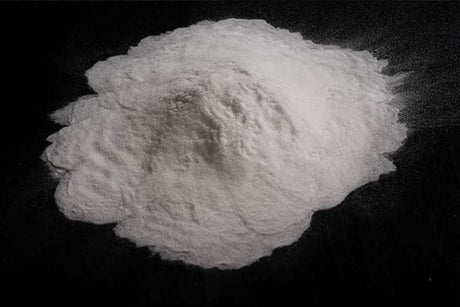

Filtration Media for Industrial Liquid & Process Applications
Industrial filtration media support the separation of suspended solids, spent treatment media and other unwanted material from process streams. Depending on the application, a treatment train may rely on mechanical particle retention, depth filtration, porous filter-cake formation, adsorption followed by filtration, or a combination of these mechanisms.
The correct media depends on what must be removed, whether the treatment mechanism is mechanical filtration or adsorption, the filtration equipment, process-liquid properties, solids loading, required clarity and downstream processing requirements.
Sorbents Direct supplies diatomaceous earth filter aids, bleaching earths, activated carbon, silica, activated alumina and related industrial process media for clarification, purification and solids-separation applications.
Start With the Filtration Mechanism
Materials used around a filtration system do not all perform the same job. Start by identifying the actual process function:
Build a Permeable Filter Cake
Diatomaceous earth is used primarily for mechanical clarification, precoat and body-feed filtration where cake structure and permeability control are important.
Remove Dissolved Contaminants, Then Separate the Media
Powdered carbon, bleaching earth and other powdered adsorbents may first remove compatible dissolved contaminants and then require downstream filtration to separate the spent media.
Remove Suspended Solids & Haze
Filter aids can improve suspended-solids capture while helping maintain a practical balance between finished clarity, pressure rise and throughput.
Improve Chemical or Physical Quality
Activated carbon, bleaching earth, silica, alumina and other adsorbents may be selected when contaminant removal—not filter-cake formation—is the primary treatment objective.
Common Types of Industrial Filtration & Process Media
| Media | Primary Function | Common Applications | Key Selection Factors |
|---|---|---|---|
| Diatomaceous Earth | Mechanical filtration / porous cake formation | Liquid clarification, precoat filtration, body feed and suspended-solids removal | Permeability, particle size, solids loading, flow rate, cake behavior and required clarity |
| Bleaching Earth & Selective Mineral Adsorbents | Adsorption followed by solids separation | Edible-oil refining, feedstock pretreatment and compatible liquid purification | Feedstock, contaminant profile, dosage, oil retention, adsorption performance and filterability |
| Activated Carbon | Adsorption | Reduction of compatible color bodies, odors and selected dissolved organics | Target compounds, pore structure, carbon base, physical form, contact conditions and downstream separation |
| Silica | Grade-dependent adsorption / process function | Purification, chromatography and specialty process applications | Grade, particle size, pore structure, surface area, purity and process chemistry |
| Activated Alumina | Adsorption | Drying, water treatment and compatible process-purification duties | Target contaminant, particle form, pH, flow conditions, contact time and bed configuration |
| Clay & Mineral Media | Grade-dependent adsorption / physical treatment | Clarification, purification, polishing and industrial process treatment | Mineralogy, particle size, porosity, surface chemistry, process compatibility and filtration behavior |
Common Industrial Filtration Applications
Liquid Clarification
Filter aids can mechanically capture suspended solids, haze-forming particles and other insoluble material while supporting practical liquid flow through the filter cake.
Oil & Fat Processing
Bleaching earths and selective adsorbents may remove compatible pigments, soaps, phosphorus-related contaminants, selected trace metals and other impurities before the spent media are removed by filtration.
Food & Beverage Filtration
Compatible DE filter-aid grades may support clarification of beverages, syrups, fermentation streams and other process liquids through precoat and/or body-feed filtration.
Chemical Processing
Industrial filtration can support solids separation, process polishing, removal of spent powdered media and protection of downstream equipment in compatible chemical-process streams.
Water & Process Liquids
Activated carbon, alumina and other adsorbents may remove selected dissolved contaminants, while filtration equipment handles suspended material or downstream media separation.
Precoat & Body-Feed Filtration
Diatomaceous earth can form a porous working cake that supports solids capture while helping maintain permeability in pressure, leaf, press and other compatible filtration systems.
Filter Aid vs. Adsorbent: What's the Difference?
A filter aid primarily supports mechanical solids separation by establishing or maintaining a porous filter cake. Its job may include protecting the filter support, reducing premature blinding and maintaining cake permeability.
An adsorbent primarily removes compatible dissolved or molecular contaminants through interaction with its internal and external surface structure. Activated carbon, bleaching earth, silica and activated alumina can perform adsorptive functions depending on grade and application.
The two technologies can work together. For example, powdered activated carbon may first adsorb selected dissolved compounds, after which DE filter aid may help support separation of spent PAC and other suspended solids in a compatible filtration system.
How to Choose Industrial Filtration Media
1. Identify What Must Be Removed
Determine whether the target is suspended solids, haze, pigments, color bodies, dissolved organics, polar contaminants, trace metals or another impurity. Mechanical filtration and adsorption address different treatment problems.
2. Define the Required Finished Quality
Establish the required clarity, turbidity, contaminant concentration, color target or downstream process specification. This helps determine whether mechanical clarification alone is sufficient or whether an adsorption step is also required.
3. Match the Media to the Equipment
Pressure-leaf filters, filter presses, plate-and-frame systems, rotary vacuum filters, cartridges, packed beds and other equipment impose different requirements on particle size, permeability, pressure drop and media-retention strategy.
4. Evaluate Particle Size & Permeability
For filter aids, finer is not automatically better. A tighter grade may improve particulate retention but also reduce permeability and increase pressure rise. A more permeable grade may improve throughput but provide a different clarification profile.
5. Consider Solids Loading & Cake Behavior
Solids concentration, particle characteristics and cake compressibility can materially affect cycle length and differential pressure. Precoat and body feed may be used to manage cake structure in compatible systems.
6. Consider Adsorbent Dosage & Contact Time
When powdered carbon, bleaching earth, silica or another adsorbent is used, adsorption performance can depend on dosage, mixing, contact time, temperature, competing compounds and process chemistry.
7. Plan the Separation Step
A powdered adsorbent still has to be removed from the treated liquid. Evaluate filterability, retained product, cake formation, pressure rise and finished clarity along with contaminant-removal performance.
8. Validate Under Representative Conditions
Bench, pilot or production trials are useful when changing grades or filtration strategy. Evaluate the complete cycle rather than only initial flow or initial clarity.
Diatomaceous Earth as an Industrial Filter Aid
Diatomaceous earth filter aid is used to create a porous filtration layer capable of retaining suspended material while allowing clarified liquid to pass through the cake.
DE may be applied as a precoat to establish the initial filtration surface, as body feed introduced during filtration to help maintain cake porosity, or through a combination of both methods.
Grade selection should balance clarity ↔ permeability ↔ throughput ↔ cake behavior. A finer DE grade is not universally better, and a higher-permeability grade is not universally better. The correct balance depends on the process.
Compare Available DE Filter Aids
Sorbents Direct supplies Dicalite® Speedplus A and Dicalite® 4200 for compatible industrial liquid-filtration applications.
Speedplus A provides the finer, lower-permeability filtration profile of the two current grades, while Dicalite 4200 provides a coarser, higher-permeability profile where throughput is a stronger priority.
Precoat vs. Body Feed
Establish the Initial Filter Cake
A slurry of filter aid is deposited onto the filter support before the process stream is introduced. The precoat creates the initial porous filtration layer and can help protect the support from direct solids loading.
Maintain Cake Porosity During the Run
Fresh filter aid is introduced during filtration and becomes incorporated into the accumulating solids cake. Proper body-feed use can help reduce rapid blinding and maintain flow as solids accumulate.
Many processes use both methods. Actual precoat quantity, body-feed rate and grade should be established according to the process, equipment and representative filtration trials.
Monitor the Entire Filter Cycle — Not Just Initial Flow
A grade that produces excellent flow during the first few minutes may not provide the best cycle performance if pressure rises rapidly or filtrate quality changes as the cake builds.
Useful comparisons include finished clarity, differential-pressure rise, total liquid processed per cycle, body-feed consumption, cycle length and retained product.
Adsorptive Treatment with Clay, Carbon & Silica
Adsorptive treatment differs from mechanical filtration. The adsorbent is contacted with the process liquid so compatible dissolved contaminants can interact with its surface structure. When powdered media are used, the spent adsorbent must then be separated from the treated stream.
Bleaching Earth & Selective Adsorbents
Used in compatible oil and feedstock processing for color reduction, polar impurity removal and selective pretreatment objectives.
Activated Carbon
Used for adsorption of compatible color bodies, odor-causing compounds and selected dissolved organics. PAC commonly requires downstream solids separation after treatment.
Silica
Grade-dependent silica products can support adsorption, chromatography, purification and other specialized process functions.
Activated Alumina
Activated alumina is primarily an adsorbent and may be used in compatible drying, water-treatment and process-purification duties.
Filtration vs. Purification
Filtration describes a separation process—typically the physical removal of suspended material or spent treatment media from a fluid stream.
Purification describes the broader objective of improving the chemical or physical quality of a process material by removing unwanted components.
Many industrial treatment trains use both. An adsorbent may perform the purification step, while filtration performs the downstream separation step. If contaminant removal or process polishing is your primary objective, see our Purification Sorbents & Media collection.
Frequently Asked Questions About Filtration Media
What is industrial filtration media?
Industrial filtration media are materials used within filtration systems to support separation of suspended solids, spent treatment media or other unwanted material from process streams. Different materials can perform very different functions, so selection should be based on the unit operation.
What is a filter aid?
A filter aid is a porous material used to improve filtration performance by creating or maintaining a permeable filter cake, reducing premature filter blinding and supporting capture of suspended solids.
Is diatomaceous earth a filter aid?
Yes. Diatomaceous earth is widely used as an industrial filter aid and may be applied as precoat, body feed or both. Browse our Diatomaceous Earth Filter Aids collection for available grades.
Does finer DE always provide better filtration?
No. A finer filtration profile may improve particulate retention or clarity, but it generally changes permeability and can reduce flow or shorten the useful filtration cycle. Grade selection should balance clarity and throughput.
What is the difference between precoat and body feed?
Precoat establishes the porous filtration layer on the filter support before normal filtration begins. Body feed is added during filtration to help maintain cake structure and permeability as solids accumulate.
Can activated carbon be used with filtration?
Yes. Activated carbon may perform an adsorption step, and powdered activated carbon can then require downstream filtration to remove the spent carbon from the treated liquid.
Can DE help filter powdered activated carbon?
In compatible systems, a DE precoat and/or body-feed strategy may support separation of spent powdered carbon and other suspended material. The appropriate setup depends on carbon loading, process-liquid properties, filtration equipment and required finished clarity.
What is bleaching earth used for?
Bleaching earth is used primarily as an adsorbent during compatible oil and fat refining processes. It can reduce selected pigments, polar impurities and other contaminants before the spent media are removed by filtration.
What determines filtration rate?
Filtration rate can be influenced by filter-aid permeability, particle distribution, solids loading, cake thickness, viscosity, temperature, pressure differential, filter area, body-feed rate and equipment design.
Should filtration media be tested before production use?
Representative trials are recommended when establishing a new process or changing grades because filtration behavior, pressure rise, clarity, throughput and cycle economics can be highly process dependent.
Bulk Filtration Media & Technical Support
Sorbents Direct supplies diatomaceous earth filter aids, bleaching earth, activated carbon, silica, activated alumina and related process media for industrial clarification, purification and treatment.
Useful information for a filtration-media request includes:
- Liquid or process stream being filtered
- Target contaminant or suspended solids
- Current filtration equipment
- Current filter aid or treatment media, if applicable
- Desired clarity or downstream specification
- Approximate solids loading
- Flow rate or cycle-performance target
- Required quantity and packaging
- Ship-to ZIP code or destination
- Required SDS, TDS, COA or qualification documents
For larger or recurring requirements, see our Bulk Industrial Adsorbents & Filtration Media Supplier page.
Need Help Selecting Filtration Media?
Tell us what you're filtering, what needs to be removed, the equipment you're using, current media if applicable and required quantity. We can help narrow practical filtration-media and commercial supply options.


