
-
 Request a Custom Quote
Don’t see what you need? We can source it. 

Sphag-Sorb® Peat Moss Absorbent – Oil & Fuel Spill Control
From $1,87500Unit price /Unavailable

Gran-sorb® Cellulose Granular Absorbent – Spill Control & Hazardous Cleanup
From $96000Unit price /Unavailable
Universal Absorbent Pillows – 18" × 18" | Oil, Coolant & Water Spill Control
From $8699Unit price /Unavailable
65 Gallon Hazmat Spill Kit | Chemical & Hazardous Spill Control
100.0 lb
$75999Unit price /Unavailable-
65 Gallon Oil-Only Spill Kit | Oil & Hydrocarbon Spill Control
100.0 lb
$72999Unit price /Unavailable -
65 Gallon Universal Spill Kit | Oil, Coolant & Water Spill Control
100.0 lb
$74999Unit price /Unavailable -
20 Gallon Hazmat Spill Kit | Chemical & Hazardous Spill Control
23.7 lb
$42999Unit price /Unavailable -
20 Gallon Oil-Only Spill Kit – Oil & Hydrocarbon Spill Control
23.7 lb
$32499Unit price /Unavailable -
20 Gallon Universal Spill Kit – Oil, Coolant & Water Spill Control
23.7 lb
$33999Unit price /Unavailable -
-
Oil-Only Compact Spill Kit | Petroleum & Hydrocarbon Spill Control
7.0 lb
$5999Unit price /Unavailable -
Universal Compact Spill Kit | Oil, Coolant & Water Spill Control
7.0 lb
$6999Unit price /Unavailable -
Hazmat Absorbent Pillows – 18" x 18" | Chemical & Hazardous Spill Control
From $9499Unit price /Unavailable -
Oil-Only Absorbent Pillows – 18" x 18" | Oil & Fuel Spill Control
From $6499Unit price /Unavailable -
Hazmat Absorbent Socks – 3" x 48" | Chemical & Hazardous Spill Control
From $2899Unit price /Unavailable -
Oil-Only Absorbent Socks – 3" x 48" | Oil & Petroleum Spill Control
From $2999Unit price /Unavailable -
Universal Absorbent Socks - 3" x 48" | Oil, Water & Coolant Spill Control
From $4599Unit price /Unavailable
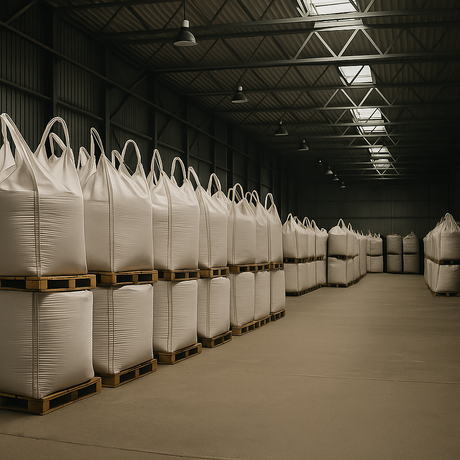


Emergency Spill Kits for Rapid Industrial Response
Emergency spill kits centralize absorbents and cleanup supplies so personnel can respond quickly when a leak or spill occurs. They are commonly staged near production equipment, loading docks, chemical storage, fleet operations, laboratories, maintenance areas, and other locations where liquids are routinely handled.
Sorbents Direct offers emergency spill kits in Universal, Oil-Only, and Hazmat configurations and in multiple container sizes. The appropriate kit depends on the fluids present, potential release volume, storage location, and site response procedures.
Where Emergency Spill Kits Are Commonly Staged
Manufacturing & Production
Stage kits near hydraulic equipment, pumps, production lines, process vessels, machine areas, and other locations where leaks or fluid releases may occur.
Warehouses & Loading Docks
Keep response materials near receiving, shipping, drum and tote storage, forklifts, battery areas, and material-transfer zones.
Fleet & Transportation
Spill kits can support preparedness in maintenance garages, fueling areas, service vehicles, fleet yards, and transportation terminals.
Laboratories & Chemical Areas
Appropriate Hazmat configurations can be staged near chemical storage, dispensing, mixing, and laboratory operations where broader chemical compatibility may be required.
Maintenance Operations
Provide accessible cleanup supplies around lubricants, coolants, hydraulic fluids, cleaners, fuels, and other maintenance materials.
Utilities & Field Operations
Emergency kits can be positioned around generators, pumps, substations, equipment yards, remote service locations, and temporary work sites.
Choose the Right Emergency Spill Kit Type
| Kit Type | Designed For | Typical Applications |
|---|---|---|
| Universal | Many oils, coolants, water-based fluids and compatible general-purpose liquids | Manufacturing, maintenance, warehouses and facility response |
| Oil-Only | Oils, fuels, lubricants and other compatible hydrocarbons while resisting water uptake | Fueling areas, fleet operations, outdoor response and marine environments |
| Hazmat | A broader range of aggressive chemicals where chemical-compatible absorbents are required | Laboratories, chemical storage, process areas and specialty manufacturing |
Chemical compatibility should always be verified for the specific material involved before a spill occurs.
Emergency Spill Kit Size Matters Too
Selecting the correct absorbent chemistry is only part of spill preparedness. The kit also needs enough response material for the credible release volume at its location.
Compact kits work well for vehicles, workstations, and smaller localized spills. 20 gallon kits provide a practical mid-size response station for production and maintenance areas. 65 gallon kits provide more absorbent inventory for higher-volume industrial risk areas.
Compare our Compact Spill Kits, 20 Gallon Spill Kits, and 65 Gallon Spill Kits by response size.
What Is Typically Included in an Emergency Spill Kit?
Exact contents vary by product, but industrial emergency spill kits typically combine several absorbent formats and related cleanup supplies.
| Component | Primary Function | Typical Use |
|---|---|---|
| Absorbent Pads | Surface absorption | Puddles, drips, surface films and final cleanup |
| Absorbent Socks | Containment | Surrounding or redirecting spreading liquid |
| Absorbent Pillows | Higher-capacity localized pickup | Pooled liquid and concentrated leaks where included |
| Gloves / PPE | Responder protection | Included with applicable kits; compatibility should be verified |
| Disposal Bags | Post-response collection | Temporary handling of used absorbents and cleanup materials |
| Container | Storage and organization | Pails, bags, drums, overpacks or other formats depending on the kit |
Review the individual product listing for exact kit contents, stated absorbency, container specifications, PPE, and accessories.
How to Build an Effective Spill Kit Program
1. Identify Spill Risks by Area
Review the fluids, containers, equipment, transfer points, and credible release volumes present in each work area rather than applying the same kit to every location.
2. Match the Absorbent to the Liquid
Choose Universal, Oil-Only, or Hazmat absorbents according to the liquids actually handled in that location and verify chemical compatibility where necessary.
3. Size the Kit for the Credible Release
Compare the stated absorbency of the kit with realistic spill volumes from nearby drums, totes, tanks, hoses, equipment reservoirs, or process systems.
4. Position Kits for Fast Access
Place response supplies near spill risks while keeping them outside likely spill paths. A kit that becomes inaccessible during a release provides little value.
5. Inspect & Replenish
Include spill kits in routine facility inspections. Replace missing, used, damaged, or contaminated contents so each station remains ready for use.
6. Train Personnel
Employees expected to respond should understand kit locations, absorbent types, basic containment procedures, PPE requirements, escalation criteria, and when not to attempt cleanup.
Emergency Spill Kits vs. Everyday Maintenance Absorbents
Maintenance absorbents and emergency spill kits serve related but different purposes. Pads or socks stored near machinery may handle routine drips and minor leaks, while a complete spill kit keeps multiple response components together for an unplanned release.
Many facilities benefit from using both: everyday absorbents for housekeeping and dedicated emergency kits that remain stocked and ready for larger or less predictable incidents.
Browse individual absorbent pads, socks, and pillows for routine maintenance and replenishment.
Emergency Spill Response: Contain, Control & Recover
A basic spill response often involves first protecting personnel and controlling access, then stopping the source if it can be done safely, containing the spread, and using appropriate absorbents to recover the liquid.
Socks and other containment materials can help slow migration toward drains, doorways, or walkways. Pads and pillows can then be used for recovery and surface cleanup where appropriate.
Hazardous, unknown, highly reactive, or large releases may require evacuation or specialized emergency response rather than routine spill-kit cleanup.
Spill Kits & Regulatory Preparedness
Emergency spill kits can support workplace spill-response and environmental preparedness programs, but the presence of a spill kit alone does not establish OSHA, EPA, DOT, SPCC, or other regulatory compliance.
Applicable requirements may also involve secondary containment, inspections, employee training, PPE, emergency procedures, hazardous-waste handling, reporting, transportation requirements, and site-specific response planning.
Frequently Asked Questions About Emergency Spill Kits
What is an emergency spill kit?
An emergency spill kit is a prepared collection of absorbents and related response supplies stored together so personnel can respond quickly to an unplanned liquid release.
What should an emergency spill kit contain?
Contents vary by kit but commonly include absorbent pads, socks, pillows, disposal bags, gloves, and other response supplies in a portable or drum-style container.
What type of spill kit should my facility use?
The correct choice depends on the fluids present. Universal kits handle many common industrial liquids, Oil-Only kits are intended for oils and hydrocarbons, and Hazmat kits provide broader chemical compatibility for many aggressive liquids.
How many spill kits does a facility need?
There is no single number that fits every facility. Kit quantity should reflect facility layout, spill risks, potential release volumes, access distance, operating areas, and internal response procedures.
Where should emergency spill kits be located?
Kits should be positioned near credible spill risks such as production areas, loading docks, chemical storage, maintenance shops, fleet operations, fluid transfer points, and laboratories while remaining accessible during an incident.
How often should spill kits be inspected?
Inspection frequency should be incorporated into the facility's own EHS or maintenance program. Kits should be checked for missing, used, damaged, expired, or contaminated contents and replenished as needed.
Can employees clean up every spill with a spill kit?
No. The appropriate response depends on the material, quantity, hazards, employee training, PPE, and site procedures. Unknown, highly hazardous, reactive, or uncontrolled releases may require evacuation and specialized response.
Does an emergency spill kit make a facility compliant?
No. A spill kit is one component of preparedness. Regulatory requirements depend on the materials, quantities, workplace processes, facility conditions, and applicable rules.
Emergency Spill Kits for Multi-Site & Facility Programs
Sorbents Direct supplies emergency spill kits for manufacturing facilities, warehouses, fleet operations, utilities, laboratories, contractors, maintenance departments, and multi-site organizations.
For larger programs, provide the fluids handled, number of response locations, preferred kit sizes, anticipated spill volumes, and replenishment requirements. We can help narrow practical configurations for consistent deployment across your operation.
Need Help Building a Spill-Response Program?
Tell us what fluids you handle, your primary risk areas, potential spill volumes, and how many locations you need to equip. We'll help narrow kit types, sizes, and practical deployment options.


