-
 Request a Custom Quote
Don’t see what you need? We can source it. 

Ultra-Clear® Attapulgite Clarification Media for Fuels & Oils
From $17500Unit price /Unavailable-

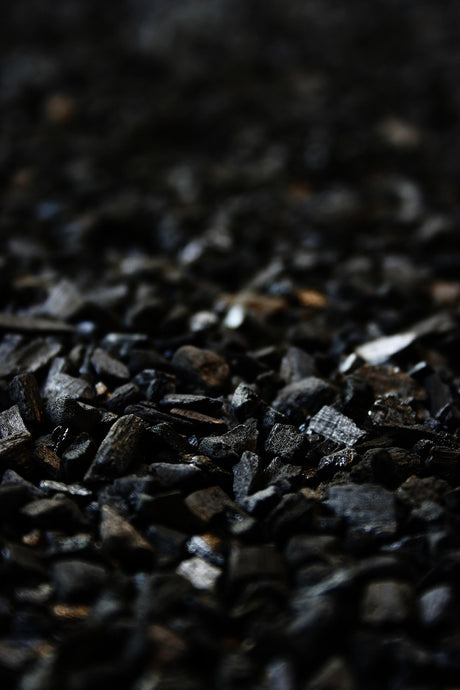
Coal-Based Granular Activated Carbon (GAC) – 8x30 & 12x40 Mesh
From $17098Unit price /Unavailable 
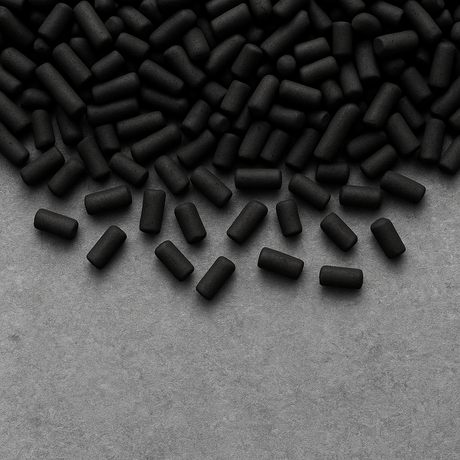
4 mm Pelletized Activated Carbon - VOC & Industrial Air Treatment
From $21598Unit price /Unavailable
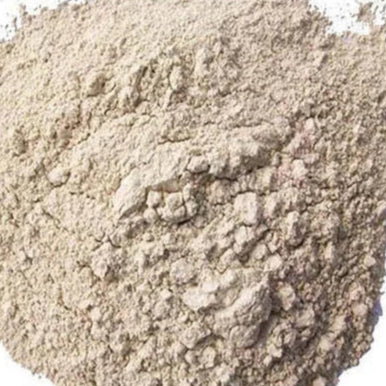
Pure-Flo® B80 Natural Bleaching Adsorbent High-Performance Clay for Edible Oil Refining
From $8800Unit price /Unavailable-
Microsorb® Attapulgite Adsorbent & Filtration Media
From $20000Unit price /Unavailable 

DYNOCEL® 600 Activated Alumina for Water & Process Purification
1800.0 lb
$7,20000Unit price /Unavailable-
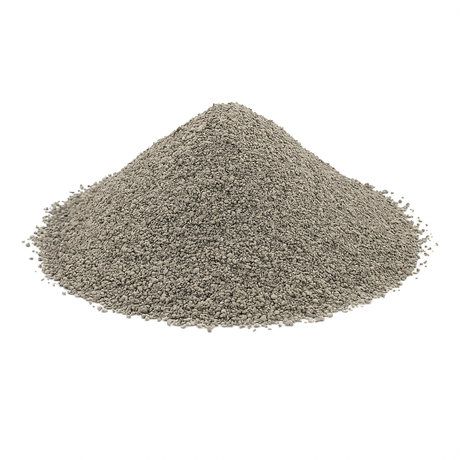
Attasorb® 16/30 LVM - Granular Attapulgite Sorbent & Filter Media
From $17900Unit price /Unavailable -
Dicalite 4200 DE Filter Aid for General Liquid Clarification
From $99500Unit price /Unavailable -
Dicalite Speedplus A Fine DE Filter Aid for Liquid Clarification
From $99500Unit price /Unavailable -
Select 450 Selective Silicate Adsorbent for Oils & Biodiesel
1000.0 lb
$3,82900Unit price /Unavailable -
-
Pure-Flo® Supreme 55 Bleaching Earth for Edible Oil Refining
1000.0 lb
$1,71900Unit price /Unavailable -
Select 350 Selective Silicate Adsorbent for Oils & Biodiesel
1000.0 lb
$3,74900Unit price /Unavailable -
Coconut Shell Granular Activated Carbon (GAC) - 8x30 & 12x40 Mesh
From $21298Unit price /Unavailable -

Food-Grade Coconut Shell Powdered Activated Carbon (PAC) - 80x325 Mesh, Acid-Washed
From $28098Unit price /Unavailable -
CHROMATOCEL® S-200 Silica Gel for Chromatography & Purification
1102.0 lb
$6,25000Unit price /Unavailable -

CHROMATOCEL® S-060 Silica Gel for Chromatography & Purification
From $62500Unit price /Unavailable
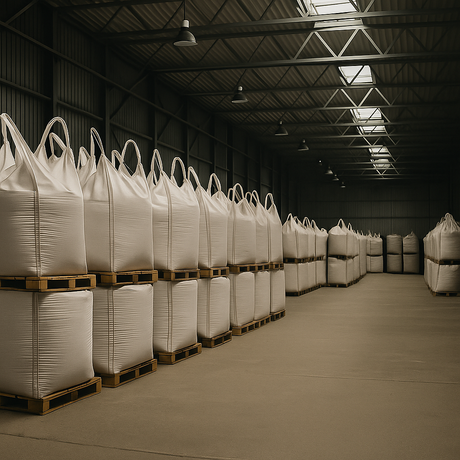

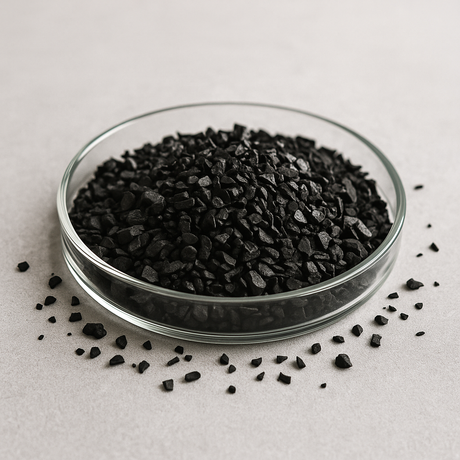








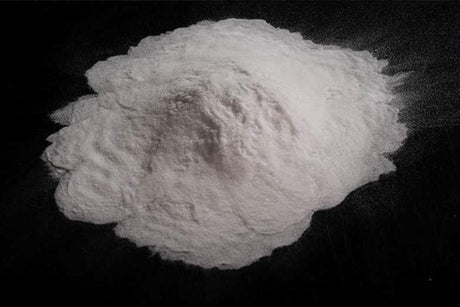

Industrial Sorbents for Purification & Process Polishing
Industrial purification sorbents remove unwanted dissolved, suspended, or vapor-phase contaminants from process streams. Depending on the material, purification may involve adsorption of organic compounds, pigments, moisture, polar impurities, trace contaminants, or other species that affect product quality or downstream processing.
Common purification media include activated carbon, bleaching clay, silica, activated alumina, molecular sieves, and other specialty adsorbents. The correct material depends on the contaminant being targeted, feed chemistry, concentration, operating conditions, required final specification, and process configuration.
Purification Media Comparison
| Purification Media | Common Targets | Typical Applications | Key Selection Factors |
|---|---|---|---|
| Activated Carbon | Organic compounds, VOCs, odors, color bodies and selected trace contaminants | Water treatment, chemical purification, liquid polishing and vapor treatment | Pore structure, carbon base, particle size, contaminant identity and contact time |
| Bleaching Clay & Activated Clay | Pigments, soaps, oxidation products, trace metals and polar impurities | Edible oils, renewable fuels, mineral oils and specialty liquid purification | Surface activity, acidity, dosage, oil retention and filtration behavior |
| Silica | Selected polar compounds, moisture and process-specific impurities | Purification, chromatography, polishing and specialty treatment | Surface chemistry, pore structure, particle size and process compatibility |
| Activated Alumina | Water and selected polar or dissolved contaminants | Water treatment, gas purification, liquid polishing and process adsorption | Target contaminant, pH, particle form, flow rate and operating conditions |
| Molecular Sieves | Water and selected molecules according to pore size and polarity | Gas purification, solvent dehydration, selective adsorption and process treatment | Pore size, molecule dimensions, temperature, pressure and regeneration method |
| Diatomaceous Earth & Filter Aids | Suspended solids and spent adsorbent media | Clarification and downstream separation after adsorptive treatment | Permeability, particle size distribution, solids loading and filtration rate |
Common Industrial Purification Applications
Oil & Fat Purification
Bleaching earth, activated clay, silica, activated carbon, and filtration aids may be used to remove pigments, soaps, oxidation products, trace metals, phospholipids, and other impurities from edible oils, specialty fats, and related feedstocks.
Chemical & Solvent Purification
Adsorbents can remove color bodies, residual organics, water, polar impurities, and other contaminants from chemical intermediates and compatible solvent streams.
Water Treatment & Polishing
Activated carbon, activated alumina, and specialty adsorbents are used to reduce selected dissolved contaminants, organics, taste and odor compounds, and other impurities in industrial water systems.
Gas & Vapor Purification
Activated carbon, molecular sieves, and activated alumina can be used to remove moisture, VOCs, odors, and selected contaminants from process gases and vapor streams.
Food & Beverage Processing
Appropriate purification media can support decolorization, clarification, odor reduction, and impurity removal where the selected grade meets application-specific purity and documentation requirements.
Process Polishing
Purification media are often used near the end of a process train to reduce residual contaminants before final filtration, packaging, downstream reaction, or product finishing.
Purification vs. Filtration
Purification is the broader objective of improving a material by removing unwanted contaminants. Filtration is one of the physical separation methods that may be used during or after purification.
For example, powdered activated carbon or bleaching clay may first adsorb dissolved impurities from a liquid. The spent adsorbent must then be physically removed through filtration.
If your primary concern is filter aids, cake formation, permeability, solids capture, or clarification mechanics, see our Industrial Filtration Media & Sorbents collection.
How to Select a Purification Sorbent
1. Identify the Target Contaminant
Start with what must be removed: water, color bodies, organic compounds, VOCs, odors, polar contaminants, trace metals, suspended material, or another impurity. Different adsorbents have different affinities and pore structures.
2. Characterize the Process Stream
Determine whether the application involves water, oil, solvent, gas, air, fuel, chemical intermediate, or another process stream. Feed chemistry strongly influences adsorption behavior and media compatibility.
3. Define the Required Final Specification
Establish the target purity, moisture level, color, contaminant concentration, odor threshold, or other required endpoint. This determines how aggressive the purification step must be.
4. Consider Concentration & Loading
High contaminant loading may require larger media quantities, staged treatment, pretreatment, or more frequent change-out. Trace polishing and bulk contaminant removal can require very different system designs.
5. Evaluate Contact Method
Powdered adsorbents may be mixed directly into a batch and filtered afterward, while granular, bead, and pellet media are commonly used in fixed beds or continuous-flow vessels.
6. Account for Downstream Removal
Fine adsorbents used in liquid treatment must eventually be separated from the purified stream. Filterability, cake formation, pressure drop, and spent-media handling should therefore be considered during material selection.
Activated Carbon for Purification
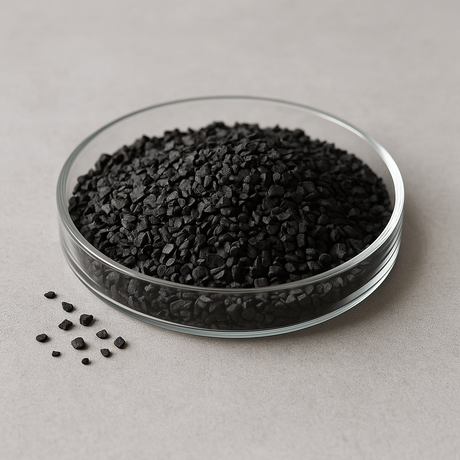
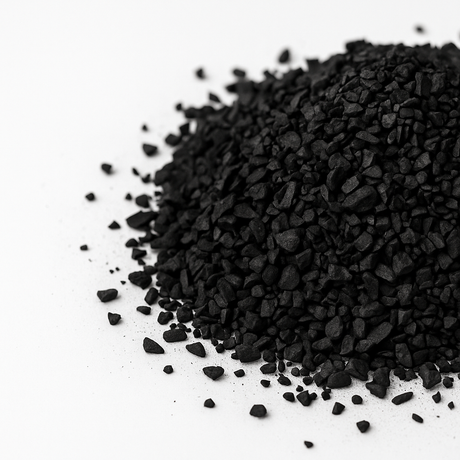
Activated carbon is one of the most versatile industrial purification adsorbents because its highly porous structure provides extensive internal surface area for adsorption.
Carbon is widely used to remove organic compounds, odors, VOCs, color bodies, and selected dissolved contaminants from liquids and gases. Performance depends on carbon source, activation method, pore distribution, surface chemistry, particle size, contact time, temperature, and the contaminant itself.
Bleaching Clay for Oil & Liquid Purification
Bleaching clays and activated earths are mineral adsorbents commonly used to remove pigments, soaps, oxidation products, trace metals, phospholipids, and other polar impurities from oils and related liquid feedstocks.
Natural and acid-activated grades differ in surface chemistry, acidity, adsorption activity, particle-size distribution, filtration characteristics, and oil retention. Selection should therefore be based on the actual feedstock and treatment objective rather than clay type alone.
Silica, Alumina & Molecular Sieves
Silica, activated alumina, and molecular sieves provide additional purification options where moisture, polarity, molecular size, or selective adsorption is important.
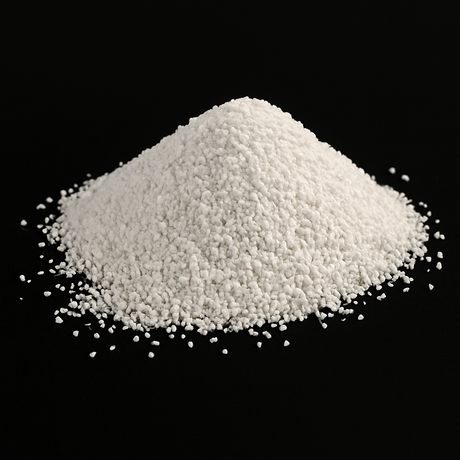
Molecular sieves are particularly useful where precise pore structure allows selective adsorption. Activated alumina provides durable adsorption in liquid and gas treatment systems, while silica grades can support purification, chromatography, and specialty process applications.
Purification vs. Separation
Purification generally focuses on removing unwanted contaminants from a desired product or process stream. Separation more often involves selectively dividing components of a mixture according to properties such as molecular size, polarity, affinity, volatility, or adsorption behavior.
The two can overlap, but the design objective is different. If your process depends primarily on selective molecular separation, chromatography, or adsorption selectivity, see our Separation-Grade Sorbents & Media collection.
Batch Treatment vs. Fixed-Bed Purification
Batch Treatment
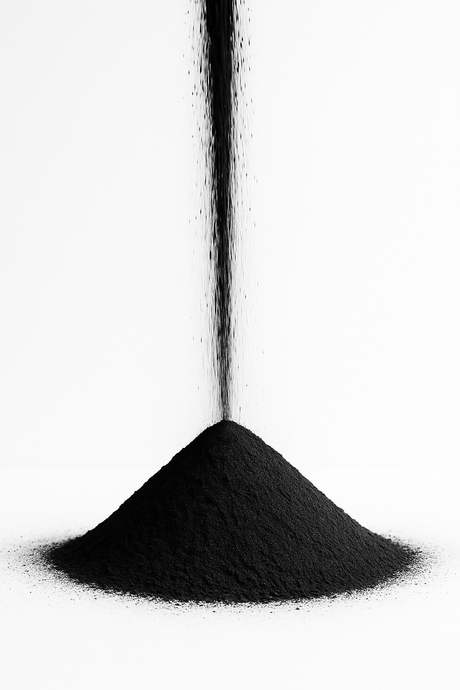
Powdered adsorbents such as activated carbon, bleaching clay, and selected silica grades can be dispersed into a liquid, allowed to contact the target contaminants, and then removed through filtration.
Fixed-Bed Treatment
Granular carbon, activated alumina, molecular sieve beads, and pellets are commonly packed into vessels so the process stream passes continuously through the adsorbent bed.
The appropriate configuration depends on throughput, contaminant loading, required residence time, pressure drop, regeneration strategy, handling requirements, and whether the process is batch or continuous.
Frequently Asked Questions About Purification Sorbents
What is a purification sorbent?
A purification sorbent is a material used to remove unwanted compounds from a liquid, gas, or process stream through adsorption, ion interaction, physical retention, or related mechanisms.
Which adsorbent is best for organic contaminants?
Activated carbon is commonly used for many organic contaminants, VOCs, odors, and color bodies. The best carbon grade depends on the specific compound, concentration, process phase, pore structure, and operating conditions.
What is used to remove color from oil?
Bleaching earth, activated clay, activated carbon, silica, and combinations of purification media may be used depending on the oil, target color bodies, feed quality, and refining process.
Which sorbent is best for moisture removal?
Molecular sieves, activated alumina, and silica gel are commonly used for moisture adsorption. Selection depends on required final moisture level, temperature, pressure, stream chemistry, and regeneration conditions.
Can purification media be regenerated?
Some can. Molecular sieves and activated alumina are commonly regenerated in appropriately designed systems. Activated carbon may be industrially reactivated in suitable applications. Many powdered clays and other batch-treatment media are generally handled as spent material after use.
Does finer particle size improve purification?
Finer particles can increase available contact area and improve adsorption kinetics in some applications, but they can also increase pressure drop, dusting, and filtration difficulty. Particle size should be selected for the overall process rather than adsorption alone.
What information is needed to select a purification media?
Useful information includes the process stream, target contaminant, starting concentration, required final specification, temperature, pressure, flow rate, pH where relevant, existing treatment method, and required quantity.
Bulk Purification Media & Technical Support
Sorbents Direct supplies activated carbon, bleaching clay, silica, activated alumina, molecular sieves, and related process media for industrial purification, polishing, contaminant removal, and refining applications.
If you're replacing an existing grade or evaluating a new purification step, provide the current media, target contaminant, process conditions, required specification, and expected volume. That information gives us the best starting point for identifying suitable material families and commercially available grades.
Need Help Selecting Purification Media?
Tell us what you're processing, what needs to be removed, your operating conditions, current media if applicable, and required quantity. We'll help narrow appropriate sorbents and available grades.


