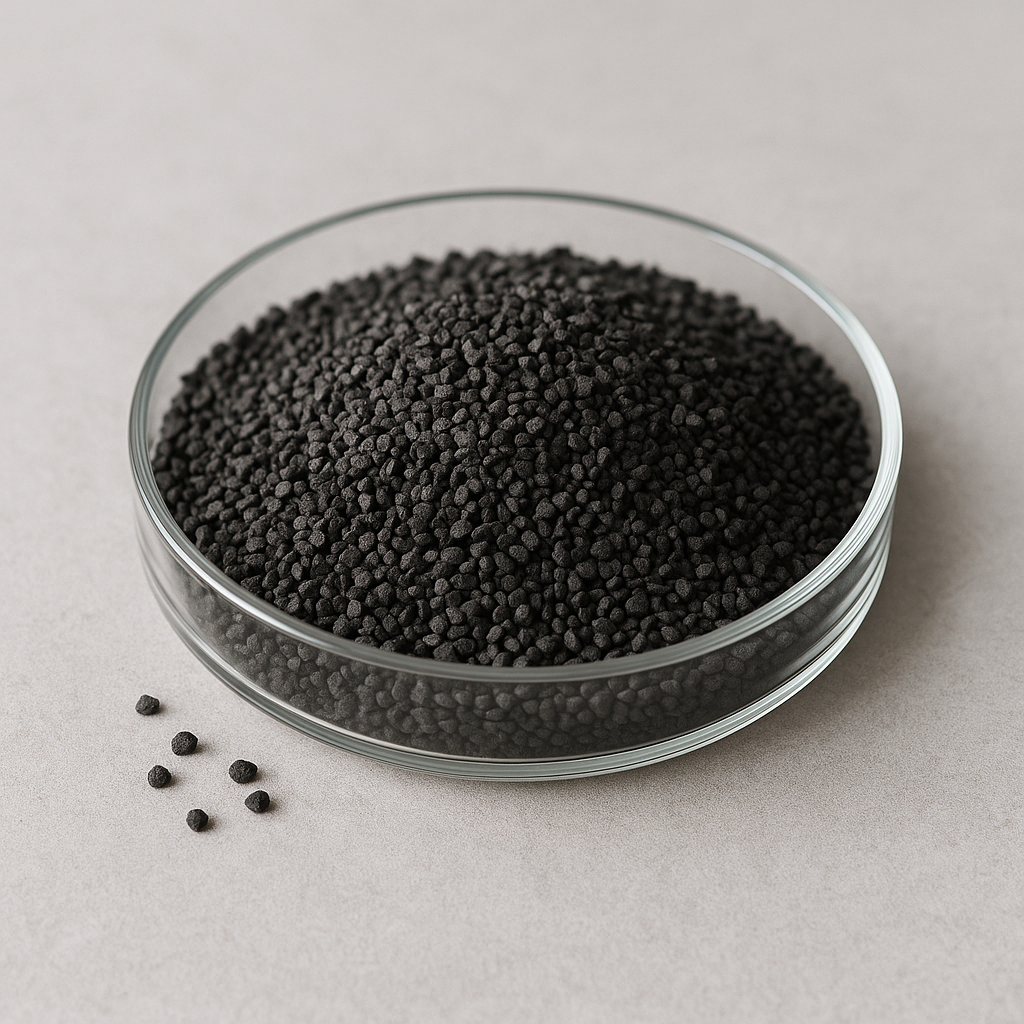
Coal-Based Granular Activated Carbon (GAC) – 8×30 & 12×40 Mesh
Coal-Based Granular Activated Carbon (GAC) – 8×30 & 12×40 Mesh - 8x30 / Trial Bag - 27.5 lb (12.5 kg) is backordered and will ship as soon as it is back in stock.
Couldn't load pickup availability
Bulk pallet & supersack discount - save on 2+ pallets or supersacks. Live freight quotes at checkout.
| Qty | Discount |
|---|---|
| Buy 2 | 5% off each |
| Buy 4 | 10% off each |
Overview
Coal-Based Granular Activated Carbon (GAC) is a durable liquid-phase adsorption media used for municipal water treatment, industrial process-water purification, dechlorination, taste-and-odor control, and dissolved-organic reduction.
Compared with more narrowly microporous carbon sources, coal-based GAC typically provides a broader pore-size distribution that can support adsorption of a wide range of organic compounds. Sorbents Direct offers this material in 8×30 mesh and 12×40 mesh for systems ranging from polishing filters to larger fixed-bed vessels.
Available mesh sizes: 8×30 and 12×40
Available packaging: 27.5 lb (12.47 kg) bags and 1,100 lb (approximately 499 kg) supersacks
Common uses: Water treatment, dechlorination, taste-and-odor control, process-water polishing, and dissolved-organic reduction
Shipping: Parcel, pallet, or LTL freight based on package size and quantity
Primary applications
- Municipal water treatment: Reduction of chlorine, taste-and-odor compounds, and selected dissolved organics
- Industrial process water: Polishing of compatible water streams before reuse, discharge, or downstream processing
- Drinking-water treatment: Fixed-bed adsorption where an appropriately qualified carbon grade is required
- Food and beverage process water: Dechlorination and organics reduction using a grade confirmed for the applicable quality requirements
- Reverse-osmosis pretreatment: Reduction of free chlorine upstream of chlorine-sensitive membrane systems
- Wastewater polishing: Adsorption of selected residual organic compounds after primary treatment
- Industrial liquid purification: Guard beds, polishing beds, and compatible liquid-phase treatment systems
- Pilot and validation systems: Small-scale evaluation before full vessel loading or process conversion
Why choose coal-based activated carbon?
- Broad pore-size distribution: Coal-based carbon is commonly selected for adsorption of a diverse range of dissolved organic compounds
- Liquid-phase versatility: Suitable for municipal, commercial, and industrial water-treatment systems
- Durable granular form: Designed for use in fixed beds, pressure vessels, and filtration systems
- Multiple particle sizes: Available in coarse and fine mesh options to balance adsorption kinetics and hydraulic performance
- Scalable packaging: Available for pilot trials, maintenance additions, and production-scale changeouts
- Established treatment technology: Granular activated carbon is widely used for water polishing, dechlorination, and organics control
Actual adsorption capacity, hardness, ash, moisture, iodine number, apparent density, pore distribution, extractables, and regulatory suitability vary by grade. Confirm the current technical documentation for the exact supplied product before final qualification.
Choose the appropriate mesh size
| Selection factor | 8×30 mesh | 12×40 mesh |
|---|---|---|
| Granule size | Coarser | Finer |
| Pressure drop | Generally lower at comparable flow and bed conditions | Generally higher at comparable flow and bed conditions |
| Adsorption kinetics | Moderate | Typically faster because of the smaller granule size |
| Hydraulic loading | Often preferred for larger columns and higher-flow systems | Often selected where faster mass transfer is prioritized |
| Common applications | Municipal treatment, larger industrial vessels, higher-flow systems, deep carbon beds | Polishing filters, lower-flow systems, smaller vessels, process-water treatment |
| Primary tradeoff | Lower resistance to flow with somewhat slower adsorption kinetics | Faster adsorption kinetics with potentially greater resistance to flow |
These are general mesh-selection principles. Final performance depends on vessel geometry, media depth, loading rate, water chemistry, contaminant concentration, backwashing practices, and the specific carbon grade.
What can coal-based GAC reduce?
| Contaminant or treatment objective | General suitability | Important considerations |
|---|---|---|
| Free chlorine | Common application | Performance depends on flow rate, contact time, influent concentration, pH, temperature, and carbon condition |
| Taste and odor compounds | Common polishing application | Effectiveness varies by compound and competitive organic loading |
| Dissolved organic compounds | Suitable for many compounds | Pore-size compatibility, molecular size, and background organic matter influence adsorption |
| Volatile organic compounds | Suitable for many VOCs | Confirm adsorption data and breakthrough expectations for the exact target compound |
| Color-producing organics | May provide useful reduction | Bench or pilot testing is recommended because color bodies vary widely in molecular size |
| Chloramine | Grade dependent | Catalytic activated carbon may be preferred for demanding chloramine-removal applications |
| PFAS | Highly grade and compound dependent | Use a carbon evaluated for the target PFAS profile and applicable water chemistry |
| Dissolved metals and inorganic salts | Generally not the primary function of standard GAC | Specialty media or additional treatment processes may be required |
Important: Activated carbon is not equally effective for every contaminant. Treatment suitability should be confirmed through manufacturer data, bench testing, pilot testing, or qualified process design.
Coal-based versus coconut shell GAC
| Selection factor | Coal-based GAC | Coconut shell GAC |
|---|---|---|
| General pore structure | Often includes a broader balance of micro- and mesopores | Typically more strongly microporous |
| Common treatment emphasis | Broad organic removal and general-purpose water treatment | Chlorine, taste and odor, VOCs, and many smaller dissolved organics |
| Typical applications | Municipal water, wastewater polishing, process water, industrial organics reduction | Drinking water, beverage water, dechlorination, process-water polishing |
| Grade selection | Should be based on contaminant profile, pore structure, specifications, and operating conditions | Should be based on contaminant profile, pore structure, specifications, and operating conditions |
Neither carbon source is universally better. The best material depends on the target contaminants, liquid chemistry, contact time, vessel design, regulatory requirements, and treatment economics.
Typical product characteristics
| Product type | Coal-based granular activated carbon |
|---|---|
| Available particle sizes | 8×30 mesh and 12×40 mesh |
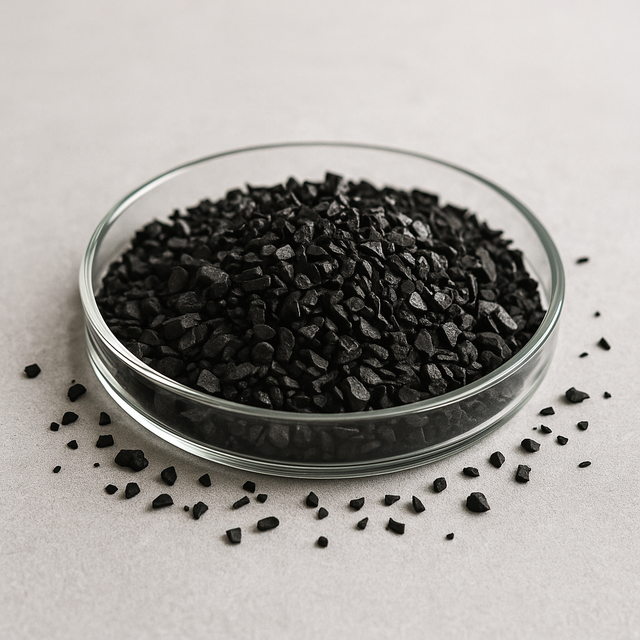
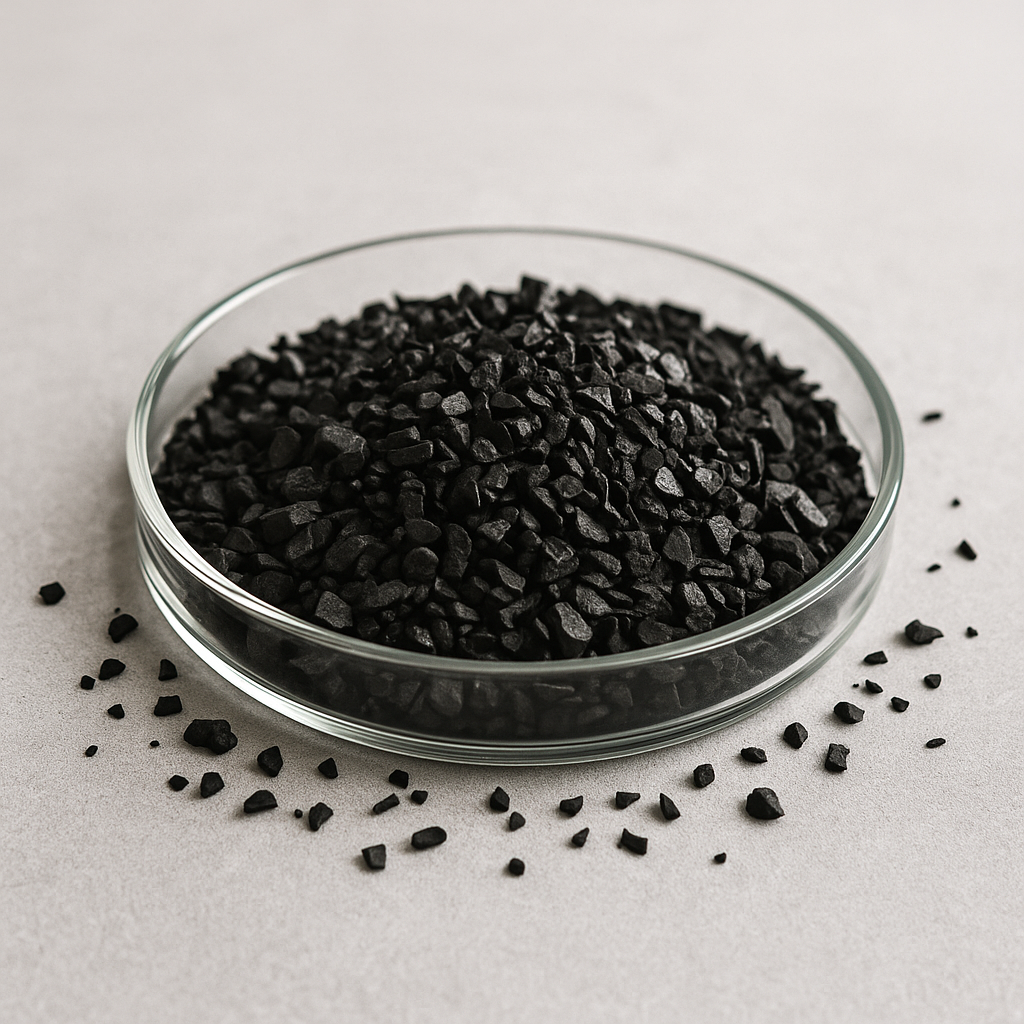
| Physical form | Black granular adsorption media |
| Primary phase | Liquid-phase treatment |
| Common treatment functions | Dechlorination, taste-and-odor control, dissolved-organic adsorption, VOC reduction, and process-water polishing |
| Feedstock | Coal-based carbonaceous material |
| Available packaging | 27.5 lb bags and 1,100 lb supersacks |
Technical-data note: Sorbents Direct does not currently display a grade-specific TDS, SDS, or COA for this listing. Iodine number, hardness, ash, moisture, apparent density, pH, surface area, pore volume, certification status, and other technical properties must be confirmed for the exact supplied grade before qualification or process design.
Packaging & availability
| Package size | Typical use |
|---|---|
| 27.5 lb (12.47 kg) bag | Pilot systems, small vessels, maintenance additions, sampling, and incremental media replacement |
| 1,100 lb (approximately 499 kg) supersack | Production vessels, complete bed changeouts, recurring industrial requirements, and bulk handling systems |
- Mesh options: 8×30 and 12×40
- Bag orders: Suitable for smaller systems, trials, and manual vessel loading
- Supersack orders: Suitable for bulk handling and production-scale carbon requirements
- Freight: Parcel, pallet, or LTL service based on package size, quantity, and destination
- Lead time: Confirmed at quotation or order placement
- Volume purchasing: Contact Sorbents Direct for recurring requirements, pallet quantities, or delivered bulk pricing
System design and sizing guidance
Activated-carbon performance depends on more than total media weight. A properly designed system should account for the contaminant profile, influent concentration, required effluent quality, flow rate, vessel dimensions, bed depth, empty-bed contact time, pressure drop, competing organics, temperature, and replacement strategy.
- Flow rate: Influences hydraulic loading, contact time, and pressure drop
- Empty-bed contact time: Longer contact time generally provides greater opportunity for adsorption and dechlorination
- Bed depth: Adequate depth helps maintain a usable mass-transfer zone and delay breakthrough
- Influent concentration: Higher contaminant loading can shorten media life
- Competing organics: Background organic matter can consume available adsorption capacity
- Particle size: Finer carbon may improve adsorption kinetics but can increase resistance to flow
- Replacement criteria: Effluent testing and breakthrough monitoring provide the best basis for media changeout
Share your flow rate, vessel dimensions, bed depth, target contaminant, influent concentration, and required effluent quality through our contact page for product-selection and preliminary sizing assistance.
Installation and startup considerations
- Inspect the vessel, distributors, screens, underdrain, and retention components before loading
- Confirm that the selected mesh will be retained by the vessel internals
- Load carbon using methods that minimize breakage and airborne dust
- Allow sufficient freeboard if backwashing will be used
- Flush or backwash new carbon as required to remove transport fines and settle the media bed
- Do not place the system into critical service until startup water meets the required quality standard
- Record initial pressure drop and effluent quality to establish an operating baseline
Startup procedures should follow the vessel manufacturer’s instructions, current carbon documentation, and the requirements of the treated process.
Handling & storage
- Store unused activated carbon in a clean, dry, protected area
- Keep bags and supersacks closed until use
- Prevent contamination by oils, solvents, chemicals, moisture, and foreign material
- Minimize dust generation during unloading, transfer, and vessel filling
- Use suitable ventilation and personal protective equipment as directed by the current SDS
- Wet activated carbon can reduce oxygen in enclosed spaces; follow applicable confined-space procedures
- Keep activated carbon away from strong oxidizers and other incompatible materials identified in the SDS
- Handle spent carbon based on the contaminants it has adsorbed and all applicable disposal requirements
Important: The hazards and disposal classification of spent carbon depend on the treated contaminants. Review a current SDS and site-specific handling procedure before use, removal, storage, transportation, reactivation, or disposal.
Reactivation & spent-carbon management
Thermal reactivation may be practical for larger quantities of spent granular activated carbon. Feasibility depends on the volume of carbon, adsorbed contaminants, transportation costs, reactivation losses, regulatory requirements, and whether the material is acceptable to the reactivation facility.
- Characterize spent carbon before transportation or disposal
- Do not assume unused-carbon classifications apply after the carbon has entered service
- Confirm whether the adsorbed contaminants create hazardous-waste or special-handling requirements
- Evaluate reactivation, disposal, or replacement economics based on the specific application
Sorbents Direct can help identify information commonly requested by reactivation and disposal providers, but final acceptance must be confirmed with the applicable facility.
Shipping & support
- Nationwide shipping: Parcel and LTL freight service available throughout the United States
- Freight options: Liftgate, delivery appointment, and other accessorial services may be selected where available
- Small and bulk formats: Package options for pilot systems, maintenance, and production vessels
- Volume purchasing: Support for recurring requirements, pallet quantities, and supersack orders
- Technical assistance: Share your flow, contaminant targets, vessel geometry, and pressure-drop limits for mesh-selection guidance
Why buy from Sorbents Direct?
Activated-carbon selection involves more than choosing a bag size. Sorbents Direct helps industrial buyers compare carbon source, mesh, packaging, freight, documentation, and process requirements before purchase.
- Transparent online pricing on qualifying package sizes and product variants
- Small and bulk formats for trials, maintenance, and full production beds
- Live freight quotes at checkout for eligible shipments
- Manufacturer documentation including SDS, TDS, and COA when available
- Technical selection support based on flow, contaminant targets, bed geometry, and pressure-drop requirements
- Bulk purchasing assistance for recurring industrial requirements
- Real support from people who understand industrial materials
Documentation & quality support
Available documentation may include:
- Safety Data Sheet (SDS)
- Technical Data Sheet (TDS)
- Certificate of Analysis for the supplied production lot, when available
- Particle-size and packaging information
- Food, water, or regulatory documentation where applicable to the selected grade
- Freight and handling information
Specific certifications and compliance claims should not be assumed for this general listing. When NSF/ANSI, drinking-water, food-contact, acid-washed, low-ash, catalytic, or other qualification requirements apply, identify them before ordering so an appropriate grade can be confirmed.
Visit our Documentation Center or contact Sorbents Direct to request current documentation for the required mesh and package size.
Need help choosing the right activated carbon?
The appropriate activated carbon depends on the target contaminant, water chemistry, flow rate, contact-time requirement, vessel design, pressure-drop limit, regulatory requirements, and replacement strategy. Sorbents Direct can help compare coal-based, coconut shell, powdered, pelletized, and specialty activated-carbon options for controlled evaluation.
Questions & answers
What is coal-based granular activated carbon?
Coal-based GAC is a granular adsorption media manufactured from coal-derived carbonaceous material. It is commonly used for municipal and industrial water treatment, dechlorination, taste-and-odor control, VOC adsorption, and dissolved-organic reduction.
What is the difference between 8×30 and 12×40 mesh?
8×30 mesh is coarser and generally provides lower pressure drop. 12×40 mesh is finer and generally provides faster adsorption kinetics, although it may create greater resistance to flow.
Which mesh is better for water treatment?
Both can be suitable. Larger or higher-flow vessels may favor 8×30 mesh, while 12×40 mesh may be selected for polishing systems where faster mass transfer is more important. Vessel design and operating conditions should guide the choice.
What is the difference between coal-based and coconut shell activated carbon?
Coal-based GAC commonly has a broader pore-size distribution and is frequently used for general organic removal and municipal or industrial water treatment. Coconut shell carbon is typically more microporous and is often selected for chlorine, taste-and-odor compounds, VOCs, and many smaller dissolved organics.
Does coal-based GAC remove chlorine?
Yes. Coal-based granular activated carbon is commonly used for dechlorination. Actual performance depends on influent chlorine, pH, temperature, flow rate, contact time, bed depth, and carbon condition.
Can this carbon be used before reverse osmosis?
Yes. GAC is commonly used to reduce free chlorine and selected organics upstream of chlorine-sensitive RO membranes. The system must be designed to meet the membrane manufacturer’s feedwater requirements.
Does coal-based carbon remove chloramine?
Standard GAC may reduce chloramine, but catalytic activated carbon is often preferred for demanding chloramine-removal applications. Confirm the required removal rate, water chemistry, and grade before selection.
Can this carbon be used for drinking water or food and beverage processing?
Coal-based GAC is used in these applications, but the exact supplied grade must meet the required certification, purity, and regulatory standards. Request the applicable documentation before ordering.
Does coal-based GAC remove PFAS?
Some coal-based carbons can adsorb certain PFAS compounds, but performance is highly dependent on the grade, PFAS profile, water chemistry, bed design, and competing organic matter. Use a product specifically evaluated for the target application.
How much activated carbon do I need?
The required quantity depends on vessel volume, bed depth, carbon density, flow rate, empty-bed contact time, contaminant concentration, and desired service life. Provide your vessel and operating data for preliminary sizing support.
How long will the carbon last?
Service life varies with influent loading, competing organics, flow, contact time, bed depth, carbon grade, and the required effluent quality. Breakthrough monitoring is the most reliable basis for replacement.
Should new GAC be rinsed or backwashed?
New granular carbon commonly requires flushing or backwashing to remove transport fines and settle the bed. Follow the vessel instructions and current carbon documentation before placing the system into service.
Can spent carbon be reactivated?
Some spent GAC can be thermally reactivated. Feasibility depends on quantity, adsorbed contaminants, transportation, acceptance by the reactivation facility, and overall economics.
What package sizes are available?
The currently listed formats are 27.5 lb bags and 1,100 lb supersacks. Availability should be confirmed for the required mesh and exact carbon grade.
Is freight included in the product price?
Freight is generally separate. Shipping may be calculated by parcel or LTL depending on package size, quantity, destination, and delivery requirements.
What documentation is available?
SDS, TDS, and lot-specific COA documentation may be available for the selected grade. Regulatory or certification documents should be requested before ordering when required.
Related products & resources
Coal-Based Granular Activated Carbon (GAC) – 8×30 & 12×40 Mesh