-
 Request a Custom Quote
Don’t see what you need? We can source it. 

Ultra-Clear® Attapulgite Clarification Media for Fuels & Oils
From $17500Unit price /Unavailable-

Coal-Based Granular Activated Carbon (GAC) – 8x30 & 12x40 Mesh
From $17098Unit price /Unavailable 
4 mm Pelletized Activated Carbon - VOC & Industrial Air Treatment
From $21598Unit price /Unavailable
Select 450 Selective Silicate Adsorbent for Oils & Biodiesel
1000.0 lb
$3,82900Unit price /Unavailable-
-
Pure-Flo® Supreme 55 Bleaching Earth for Edible Oil Refining
1000.0 lb
$1,71900Unit price /Unavailable -
Select 350 Selective Silicate Adsorbent for Oils & Biodiesel
1000.0 lb
$3,74900Unit price /Unavailable -
Coconut Shell Granular Activated Carbon (GAC) - 8x30 & 12x40 Mesh
From $21298Unit price /Unavailable -

Food-Grade Coconut Shell Powdered Activated Carbon (PAC) - 80x325 Mesh, Acid-Washed
From $28098Unit price /Unavailable -
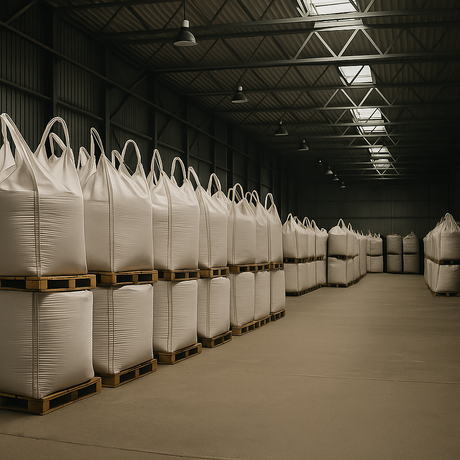
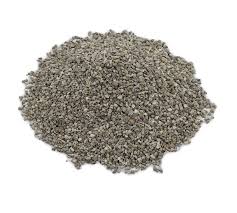

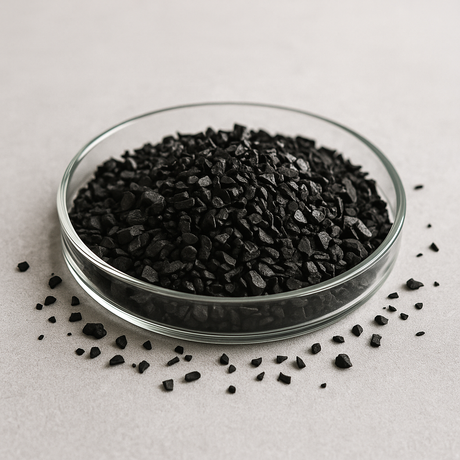
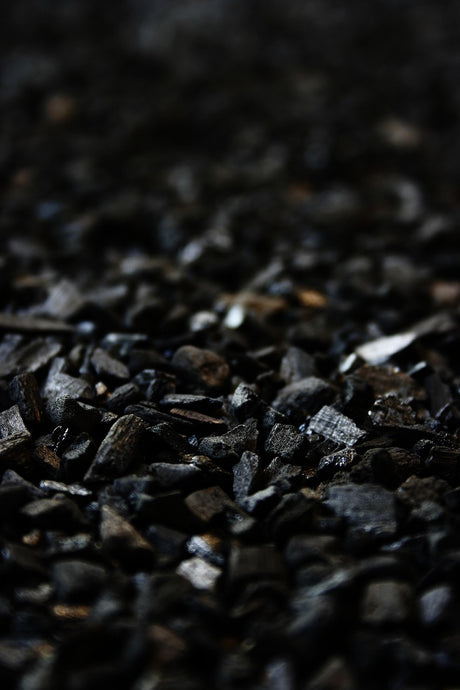

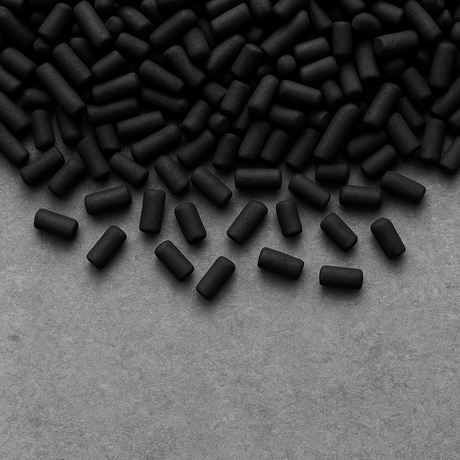


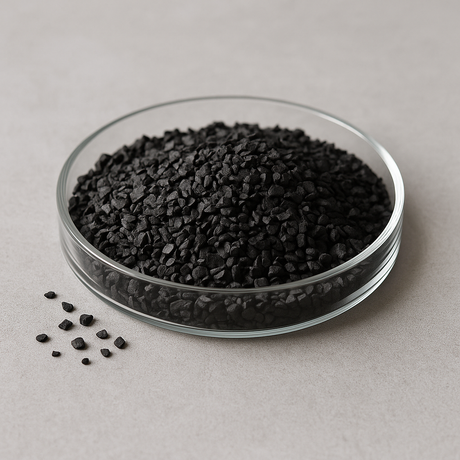
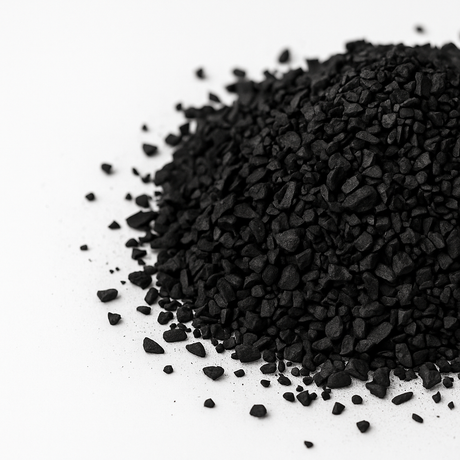

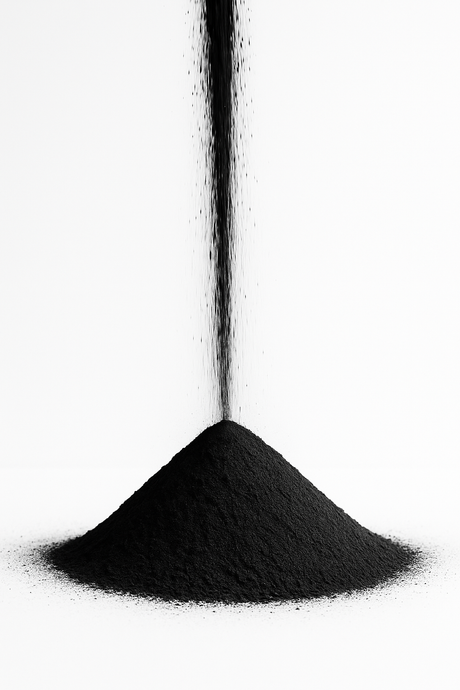
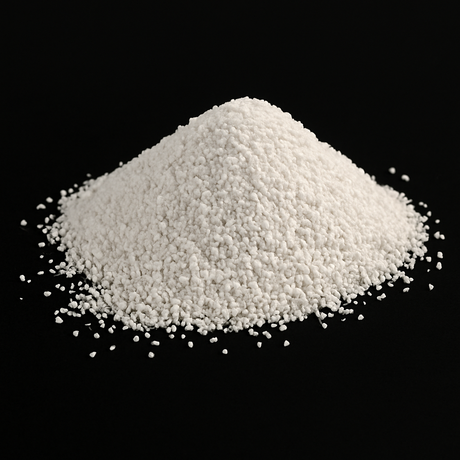

Industrial Sorbents for Odor, VOC & Gas-Phase Contaminant Control
Odor control sorbents capture unwanted gases and vapors from industrial air and process streams through adsorption or other media-specific interactions. Common targets include volatile organic compounds (VOCs), hydrogen sulfide (H₂S), mercaptans, ammonia, hydrocarbons, solvent vapors, and other odor-producing compounds.
Activated carbon is one of the most widely used gas-phase adsorbents because its porous structure provides extensive internal surface area for contaminant capture. Pelletized carbon, granular activated carbon, zeolites, and specialty adsorbents may also be selected depending on contaminant chemistry, concentration, humidity, airflow, pressure drop, and required service life.
Odor Control Media Comparison
| Media Type | Common Targets | Typical Applications | Key Selection Factors |
|---|---|---|---|
| Granular Activated Carbon (GAC) | VOCs, odors, hydrocarbons and many organic vapors | Air treatment vessels, odor control beds, industrial exhaust and process vents | Pore structure, carbon base, particle size, humidity, contact time and target compound |
| Pelletized Activated Carbon | VOCs, solvent vapors, odors and selected gas-phase contaminants | Fixed beds, vapor-phase treatment, HVAC and industrial air systems | Pellet diameter, pressure drop, hardness, airflow and residence time |
| Impregnated Carbon | Selected reactive gases including certain sulfur compounds and other difficult contaminants | Wastewater odor control, specialty gas treatment and industrial exhaust | Impregnant chemistry, contaminant identity, humidity, temperature and concentration |
| Zeolites | Ammonia, moisture and selected polar or size-compatible molecules | Industrial air treatment, environmental applications and specialty adsorption systems | Pore structure, ion form, target molecule, humidity and regeneration requirements |
| Mineral & Specialty Adsorbents | Application-specific odors, moisture and selected gaseous contaminants | Industrial facilities, process treatment and specialized odor-control systems | Media chemistry, contaminant profile, loading, airflow and system design |
Common Industrial Odor Control Applications
Wastewater & Sewer Odor Control
Activated carbon and specialty gas-phase media may be used in headworks, lift stations, sludge-handling areas, enclosed treatment equipment, and ventilation systems where hydrogen sulfide and other nuisance odors are present.
Industrial Exhaust & Process Vents
Carbon beds can capture VOCs, solvent vapors, hydrocarbons, and other organic compounds from localized exhaust and process ventilation before air is discharged or recirculated.
Manufacturing Facilities
Adsorptive media can support point-source odor control around production equipment, mixing operations, storage areas, process tanks, and other areas where nuisance vapors are generated.
Composting & Organics Processing
Gas-phase adsorbents may be used as polishing media after primary ventilation or biological treatment to reduce residual odors from organic-processing operations.
HVAC & Indoor Air Treatment
Activated carbon and other adsorbent media can be incorporated into air-treatment systems where odor reduction or VOC adsorption is needed beyond ordinary particulate filtration.
Chemical & Solvent Handling
Carbon media are commonly evaluated for solvent vapors and process-generated VOCs where contaminant identity, concentration, airflow, and environmental conditions are known.
Odor Control vs. Particulate Filtration
Odor control and particulate filtration solve different problems. Standard particulate filters capture dust, aerosols, and suspended solids, while gas-phase adsorbents are selected to capture molecules such as VOCs and odor-producing vapors.
Many industrial systems use both: a particulate prefilter protects the adsorbent bed, while activated carbon or another gas-phase media handles the vapor-phase contaminant.
For solids removal, filter aids, clarification, and physical filtration media, see our Industrial Filtration Media & Sorbents.
How to Select an Odor Control Sorbent
1. Identify the Contaminant
Odor alone is not enough to select media. Whenever possible, identify the primary compound or compound family: VOC, hydrocarbon, solvent vapor, hydrogen sulfide, mercaptan, ammonia, or another gas.
2. Determine the Contaminant Concentration
Media requirements can differ significantly between low-level polishing and high-load treatment. Concentration influences required bed depth, media quantity, expected service life, and change-out frequency.
3. Measure Airflow & Contact Time
Gas-phase adsorption requires adequate contact between the contaminated air and the media. Excessive flow or an undersized bed can reduce removal efficiency even when the correct adsorbent is being used.
4. Account for Humidity
Moisture can compete for adsorption sites or alter contaminant behavior. Relative humidity is therefore an important design variable for activated carbon, zeolites, and specialty odor-control media.
5. Consider Pressure Drop
Particle size and physical form affect resistance to airflow. Pelletized media are often useful where low pressure drop and mechanical durability are important, while granular media provide other advantages depending on vessel and contaminant requirements.
6. Define the Required Outlet Condition
A nuisance-odor objective may require a different design than a regulated emission limit or process specification. Establish the required removal target before estimating media capacity or service life.
Activated Carbon for VOC & Odor Removal
Activated carbon is widely used for gas-phase adsorption because its internal pore network can retain many organic vapors and odor-producing compounds.
Carbon performance varies according to feedstock, activation method, pore-size distribution, surface chemistry, particle size, humidity, temperature, contaminant concentration, and residence time.
Coconut-shell, coal-based, powdered, granular, and pelletized carbons are therefore not interchangeable. The most appropriate grade depends on both the contaminant and the equipment in which the media will operate.
Pelletized vs. Granular Activated Carbon
Pelletized Carbon
Extruded carbon pellets provide uniform geometry, good mechanical strength, and relatively predictable airflow characteristics, making them well suited to many vapor-phase beds and air-treatment systems.
Granular Activated Carbon
GAC is available across multiple mesh ranges and carbon bases and can be used in both liquid- and vapor-phase systems depending on the specific grade and process design.
Neither form is automatically superior. Selection should account for adsorption performance, contaminant identity, required contact time, bed geometry, pressure drop, hardness, dust generation, and change-out requirements.
Hydrogen Sulfide & Sulfur Odor Control
Hydrogen sulfide and mercaptans can require different media selection than general organic VOC adsorption. Standard activated carbon may provide some adsorption depending on conditions, while chemically treated or impregnated media can be selected where additional reactivity toward specific sulfur compounds is required.
Media selection should be based on the actual contaminant, concentration, airflow, humidity, temperature, and desired outlet level rather than assuming all activated carbons perform equally against sulfur odors.
Ammonia & Polar Gas Adsorption
Ammonia behaves differently from many organic VOCs and may require zeolitic, chemically modified, or other application-specific adsorbents depending on the process.
Zeolites and molecular-sieve materials have selective adsorption properties related to pore structure, polarity, and ion composition, but the appropriate grade should be verified against the specific gas stream and operating conditions.
Adsorption vs. Odor Neutralization
Many industrial odor-control systems work through adsorption, where contaminant molecules are retained on the surface and within the pores of an adsorbent.
Chemical neutralization is a different mechanism involving reaction with the contaminant. Some specialty or impregnated media can combine adsorption with chemical reaction, but these terms should not be treated as interchangeable.
For a broader explanation of adsorption mechanisms, see our Adsorption vs. Absorption guide.
Frequently Asked Questions About Odor Control Sorbents
What sorbent is best for odor removal?
Activated carbon is one of the most widely used odor-control adsorbents, particularly for organic vapors and VOCs. The best media depends on the specific odor-producing compound, concentration, humidity, airflow, temperature, and treatment objective.
Does activated carbon remove VOCs?
Activated carbon can adsorb many VOCs, but adsorption capacity varies substantially between compounds and carbon grades. Molecular size, boiling point, concentration, humidity, pore structure, and contact time all affect performance.
Does activated carbon remove hydrogen sulfide?
Certain activated carbon products can be used for hydrogen sulfide treatment, particularly grades designed or treated for sulfur-containing gases. Performance should be verified against concentration, humidity, airflow, and the specific carbon grade.
Can zeolites remove ammonia odors?
Certain zeolitic materials can adsorb or exchange ammonia-related species depending on structure, ion form, moisture conditions, and application. Product-specific performance should be confirmed before selection.
What is the difference between VOC filtration and particulate filtration?
Particulate filtration physically captures particles such as dust and aerosols. VOC treatment requires a gas-phase adsorbent or other treatment technology capable of interacting with individual vapor molecules.
How long does activated carbon last in an odor-control system?
Service life depends on contaminant type and concentration, airflow, humidity, temperature, bed depth, carbon grade, competing compounds, and required outlet concentration. There is no universal change-out interval.
Can odor-control carbon be regenerated?
Some spent activated carbon can be industrially reactivated depending on contaminant loading, carbon type, economics, and applicable handling requirements. Reactivation suitability should be evaluated for the specific application.
Bulk Odor Control Media & Technical Support
Sorbents Direct supplies activated carbon, pelletized carbon, granular media, zeolites, and related adsorbents for industrial odor control, VOC treatment, air purification, wastewater applications, and gas-phase contaminant removal.
For a material recommendation, provide the target contaminant if known, approximate concentration, airflow, humidity, temperature, vessel dimensions or existing media, required outlet condition, and estimated media quantity.
Need Help Selecting Odor Control Media?
Tell us what you're trying to remove, the airflow and operating conditions, your current media if applicable, and the quantity required. We'll help narrow suitable adsorbent families and commercially available grades.


