-
 Request a Custom Quote
Don’t see what you need? We can source it. 

Ultra-Clear® Attapulgite Clarification Media for Fuels & Oils
From $17500Unit price /Unavailable-

Coal-Based Granular Activated Carbon (GAC) – 8x30 & 12x40 Mesh
From $17098Unit price /Unavailable 
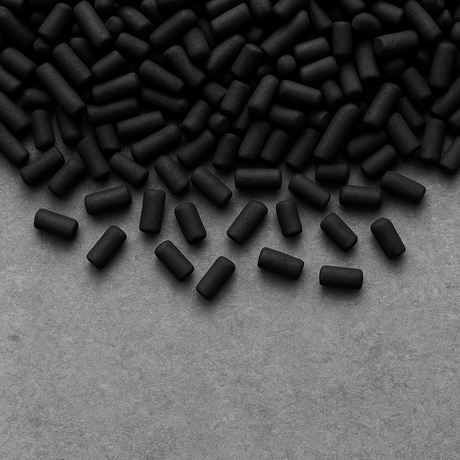
4 mm Pelletized Activated Carbon - VOC & Industrial Air Treatment
From $21598Unit price /Unavailable-
Microsorb® Attapulgite Adsorbent & Filtration Media
From $20000Unit price /Unavailable 
Pure-Flo® B80 Natural Bleaching Adsorbent High-Performance Clay for Edible Oil Refining
From $8800Unit price /Unavailable

DYNOCEL® 600 Activated Alumina for Water & Process Purification
1800.0 lb
$7,20000Unit price /Unavailable-
Dicalite 4200 DE Filter Aid for General Liquid Clarification
From $99500Unit price /Unavailable -
Dicalite Speedplus A Fine DE Filter Aid for Liquid Clarification
From $99500Unit price /Unavailable -
13X 4×8 Molecular Sieve for CO₂ & Gas Purification
From $48200Unit price /Unavailable -
3A 8x12 Molecular Sieve Desiccant High-Performance Zeolite for Industrial Drying
From $46200Unit price /Unavailable 
4A 4×8 Blue Indicating Molecular Sieve Desiccant
From $1,88700Unit price /Unavailable-
4A 8×12 Molecular Sieve Desiccant for Gas & Liquid Drying
From $45100Unit price /Unavailable -

Food-Grade Coconut Shell Powdered Activated Carbon (PAC) - 80x325 Mesh, Acid-Washed
From $28098Unit price /Unavailable -
Coconut Shell Granular Activated Carbon (GAC) - 8x30 & 12x40 Mesh
From $21298Unit price /Unavailable 
CHROMATOCEL® S-060 Silica Gel for Chromatography & Purification
From $62500Unit price /Unavailable-
CHROMATOCEL® S-200 Silica Gel for Chromatography & Purification
1102.0 lb
$6,25000Unit price /Unavailable -
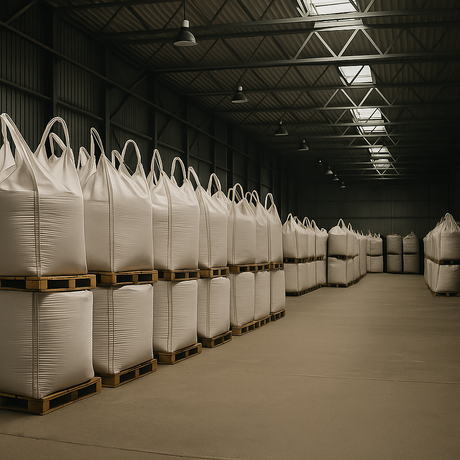

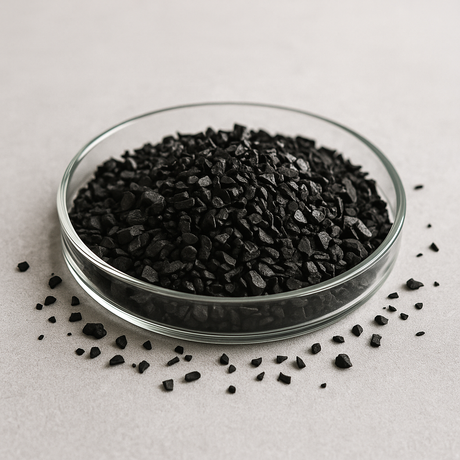




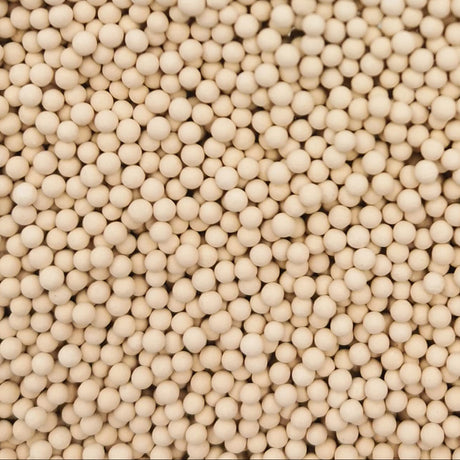

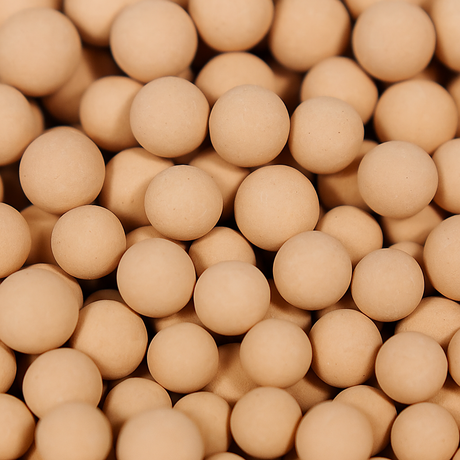

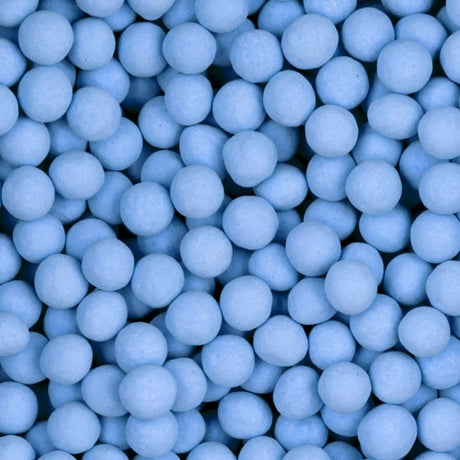

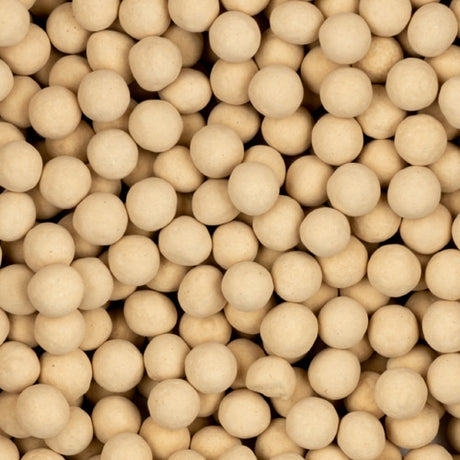


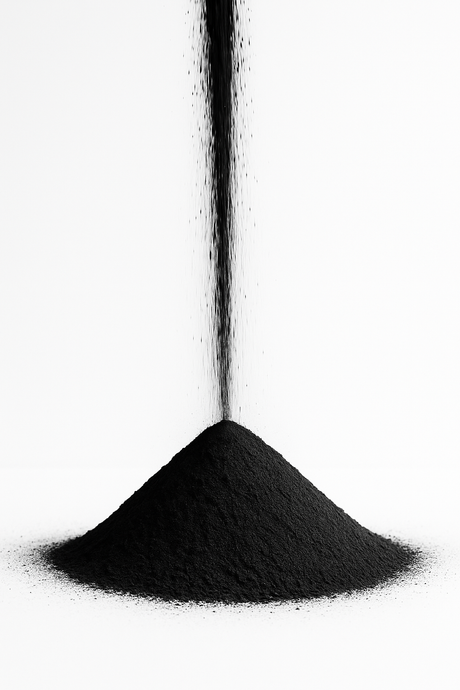
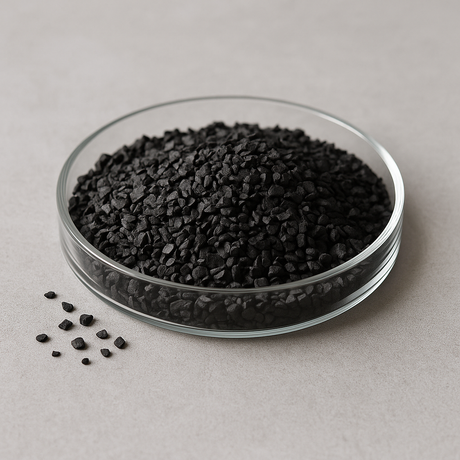
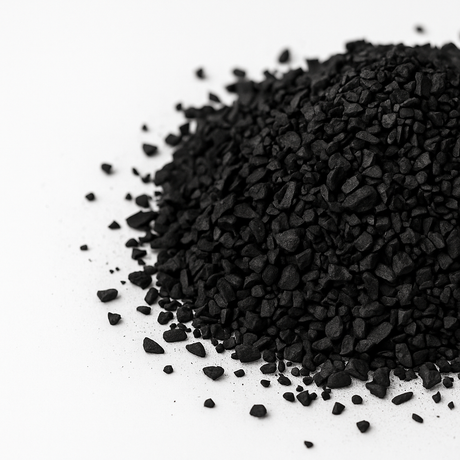
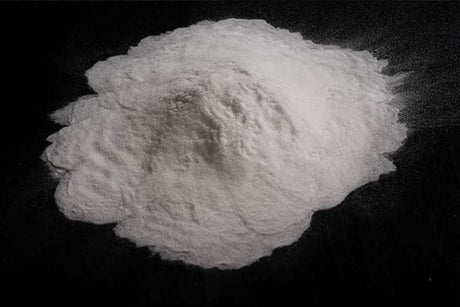


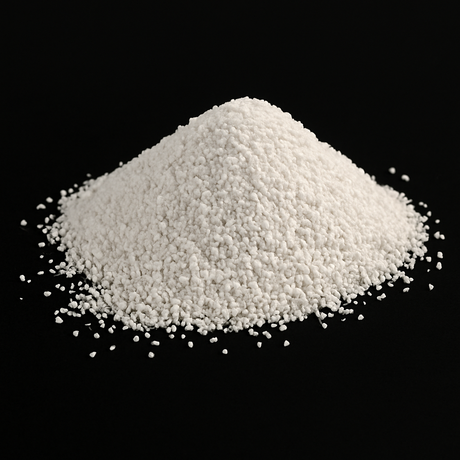

Filtration & Purification Media for Cannabis Extraction
Sorbents Direct supplies industrial clays, silica, activated alumina, molecular sieves, activated carbon, and filtration media for cannabis extraction and refinement workflows. These materials support adsorption, clarification, solvent drying, chromatography, and process purification with published technical specifications and industrial supply formats.
Common Process Functions
- Clarification & adsorption: Clay and mineral adsorbents can remove selected color bodies, polar compounds, and process impurities from compatible streams.
- Chromatography & separation: Silica and alumina media can support separation and polishing steps where particle size, surface chemistry, and pore structure matter.
- Solvent drying: Molecular sieves can reduce residual moisture in compatible solvent and process streams.
- Liquid polishing: Activated carbon can adsorb selected dissolved organics, color, and odor compounds in compatible treatment systems.
Material Options
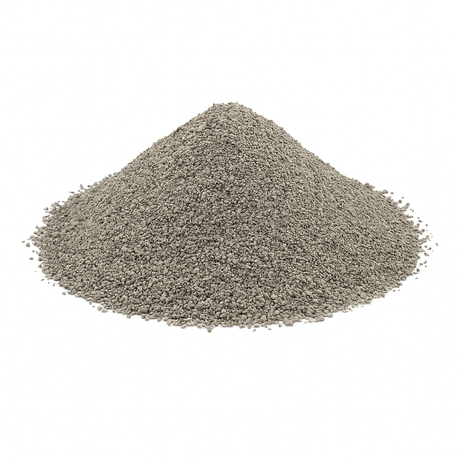
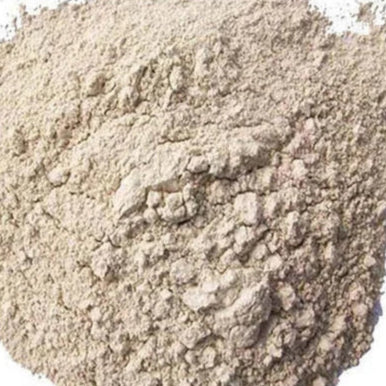
- Attapulgite & bleaching clays: Mineral adsorbents for clarification and application-specific impurity removal.
- Silica gel: High-surface-area media for chromatography, separation, and polishing applications.
- Activated alumina: Porous adsorbent for selected polar contaminants and purification applications.
- Molecular sieves: 3A and 4A zeolite media for moisture control and solvent drying.
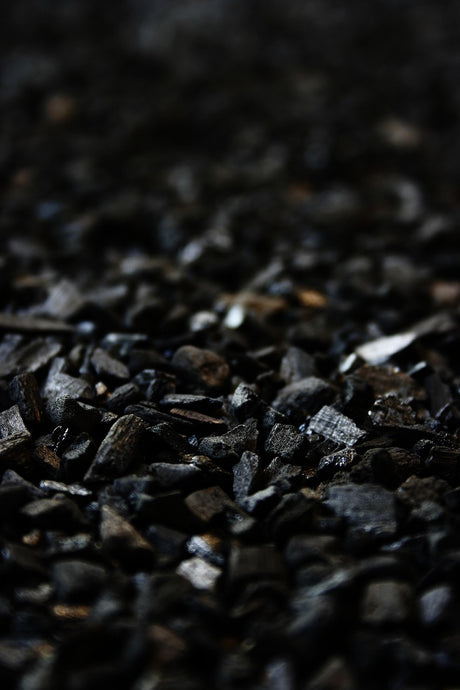
- Activated carbon: Powdered and granular formats for compatible liquid-phase adsorption and polishing.
Select Media by Function, Not Branding
Different media solve different process problems. Clay, silica, alumina, molecular sieve, and activated carbon should be compared by chemistry, particle size, surface area, pore structure, adsorption behavior, and compatibility with the process. Product names alone are not a substitute for technical specifications or application testing.
How to Compare Clay & Mineral Media
- Particle size: Mesh and particle distribution affect flow, filtration behavior, pressure drop, and solids removal.
- Surface activity: Natural, activated, and specialty clays can behave differently depending on chemistry and target impurities.
- Dosage & contact: Performance depends on process conditions, media loading, residence time, and filtration setup.
- Documentation: Review TDS, SDS, COA, and available manufacturer specifications before qualifying a grade.
How to Compare Drying & Purification Media
- 3A molecular sieve: Highly selective for water where exclusion of larger molecules is important.
- 4A molecular sieve: Broader adsorption than 3A for compatible drying applications.
- Activated alumina: Regenerable media for selected drying and purification duties.
- Activated carbon: Selected by target contaminant, pore structure, feedstock, particle size, and treatment phase.
Qualification Matters
Industrial sorbents are commonly specified by measurable properties such as chemistry, mesh range, surface area, pore characteristics, moisture, bulk density, and lot-specific quality data. The appropriate grade should be validated in the actual process rather than selected solely by color, marketing category, or another supplier's trade name.
Get Technical Support
Comparing a current filtration or purification media? Share the product you use today, target function, process conditions, and required volume. We can help identify technically comparable industrial materials and provide available SDS, TDS, and COA documentation.
Request a Material Match or Bulk Quote


