
-
 Request a Custom Quote
Don’t see what you need? We can source it. -

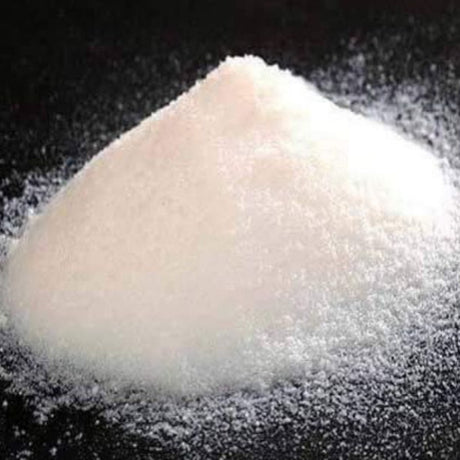
Tixosil® 68B FCC Precipitated Silica for Food & Powder Flow
27.55 lb
$15625Unit price /Unavailable 

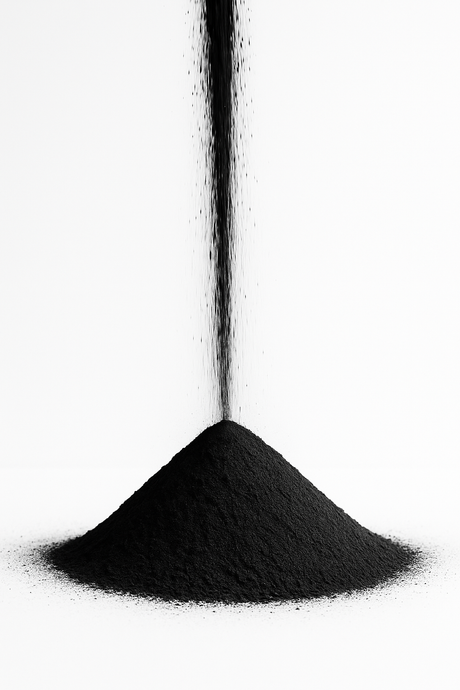
Food-Grade Coconut Shell Powdered Activated Carbon (PAC) - 80x325 Mesh, Acid-Washed
From $28098Unit price /Unavailable


Supplement Formulation & Processing Aids
Functional materials such as precipitated silica and food-grade activated carbon can support selected dietary supplement and nutraceutical manufacturing processes. Depending on the grade and application, these materials may be used for powder flow, anti-caking, liquid carrying, blending support, or purification steps during ingredient and product processing.
Common Processing Functions
- Powder flow: Appropriate precipitated silica grades can help reduce cohesion and improve movement through hoppers, feeders, blending equipment, and packaging lines.
- Anti-caking: Fine silica can help manage particle interactions and surface moisture in compatible dry blends.
- Carrier functionality: Porous silica can absorb compatible liquid components and help convert them into more manageable dry powders.
- Purification support: Food-grade activated carbon may be used in selected ingredient or process-liquid purification applications where its adsorption characteristics are appropriate.
Where These Materials May Fit
- Powdered supplements: Flow and anti-caking support in dry ingredient blends.
- Premixes: Carrier materials for compatible oils, flavors, nutrients, or other liquid components prior to blending.
- Ingredient processing: Adsorptive purification or polishing steps where food-grade activated carbon is suitable for the process.
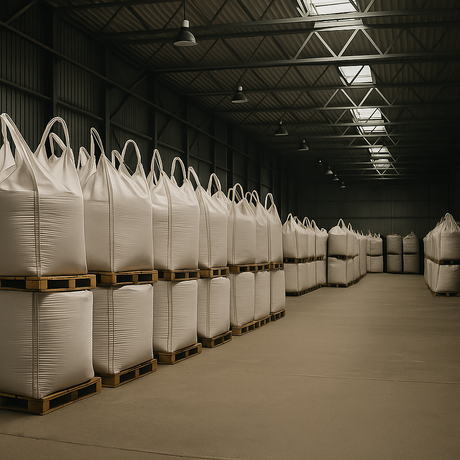
- Scale-up & manufacturing: Bulk materials for processes requiring documented particle characteristics and repeatable handling behavior.
Formulation Use Is Grade-Specific
A material being silica or activated carbon does not automatically make every grade appropriate for supplement manufacturing. Purity, particle size, manufacturing controls, regulatory status, documentation, intended use, and compatibility with the finished formulation should be reviewed for the exact product grade.
Precipitated Silica for Powder Handling
- Flow support: Fine silica can reduce cohesive interactions in compatible powders and improve handling consistency.
- Anti-caking: Appropriate grades may help maintain freer-flowing powder during storage and processing.
- Liquid carrying: High-porosity grades can absorb compatible liquid ingredients while maintaining a dry, flowable form.
- Selection factors: Particle size, oil absorption, bulk density, pore structure, and dosage can all influence performance.
Food-Grade Activated Carbon
- Adsorptive purification: Powdered activated carbon can adsorb certain dissolved organics, color bodies, odors, and other compatible compounds.
- Batch treatment: PAC is commonly dispersed into a process liquid, given sufficient contact time, and then removed by filtration.
- Carbon selection: Feedstock, pore distribution, particle size, purity, ash, and surface chemistry affect adsorption behavior.
- Process validation: Carbon should be evaluated against the actual target compound and finished-product requirements before scale-up.
Flow Aid, Carrier & Purification Are Different Functions
Precipitated silica and activated carbon may both appear in supplement-related processing, but they perform very different jobs. Silica is generally evaluated for physical functions such as powder handling, anti-caking, or liquid carrying, while activated carbon is selected for adsorptive purification. Material choice should start with the specific process problem rather than the broad product category.
How to Select a Supplement Processing Aid
- Define the function: Determine whether you need better flow, reduced caking, liquid carrying, purification, or another process benefit.
- Review the formulation: Consider ingredient chemistry, moisture sensitivity, liquid content, particle size, and finished-product format.
- Compare technical properties: Particle size, absorption value, bulk density, pore structure, purity, and surface characteristics can affect performance.
- Determine dosage: Evaluate the minimum effective loading needed without negatively affecting texture, flow, appearance, or processing.
Qualification & Documentation
- Use the exact grade: Suitability should be based on manufacturer documentation for the specific product rather than the material family alone.
- Review specifications: Confirm purity, particle properties, applicable certifications, and any use limitations.
- Request documentation: SDS, TDS, COA, and other available supplier documentation can support internal qualification.
- Validate before scale-up: Test flow, loading, filtration, compatibility, and finished-product performance under actual process conditions.
Silica Selection Is More Than Chemical Composition
Two precipitated silica grades can behave very differently even though both are silicon dioxide. Particle morphology, pore volume, oil absorption, bulk density, surface area, moisture, and particle-size distribution can all influence flow, carrying capacity, texture, and processing behavior.
Need Help Selecting a Supplement Processing Material?
Tell us the function you're trying to achieve, your formulation or process type, current material if applicable, target properties, required quantity, and any documentation requirements. We can help narrow suitable silica or activated-carbon grades.
Request a Material Recommendation or Bulk Quote


