-
 Request a Custom Quote
Don’t see what you need? We can source it. 

Sphag-Sorb® Peat Moss Absorbent – Oil & Fuel Spill Control
From $1,87500Unit price /Unavailable

65 Gallon Hazmat Spill Kit | Chemical & Hazardous Spill Control
100.0 lb
$75999Unit price /Unavailable-
65 Gallon Oil-Only Spill Kit | Oil & Hydrocarbon Spill Control
100.0 lb
$72999Unit price /Unavailable -
65 Gallon Universal Spill Kit | Oil, Coolant & Water Spill Control
100.0 lb
$74999Unit price /Unavailable -
20 Gallon Hazmat Spill Kit | Chemical & Hazardous Spill Control
23.7 lb
$42999Unit price /Unavailable -
20 Gallon Oil-Only Spill Kit – Oil & Hydrocarbon Spill Control
23.7 lb
$32499Unit price /Unavailable -
20 Gallon Universal Spill Kit – Oil, Coolant & Water Spill Control
23.7 lb
$33999Unit price /Unavailable -
-
Oil-Only Compact Spill Kit | Petroleum & Hydrocarbon Spill Control
7.0 lb
$5999Unit price /Unavailable -
Universal Compact Spill Kit | Oil, Coolant & Water Spill Control
7.0 lb
$6999Unit price /Unavailable -
Hazmat Absorbent Pillows – 18" x 18" | Chemical & Hazardous Spill Control
From $9499Unit price /Unavailable -
Oil-Only Absorbent Pillows – 18" x 18" | Oil & Fuel Spill Control
From $6499Unit price /Unavailable -
Universal Absorbent Pillows – 18" × 18" | Oil, Coolant & Water Spill Control
From $8699Unit price /Unavailable -
Hazmat Absorbent Socks – 3" x 48" | Chemical & Hazardous Spill Control
From $2899Unit price /Unavailable -
Oil-Only Absorbent Socks – 3" x 48" | Oil & Petroleum Spill Control
From $2999Unit price /Unavailable -
Universal Absorbent Socks - 3" x 48" | Oil, Water & Coolant Spill Control
From $4599Unit price /Unavailable 

Gran-sorb® Cellulose Granular Absorbent – Spill Control & Hazardous Cleanup
From $96000Unit price /Unavailable


Environmental Sorbents & Remediation Media
Environmental sorbents are used to capture, adsorb, contain, or remove contaminants from water, soil, industrial liquids, and spill environments. Depending on the application, treatment media may include activated carbon, mineral adsorbents, natural absorbents, cellulose-based materials, zeolites, and other specialized sorbents.
Material selection should begin with the contaminant and treatment objective rather than the sorbent family alone. Hydrocarbons, dissolved organics, metals, ammonia, suspended liquids, and chemical spills can require very different adsorption, absorption, filtration, or containment strategies.
Common Environmental Sorbent Applications
Hydrocarbon Spill Cleanup
Natural, cellulose, mineral, and synthetic absorbents can be used to contain and recover oils, fuels, lubricants, and other compatible hydrocarbon liquids from industrial and outdoor environments.
Contaminated Water Treatment
Activated carbon and other appropriate adsorbents may be used to reduce selected dissolved organic contaminants, odors, hydrocarbons, and other compounds from groundwater, process water, or wastewater.
Soil & Site Remediation
Sorbent media may be incorporated into remediation systems for contaminant immobilization, adsorption, liquid recovery, or treatment of excavated materials depending on the contaminant and remediation design.
Industrial Spill Response
Bulk absorbents, pads, socks, booms, and spill kits help contain releases before liquids migrate into drains, soil, waterways, or surrounding work areas.
Odor & Vapor Control
Activated carbon and other application-specific media may be used for adsorption of VOCs, odors, sulfur compounds, and selected vapors in suitable environmental or industrial air-treatment systems.
Wastewater & Process Treatment
Carbon, zeolites, mineral media, and filtration materials may support polishing, contaminant reduction, and solids management where their individual properties match the treatment objective.
Environmental Sorbent Selection at a Glance
| If You Need To... | Start By Evaluating... | Key Considerations |
|---|---|---|
| Absorb spilled oil or fuel | Oil-compatible bulk or selective absorbents | Liquid type, water exposure, absorbency, containment and disposal |
| Capture general industrial liquids | Cellulose, mineral or universal absorbents | Chemical compatibility, capacity, handling and cleanup method |
| Remove dissolved organics from water | Activated carbon | Contaminant identity, concentration, carbon grade, contact time and water chemistry |
| Reduce selected ions or ammonia | Appropriate zeolite or ion-selective media | Ion identity, competing species, concentration, pH and media selectivity |
| Control VOCs or environmental odors | Activated carbon or specialty gas-phase adsorbent | Compound identity, humidity, airflow, residence time and breakthrough |
| Respond to an active facility spill | Application-compatible spill absorbents or kits | Fluid compatibility, spill volume, containment, PPE and disposal plan |
Bulk Absorbents for Environmental Cleanup
Granular and loose-fill absorbents are useful when spilled liquids need to be captured across irregular surfaces, outdoor areas, industrial floors, or other locations where pads and socks alone may not provide practical coverage.
Natural and cellulose-based sorbents vary considerably in density, absorption behavior, liquid compatibility, handling characteristics, and disposal requirements. Material choice should therefore be based on the actual spilled liquid and cleanup environment.
Activated Carbon for Environmental Remediation
Activated carbon is widely used for adsorption of many dissolved and vapor-phase organic compounds. Environmental applications can include groundwater treatment, wastewater polishing, vapor treatment, odor control, and other contaminant-removal systems where the carbon grade and operating conditions are appropriate.
Carbon performance depends on contaminant chemistry, pore structure, particle size, concentration, contact time, competing compounds, temperature, humidity, and treatment-system design.
Browse our Activated Carbon collection for available granular, powdered, and pelletized grades.
Adsorption, Absorption & Containment Are Different
Environmental cleanup often uses several different sorbent mechanisms. Activated carbon primarily adsorbs molecules onto internal and external surfaces, while many spill-control materials absorb liquids into their bulk structure.
Containment products such as socks and booms may also be used to stop migration before the spilled material is fully recovered. Understanding the treatment mechanism helps avoid selecting a material simply because it is broadly labeled a “sorbent.”
Environmental Spill Cleanup vs. Remediation
| Response Type | Primary Objective | Typical Materials |
|---|---|---|
| Immediate Spill Response | Stop migration and recover free liquid | Granular absorbents, pads, socks, booms, pillows and spill kits |
| Water Treatment | Reduce dissolved or suspended contaminants | Activated carbon, selected minerals, zeolites and filtration media |
| Soil or Site Remediation | Immobilize, remove, treat or manage contaminants | Application-specific adsorbents, amendments and remediation media |
| Vapor & Odor Treatment | Adsorb selected gaseous contaminants | Activated carbon and specialty gas-phase media |
How to Select an Environmental Sorbent
1. Identify the Contaminant
Determine whether the target is petroleum, a dissolved organic compound, an ion, a chemical liquid, wastewater contaminant, odor, vapor, or another substance.
2. Determine the Phase
Soil, groundwater, wastewater, free liquid, vapor, and surface spills require different treatment approaches and media forms.
3. Define the Objective
Decide whether the goal is containment, physical liquid recovery, adsorption, immobilization, filtration, polishing, or another treatment mechanism.
4. Evaluate Site Conditions
pH, temperature, water chemistry, competing contaminants, soil characteristics, flow rate, humidity, and contact time can all affect performance.
5. Review Compatibility & Disposal
A sorbent that is compatible with one contaminant may not be appropriate for another. Spent media also inherits characteristics of the material it captures and must be handled according to applicable requirements.
6. Validate the Treatment Approach
Environmental remediation projects should be evaluated against the actual contaminant profile, regulatory objectives, treatment design, and site-specific performance requirements.
Environmental Sorbents for Water & Wastewater
Water-treatment applications often require more selective media than spill cleanup. Activated carbon, zeolites, alumina, and other adsorbents may be useful for specific contaminants, but suitability must be evaluated against water chemistry and the individual product grade.
For additional treatment-media options, visit our Water & Wastewater Sorbents collection.
Environmental Spill Response Materials
For active releases, the immediate priority is often containment and recovery rather than long-term remediation. Spill-control products can help limit migration into drains, soil, waterways, traffic areas, and adjacent equipment.
Browse Spill Control for Universal, Oil-Only, Hazmat, granular, and kit-based response options.
Frequently Asked Questions About Environmental Sorbents
What is an environmental sorbent?
An environmental sorbent is a material used to capture, adsorb, absorb, immobilize, or remove contaminants during spill response, water treatment, remediation, or environmental-control processes.
What sorbent is best for an oil spill?
The best material depends on where the spill occurred, the type of oil or fuel, whether water is present, spill volume, cleanup method, and disposal requirements. Oil-selective materials are especially useful where water should not be absorbed.
Can activated carbon be used for groundwater treatment?
Activated carbon is widely used for many dissolved organic contaminants in water, but treatment performance depends on the specific contaminant, carbon grade, concentration, water chemistry, contact time, and system design.
Are zeolites used in environmental treatment?
Certain zeolites can adsorb or exchange selected ions and may be useful in specific water or wastewater treatment applications. Performance depends on zeolite type, target ion, competing species, and process conditions.
What is the difference between an adsorbent and an absorbent?
Adsorbents retain molecules primarily on surfaces and within pores, while absorbents take liquids into the bulk volume of the material. Both are forms of sorbents.
Can used spill absorbent be thrown away normally?
Disposal depends on what the sorbent captured and the applicable waste requirements. The sorbent does not make a hazardous or regulated liquid inherently nonhazardous simply by absorbing it.
Bulk Environmental Sorbents & Cleanup Media
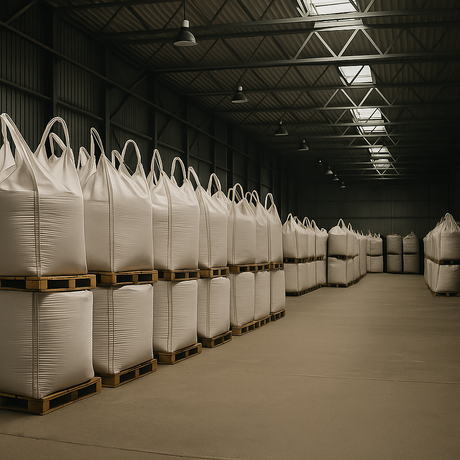
Sorbents Direct supplies bulk absorbents, activated carbon, mineral media, filtration materials, and spill-control products for industrial cleanup, environmental treatment, and remediation-related applications.
When requesting a recommendation, provide the contaminant, phase, concentration if known, treatment objective, site or process conditions, quantity required, and any applicable specifications or regulatory requirements.
Need Help Selecting Environmental Sorbent Media?
Tell us what you're trying to capture or remove, whether the application involves soil, water, vapor, or a free-liquid spill, and the quantity required. We'll help narrow relevant material families and available grades.


