-
 Request a Custom Quote
Don’t see what you need? We can source it. 

Ultra-Clear® Attapulgite Clarification Media for Fuels & Oils
From $17500Unit price /Unavailable-
Microsorb® Attapulgite Adsorbent & Filtration Media
From $20000Unit price /Unavailable 
Pure-Flo® B80 Natural Bleaching Adsorbent High-Performance Clay for Edible Oil Refining
From $8800Unit price /Unavailable-
Attasorb® 16/30 LVM - Granular Attapulgite Sorbent & Filter Media
From $17900Unit price /Unavailable 
Dicalite 4200 DE Filter Aid for General Liquid Clarification
From $99500Unit price /Unavailable-
Dicalite Speedplus A Fine DE Filter Aid for Liquid Clarification
From $99500Unit price /Unavailable -
Select 450 Selective Silicate Adsorbent for Oils & Biodiesel
1000.0 lb
$3,82900Unit price /Unavailable -
Select 350 Selective Silicate Adsorbent for Oils & Biodiesel
1000.0 lb
$3,74900Unit price /Unavailable -
Pure-Flo® Supreme 55 Bleaching Earth for Edible Oil Refining
1000.0 lb
$1,71900Unit price /Unavailable -


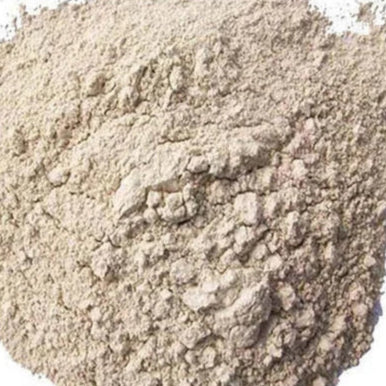


What Are Industrial Clay Adsorbents?
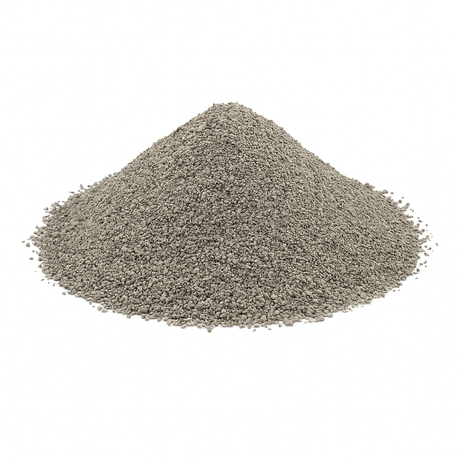
Industrial clay adsorbents are naturally occurring or processed mineral materials used in applications such as adsorption, absorption, clarification, filtration, carrier systems and formulation control. Common clay families include attapulgite, bentonite, montmorillonite and other specialty silicate minerals.
Clay performance depends on mineralogy, particle size, porosity, surface chemistry, activation method, moisture content, bulk density and the chemistry of the process in which the material is used. As a result, two products both described simply as “clay” may perform very differently.
Start With the Application
Jet Fuel & Petroleum Treatment
Activated attapulgite such as Ultra-Clear® can be used in compatible jet-fuel and petroleum purification systems where particle size, media retention, contact conditions and filtration all matter.
Explore Jet Fuel Treatment →Industrial Attapulgite Filtration
Compare coarse and fine attapulgite media for retained-bed, cartridge, contact-treatment and filtration applications.
Explore Attapulgite Filtration →Oil Purification & Refining
Compare attapulgite with bleaching earth, selective adsorbents and other purification media used across oil and petroleum processes.
Explore Oil Purification →Bleaching & Refining Clays
For edible oils and compatible refining processes, compare bleaching clays and selective purification adsorbents by acidity, filtration behavior and contaminant-removal objective.
Browse Bleaching Clays →Common Types of Industrial Clay
Attapulgite
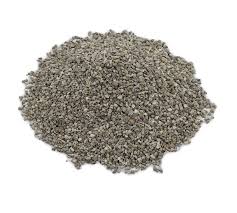
Attapulgite is a fibrous magnesium-aluminum silicate valued for adsorption, absorbency, filtration, carrier applications and rheological behavior. Different grades can be processed for uses ranging from granular absorbents to industrial liquid-treatment media.
For process-liquid applications, see our industrial attapulgite filtration and purification guide .
Bentonite
Bentonite is a clay material rich in smectite minerals and is commonly selected for swelling, binding, adsorption, sealing, suspension and process-treatment applications. Performance varies according to mineral composition and processing.
Montmorillonite
Montmorillonite is a major smectite clay mineral associated with high surface activity, ion-exchange behavior, swelling, adsorption and rheological modification.
Activated & Specialty Clays
Some clay grades are chemically, thermally or mechanically processed to modify surface activity, pore structure, acidity, particle size or filtration characteristics for specialized applications.
For oil-refining applications, see Bleaching Clays & Purification Adsorbents .
Featured Clay & Attapulgite Products
Ultra-Clear®
Activated attapulgite purification and filtration media available in multiple particle-size grades for compatible jet-fuel, petroleum and industrial liquid-treatment systems.
View Ultra-Clear® →Microsorb®
Processed attapulgite for industrial filtration, purification and process-liquid treatment in controlled particle-size grades.
View Microsorb® →Attasorb® 16/30 LVM
Thermally activated coarse granular attapulgite for compatible retained-bed, cartridge and industrial sorption applications.
View Attasorb® 16/30 LVM →Common Industrial Clay Applications
| Application | Clay Properties Commonly Evaluated | Typical Considerations |
|---|---|---|
| Liquid Purification | Surface activity, porosity, particle size and filtration behavior | Target impurity, dosage, contact time, feed chemistry and downstream filtration |
| Fuel & Petroleum Treatment | Attapulgite activity, particle size, strength and retention behavior | Contaminant profile, treatment configuration, flow, pressure drop and finished-product requirement |
| Industrial Absorbency | Absorption capacity, granule size, density and handling characteristics | Liquid type, spill conditions, dust, disposal and required capacity |
| Carrier & Substrate Use | Porosity, particle size, bulk density and liquid-holding capacity | Active ingredient, loading level, flowability and formulation compatibility |
| Filtration & Clarification | Particle-size distribution, permeability and surface chemistry | Flow rate, solids loading, cake formation, pressure drop and filtrate quality |
| Rheology & Formulation | Swelling, suspension behavior, thixotropy and dispersion | Liquid phase, shear conditions, pH, electrolyte content and formulation target |
Attapulgite vs. Bentonite
Attapulgite and bentonite are both industrial clay materials, but their structures and functional properties differ. Attapulgite has a fibrous mineral structure and is commonly used where adsorption, absorbency, filtration or carrier behavior is important. Bentonite is generally associated with smectite clay minerals and is often selected where swelling, binding, suspension, sealing or surface adsorption is required.
The preferred material depends on the application rather than the clay name alone. Particle size, activation, mineral composition, moisture, bulk density, surface chemistry and process conditions should all be considered when comparing grades.
Natural Clay vs. Activated Clay
Natural clay generally refers to mineral material that has been mined and physically processed through steps such as drying, crushing, milling, screening or classification.
Activated clay has undergone additional treatment intended to alter surface or adsorption properties. The specific activation method varies by product and application, so performance should be evaluated from the actual grade specification rather than assumed from the word “activated.”
For clay products specifically intended for oil decolorization and refining, see our Bleaching Clays & Purification Adsorbents collection.
Clay Particle Size Matters
Particle size can materially affect adsorption rate, filtration behavior, pressure drop, handling, dust generation, surface exposure and how easily the clay can be retained or removed from a process stream.
Fine materials generally provide greater relative surface exposure but can require tighter downstream filtration. Coarse granular grades can be more appropriate for retained-bed, cartridge, absorbency or carrier applications where physical media retention and flow behavior are important.
For attapulgite specifically, compare 16/30, 30/60 and 60/90 mesh treatment configurations .
How to Select an Industrial Clay Grade
1. Start With the Function
Determine whether the clay is being used primarily for adsorption, absorption, clarification, filtration, binding, carrier use, rheology or another process function.
2. Identify the Target Material
For purification applications, define the contaminant or process component being targeted. Different impurity classes and liquid systems can require very different clay properties.
3. Match Particle Size to the Process
Powder, fine granular and coarse granular materials behave differently during mixing, filtration, transport and contact with the process stream. Mesh size or particle-size distribution should be matched to the equipment and operating objective.
4. Review Physical & Chemical Properties
Relevant specifications may include moisture, bulk density, pH, particle-size distribution, surface area, mineral composition, oil absorption, adsorption performance and other grade-specific analytical properties.
5. Validate Under Process Conditions
Clay performance can change substantially with temperature, solvent or liquid chemistry, dosage, residence time, flow rate, pH and filtration conditions. Application testing is often the most reliable way to compare candidate grades.
Clay Treatment for Oil, Fuel & Liquid Purification
Clay is only one branch of industrial purification media. Depending on the process, the appropriate treatment material may be attapulgite, bleaching earth, activated carbon, silica, diatomaceous earth or another selective adsorbent or filter aid.
Jet Fuel Treatment
Learn how Ultra-Clear attapulgite fits into jet-fuel clarification and how particle size affects retained-bed and contact-treatment systems.
Jet Fuel Treatment Guide →Oil Purification & Refining
Compare clay and non-clay adsorbents across edible oil, petroleum and industrial oil purification processes.
Oil Purification Guide →Frequently Asked Questions About Industrial Clays
What are industrial clay adsorbents?
Industrial clay adsorbents are mineral materials used to capture or interact with liquids, contaminants, dissolved compounds or other process components through adsorption, absorption, ion exchange, filtration or related mechanisms.
Is attapulgite a clay?
Yes. Attapulgite is a naturally occurring clay mineral with a fibrous structure and useful adsorption, absorbency, carrier, filtration and rheological properties.
Is attapulgite used for jet fuel?
Selected activated attapulgite media are used in compatible jet-fuel and petroleum purification systems. Ultra-Clear has historical manufacturer positioning in jet-fuel clarification. See our jet fuel attapulgite treatment guide for process-specific guidance.
Is bentonite an adsorbent?
Bentonite can function as an adsorbent, although it is also widely valued for swelling, binding, suspension, sealing and ion-exchange behavior. Its suitability depends on the specific bentonite composition and application.
What is the difference between clay and bleaching earth?
Clay is the broader mineral-material category. Bleaching earth refers more specifically to clay-based treatment media used for purification, decolorization and contaminant reduction, particularly in oil-processing applications.
What is activated clay?
Activated clay is clay that has been processed to modify properties such as surface activity, acidity, pore structure, adsorption behavior or filtration performance. The treatment method and resulting properties vary by grade.
Are all clay adsorbents interchangeable?
No. Mineralogy, processing, particle size, activation, porosity, surface chemistry, moisture and bulk density can differ substantially between products, even within the same general clay family.
How do I compare Ultra-Clear and Microsorb?
Start with the actual grade, particle size, process configuration and treatment objective rather than the mineral family alone. Ultra-Clear and Microsorb are both attapulgite product families, but manufacturer positioning, particle-size options and application fit differ by grade. Use current technical documentation and representative process testing when comparing them.
Industrial Clay Supply & Technical Support
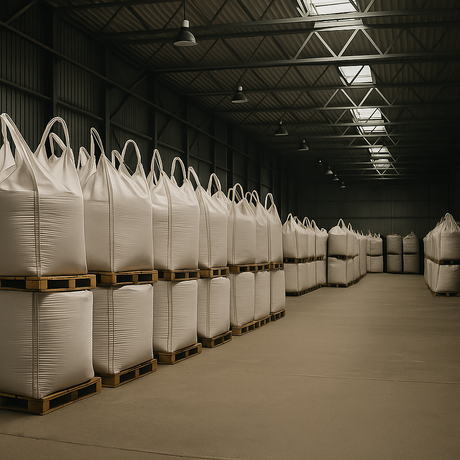
Sorbents Direct supplies attapulgite, bentonite, activated clay, bleaching media, specialty silicate adsorbents and related industrial mineral products in commercial and bulk formats.
If you're replacing an existing clay grade, send us the current product name, manufacturer, specification, particle size, application and required quantity. For new applications, the target function, process chemistry, operating conditions and handling requirements provide a useful starting point for narrowing suitable materials.
For broader commercial sourcing support, see Bulk Industrial Adsorbents & Filtration Media Supplier .
Need Help Choosing a Clay Material?
Tell us the application, material you're currently using if applicable, target performance, preferred particle size and required quantity. We'll help narrow the available clay and mineral sorbent options.


