
3A 8x12 Molecular Sieve Desiccant High-Performance Zeolite for Industrial Drying
3A 8x12 Molecular Sieve Desiccant High-Performance Zeolite for Industrial Drying - 100 kg (220 lb) Pallet (Vendor MOQ) is backordered and will ship as soon as it is back in stock.
Couldn't load pickup availability
(Vendor MOQ) Buy 2+ 100kg pallets to save 10%, or 6+ 100kg pallets to save 20% — auto-applied at checkout.
| Qty | Discount |
|---|---|
| Buy 2 | 10% off each |
| Buy 6 | 20% off each |
3A 8×12 Molecular Sieve Desiccant from Delta Adsorbents is a high-capacity synthetic zeolite desiccant engineered for selective moisture removal from gases, liquids, alcohols, and industrial process streams.
Its nominal 3-angstrom pore opening adsorbs water while excluding larger molecules, including many hydrocarbons and alcohols. This selectivity makes 3A molecular sieve especially useful where moisture must be removed without significant co-adsorption of the primary process material.
Molecular sieve type: 3A potassium-form Type A zeolite
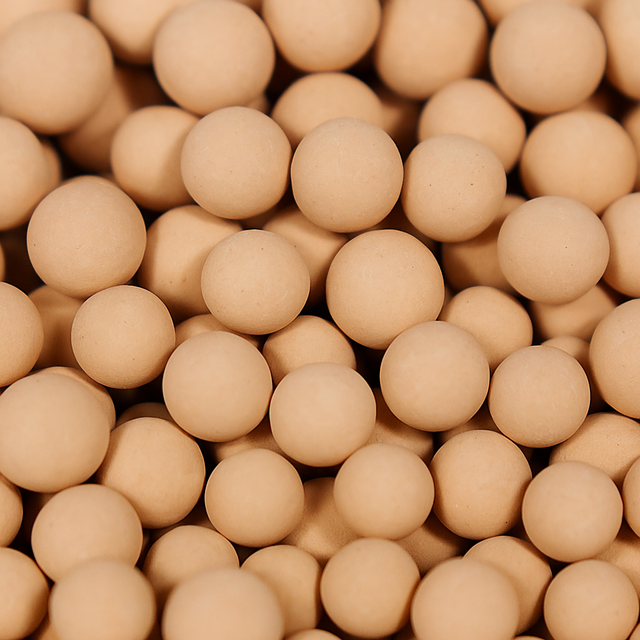
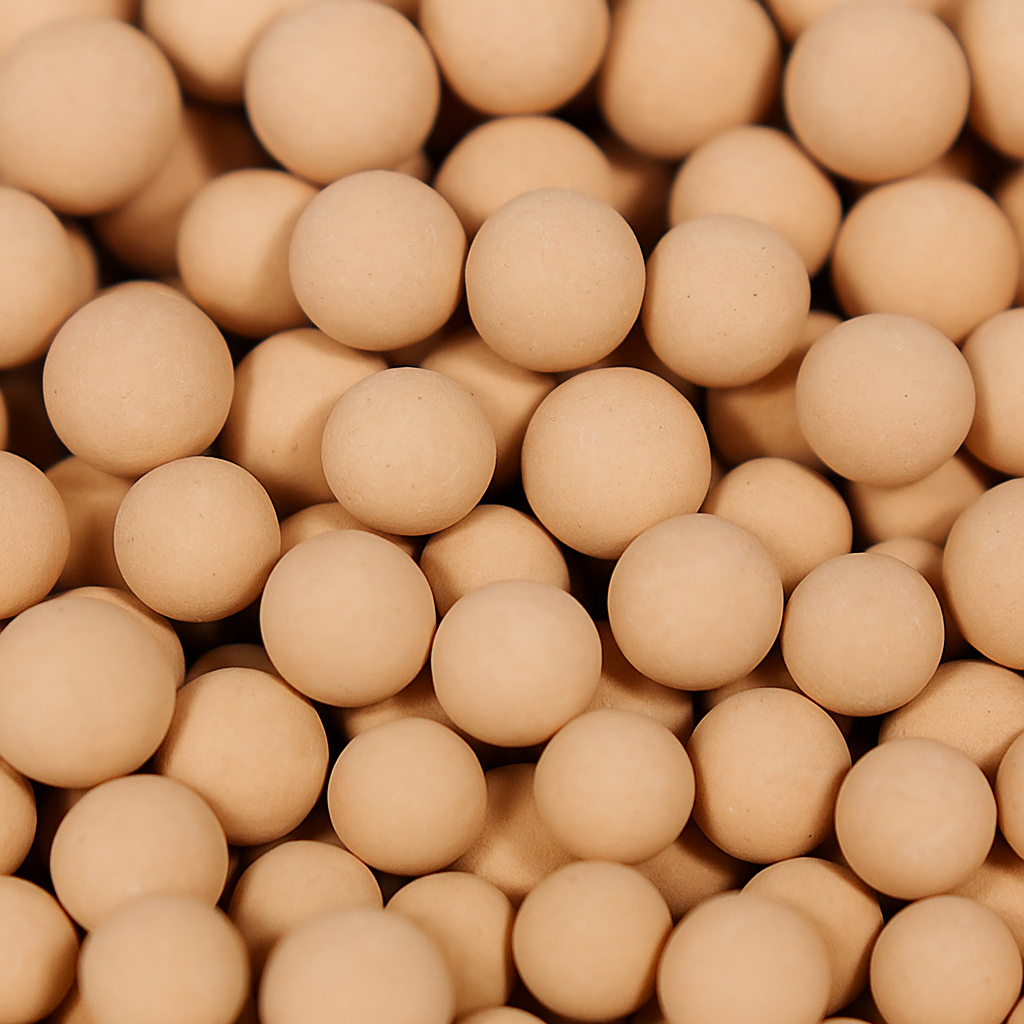
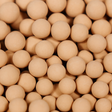
Particle size: 8×12 mesh spherical beads
Nominal pore opening: Approximately 3 Å
Minimum order: 100kg (approximately 220lb)
Bulk format: Supersacks available by quotation
Where it fits
- Ethanol dehydration: Selective removal of water from fuel-grade, industrial, and compatible solvent-grade ethanol streams.
- Alcohol drying: Dehydration of methanol and other highly polar alcohols while limiting adsorption of the alcohol itself.
- Natural-gas drying: Removal of water vapor from compatible gas streams before compression, transport, or low-temperature processing.
- Unsaturated-hydrocarbon drying: Moisture removal from ethylene, propylene, butadiene, and related process streams.
- Compressed-air drying: Deep moisture control in compatible air and pneumatic systems.
- Insulated-glass units: Static dehydration of air- or gas-filled glazing cavities to reduce internal condensation and fogging.
- Cryogenic processing: Water removal before low-temperature operation where ice or hydrate formation could disrupt the process.
- Closed-loop solvent systems: Moisture polishing where the primary solvent molecules are larger than the 3 Å pore opening.
Why choose 3A molecular sieve?
- Selective water adsorption: The approximately 3 Å pore opening admits water while excluding larger molecules.
- Well suited for alcohol dehydration: Removes water without strongly adsorbing ethanol or methanol.
- High equilibrium water capacity: Suitable for deep drying and low residual-moisture targets.
- Strong spherical beads: Designed to resist crushing, attrition, and excessive fines during handling and cyclic operation.
- Regenerable media: Adsorbed moisture can be removed through controlled thermal regeneration.
- Low-temperature performance: Molecular sieves retain strong water affinity under conditions where some other desiccants lose effectiveness.
- Industrial scalability: Suitable for pilot vessels, fixed beds, regenerative dryers, and production-scale adsorption systems.
Typical specifications
| Product type | 3A molecular sieve desiccant |
|---|---|
| Structure | Potassium form of Type A synthetic zeolite |
| Form | Spherical beads |
| Particle size | 8×12 mesh |
| Nominal pore opening | Approximately 3 Å |
| Equilibrium water capacity | ≥21 wt.% at 25°C and 50% relative humidity |
| Heat of adsorption | Approximately 1,800 BTU/lb of H₂O |
| Bulk density | ≥0.70 g/mL (≥44 lb/ft³) |
| Crush strength | ≥35 N (≥8 lb) |
| Size qualification | ≥97% |
| Package moisture | ≤1.5 wt.% as shipped |
| Supplier | Delta Adsorbents |
Values shown are typical manufacturer properties for the 3A 8×12 beaded grade. Final acceptance requirements should be confirmed using the current TDS and lot-specific COA.
Why the 3 Å pore size matters
| Molecule or material | General behavior with 3A sieve |
|---|---|
| Water | Readily adsorbed because the molecule is small enough to enter the pore structure. |
| Ethanol | Generally excluded from the internal pore structure, allowing selective water removal. |
| Methanol | Generally excluded while associated water is selectively adsorbed. |
| Unsaturated hydrocarbons | Generally excluded, supporting dehydration with limited product co-adsorption. |
| Larger organic molecules | Excluded from the nominal 3 Å pores. |
Actual separation behavior depends on molecular dimensions, temperature, pressure, concentration, competing compounds, and process conditions.
3A vs. 4A molecular sieve
| Selection factor | 3A molecular sieve | 4A molecular sieve |
|---|---|---|
| Nominal pore opening | Approximately 3 Å | Approximately 4 Å |
| Primary strength | Highly selective water removal while excluding alcohols and larger molecules | General-purpose moisture adsorption from gases and liquids |
| Alcohol dehydration | Commonly preferred | May adsorb compounds that 3A excludes |
| Typical use | Ethanol, methanol, unsaturated hydrocarbons, insulated glass, and deep gas drying | General gas drying, refrigerants, compressed air, and broader moisture-control duties |
Grade selection should be based on the molecules present in the process, not moisture capacity alone.
Packaging & availability
| Format | Availability and use |
|---|---|
| 100kg minimum order | Standard Sorbents Direct minimum for this listing; suitable for vessel fills, production trials, and recurring industrial requirements. |
| Manufacturer drums | 55lb, 220lb and 330lb drum configurations; exact fulfillment configuration is confirmed at quotation. |
| Supersack | Bulk quantities filled to order specification and quoted based on required weight and delivery lane. |
- Minimum order: 100kg (approximately 220lb).
- Lead time: Typically 1-2 weeks, subject to stock, packaging, and order volume.
- Freight: Parcel, pallet, or LTL service based on quantity and package configuration.
- Bulk requirements: Contact Sorbents Direct for supersack, recurring pallet, or truckload pricing.
System design considerations
Molecular-sieve performance depends on more than total media weight. Proper design should account for the incoming moisture load, target outlet specification, flow rate, pressure, temperature, bed dimensions, contact time, regeneration method, cycle time, and contaminant profile.
- Moisture load: Determines how rapidly the active bed approaches breakthrough.
- Operating temperature: Lower adsorption temperatures generally favor water uptake.
- Pressure: Influences gas density, superficial velocity, and adsorption behavior.
- Bed depth: Must provide sufficient mass-transfer-zone length and protection against early breakthrough.
- Velocity: Excessive velocity may increase pressure drop and reduce effective contact time.
- Regeneration: Heating, purge rate, pressure, cooling, and cycle sequencing affect restored capacity.
- Contaminants: Oils, heavy hydrocarbons, particulates, and reactive compounds may foul or damage the sieve.
Regeneration guidance
3A molecular sieve can be regenerated by removing adsorbed water through controlled heating and purge or pressure-swing operation. The correct regeneration procedure depends on the vessel, binder system, process gas, temperature limits, and desired cycle performance.
- Follow the dryer or vessel manufacturer’s regeneration procedure.
- Heat gradually to limit thermal stress and bead damage.
- Use a sufficiently dry purge stream where thermal regeneration is employed.
- Maintain adequate purge flow to carry desorbed moisture out of the bed.
- Cool the regenerated bed under dry conditions before returning it to adsorption service.
- Avoid exposing hot regenerated sieve directly to humid ambient air.
- Track outlet dew point or moisture breakthrough to evaluate cycle performance.
Regeneration note: Do not use a generic temperature setting without reviewing the current manufacturer guidance and your equipment limitations. Excessive heat, rapid temperature changes, contamination, or inadequate purge can shorten media life.
Handling & storage
- Store unopened molecular sieve in a clean, dry, protected location.
- Keep drums, bags, and supersacks tightly sealed until use.
- Reseal partially used containers immediately to prevent unintended moisture adsorption.
- Minimize exposure to humid air during transfer and vessel loading.
- Protect the media from liquid water, oil, dust, solvents, and incompatible contaminants.
- Use suitable ventilation and personal protective equipment as directed by the current SDS.
- Rotate inventory so older material is used first.
- Do not store supersacks outdoors or where ultraviolet light and weather can damage the packaging.
Important: Active molecular sieve releases heat when it adsorbs water. Avoid direct skin contact with wetted active media and follow the current SDS during handling, spill cleanup, unloading, and disposal.
Why buy from Sorbents Direct?
Sorbents Direct helps industrial buyers compare molecular-sieve type, bead size, pore opening, packaging, freight, and process requirements before ordering.
- Industrial package quantities for production trials, vessel fills, and recurring requirements.
- Live or quoted freight support based on package size and delivery requirements.
- Manufacturer documentation including SDS, TDS, and lot-specific COA when available.
- Grade-selection assistance when comparing 3A, 4A, 5A, and 13X molecular sieves.
- Application support based on moisture target, process chemistry, vessel design, and regeneration requirements.
- Transparent pricing and fast quotation support for industrial buyers.
Documentation & technical support
Available documentation includes the current manufacturer Technical Data Sheet and Safety Data Sheet. A lot-specific Certificate of Analysis may be requested for shipped material.
Visit our Documentation Center or contact Sorbents Direct to discuss your process stream, moisture target, flow rate, vessel dimensions, regeneration method, quantity, and documentation requirements.
Questions & answers
What is 3A molecular sieve?
3A molecular sieve is the potassium form of Type A synthetic zeolite. It has a nominal pore opening of approximately 3 angstroms and is used to selectively adsorb water while excluding larger molecules.
What does 8×12 mesh mean?
8×12 mesh describes the nominal bead-size range. The beads pass through an 8-mesh screen while being substantially retained by a 12-mesh screen, subject to the manufacturer’s size-qualification limits.
Why is 3A commonly used for ethanol dehydration?
The pores are large enough to adsorb water but small enough to exclude ethanol molecules, allowing selective water removal with limited ethanol co-adsorption.
Can 3A molecular sieve dry methanol?
Yes. It can remove water from methanol while generally excluding methanol molecules from the internal pore structure.
Can this molecular sieve be regenerated?
Yes. Adsorbed water can be removed using a properly designed thermal, purge, pressure-swing, or combined regeneration cycle. Follow the equipment and manufacturer requirements for the specific system.
What is the water capacity?
The typical manufacturer specification lists an equilibrium water capacity of at least 21 wt.% at 25°C and 50% relative humidity. Dynamic working capacity in an operating system will be lower and process dependent.
What is the difference between equilibrium and working capacity?
Equilibrium capacity is measured under defined laboratory conditions. Working capacity is the usable amount adsorbed during an actual operating cycle and depends on temperature, pressure, flow, regeneration, cycle time, and breakthrough limits.
Can it be used for natural-gas drying?
Yes. 3A molecular sieve may be used for natural-gas dehydration where selective water removal is required. System design should account for hydrocarbon contamination, pressure, temperature, velocity, and regeneration conditions.
Can it be used in insulated-glass units?
Yes. 3A molecular sieve is commonly used for static dehydration of air- or gas-filled insulated-glass cavities to reduce moisture-related fogging and condensation.
How should unused molecular sieve be stored?
Store it in tightly sealed packaging in a clean, dry location. Limit exposure to ambient air because active molecular sieve begins adsorbing moisture immediately.
What package sizes are available?
The Sorbents Direct minimum order is 100 kg. Delta also publishes 55 lb and 330 lb drum configurations, with supersacks filled to order specification. Final packaging is confirmed at quotation.
What is the typical lead time?
Typical lead time is approximately 1–2 weeks, subject to stock, quantity, packaging, and shipping destination.
What documentation is available?
The manufacturer SDS and technical specifications are available, and a lot-specific COA may be requested for shipped material.
Related products & resources
3A 8x12 Molecular Sieve Desiccant High-Performance Zeolite for Indu...